Reserve Officers Warn: Severe Manpower Shortage Hinders Mission Success
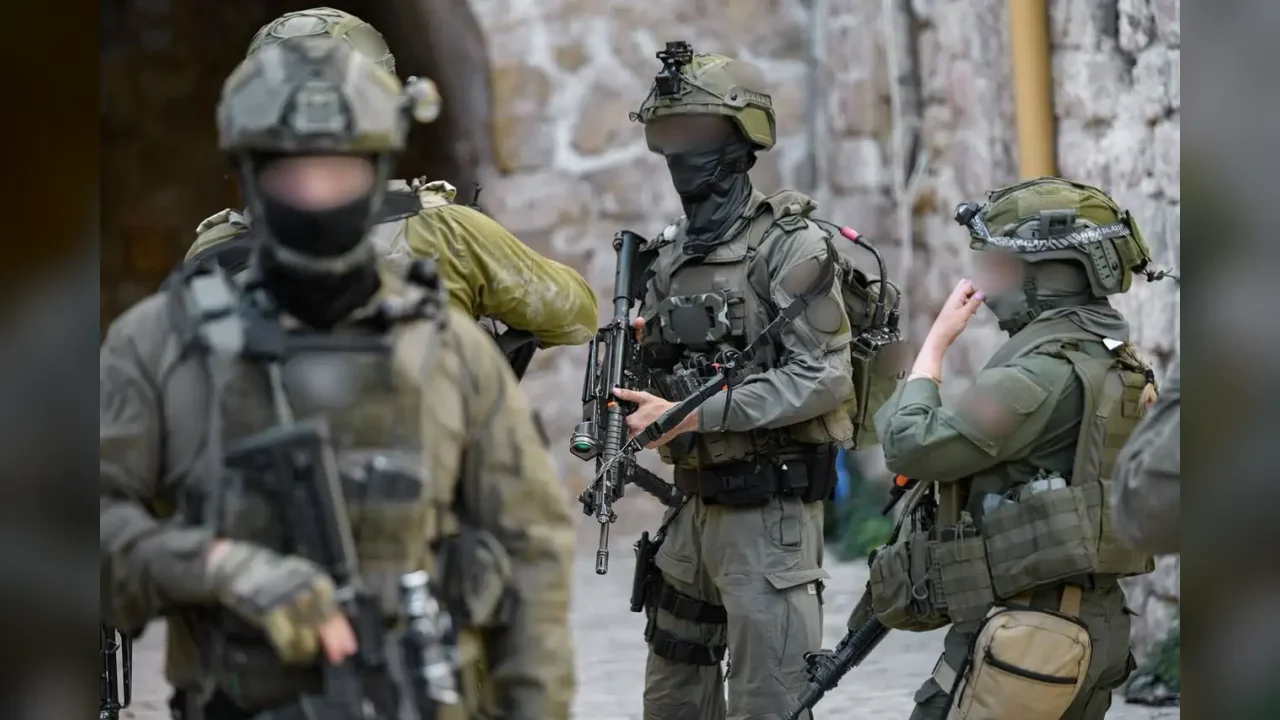
Reserve officers and soldiers serving in southern Lebanon report a severe manpower shortage that impairs their ability to carry out missions. They state that current staffing levels are insufficient for operational needs.
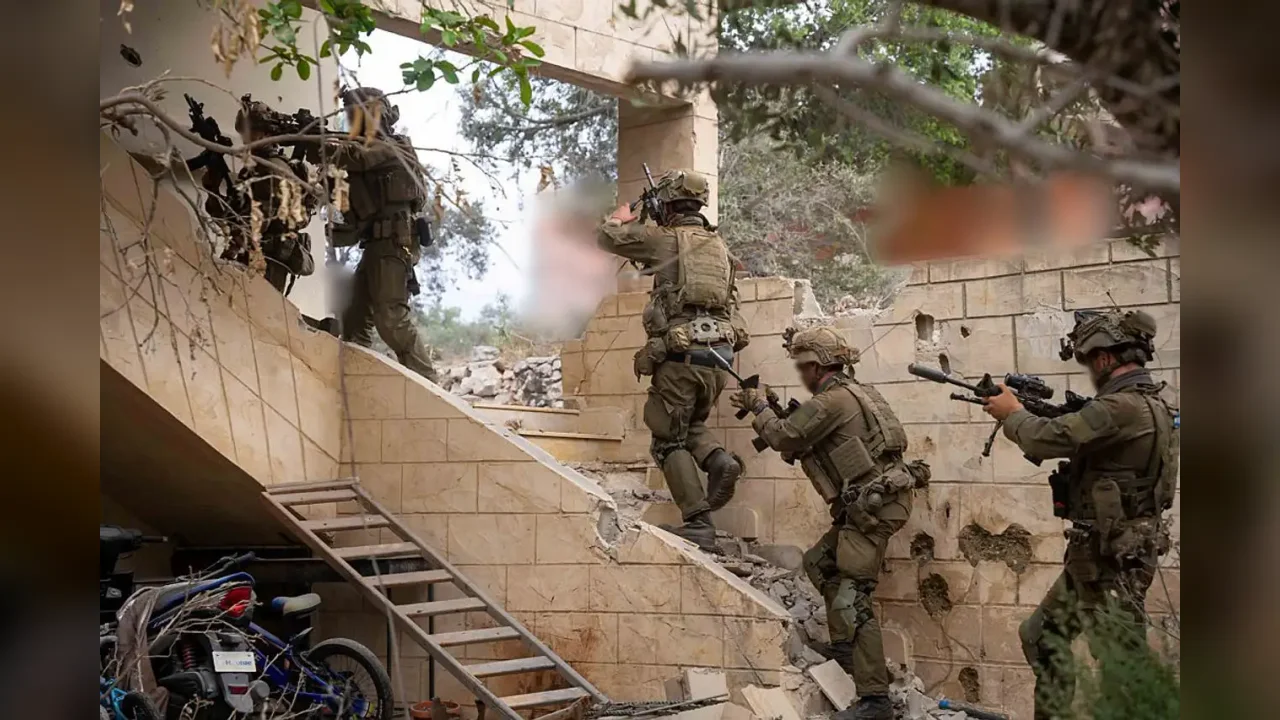
Reserve officers and soldiers serving in southern Lebanon, or who have served in the sector recently, report a severe shortage of manpower that impairs their ability to carry out their missions.
According to reserve commanders, official attendance rates for reservists are higher than reality, partly due to calculation methods: personnel officers check who cannot report for duty for a justified reason, and only those who did not notify in advance of their absence are included in the 100% quota. Actual attendance percentages are derived from this number.
A commander in a reserve unit currently stationed in the north says that while a company maneuver in the Gaza Strip at the start of the war numbered hundreds of fighters, today many would not show up for significant maneuvers. For routine "line" missions, the attendance rate is even lower, with some companies seeing only about 70 fighters or fewer.
Due to the heavy load and the fact that combat reservists are drafted repeatedly, the IDF allows a "week-on, week-off" format. This means that at any given moment, only half of the soldiers are actually in the sector, leaving companies with half their intended strength.
Last week, a reserve brigade operating in southern Lebanon requested to release some fighters for the weekend to ease their burden. Due to budgetary constraints requiring the IDF to cut reserve costs, the unit was initially not authorized to summon replacements for the weekend without ending the reserve orders of those on leave. After our inquiry to the IDF, the matter was resolved.
"The problem is the lack of a horizon," say reservists who have served hundreds of days. "It would be one thing if they told us they need us in this format for another year while they train more conscripts. But that is not the case. Students who started the year with three months of service, were home for six months, and were called up for another three months find their lives have stopped. The army imposes tasks but does not allocate enough reserve days to carry them out." They emphasize that this is a broad phenomenon affecting most of the reserve array.
The IDF Spokesperson's Unit stated: "The allocation of reserve quotas is determined in accordance with operational tasks and IDF needs. We emphasize that the brigade's quotas were adapted in advance to the operational task, so there is no damage to operational readiness. The IDF appreciates the contribution and high commitment of the reservists and their willingness to act for the security of the State of Israel."