Denmark Moves to Ban Prosecutors From Wearing Hijabs in Courtrooms
Denmark's justice ministry is directing prosecutors to ban hijabs and other religious symbols in courtrooms, extending existing judicial neutrality rules amid an ongoing debate.
The Danish government is expanding restrictions on religious headwear by moving to prohibit state prosecutors from wearing hijabs and other prominent religious or political symbols in courtrooms, according to local media reports. Minister of Justice Nicklas Bendtsen has instructed the Director of Public Prosecutions to draft new internal guidelines that will apply similar neutrality rules to prosecutors as those already enforced for judges in the Danish judicial system.
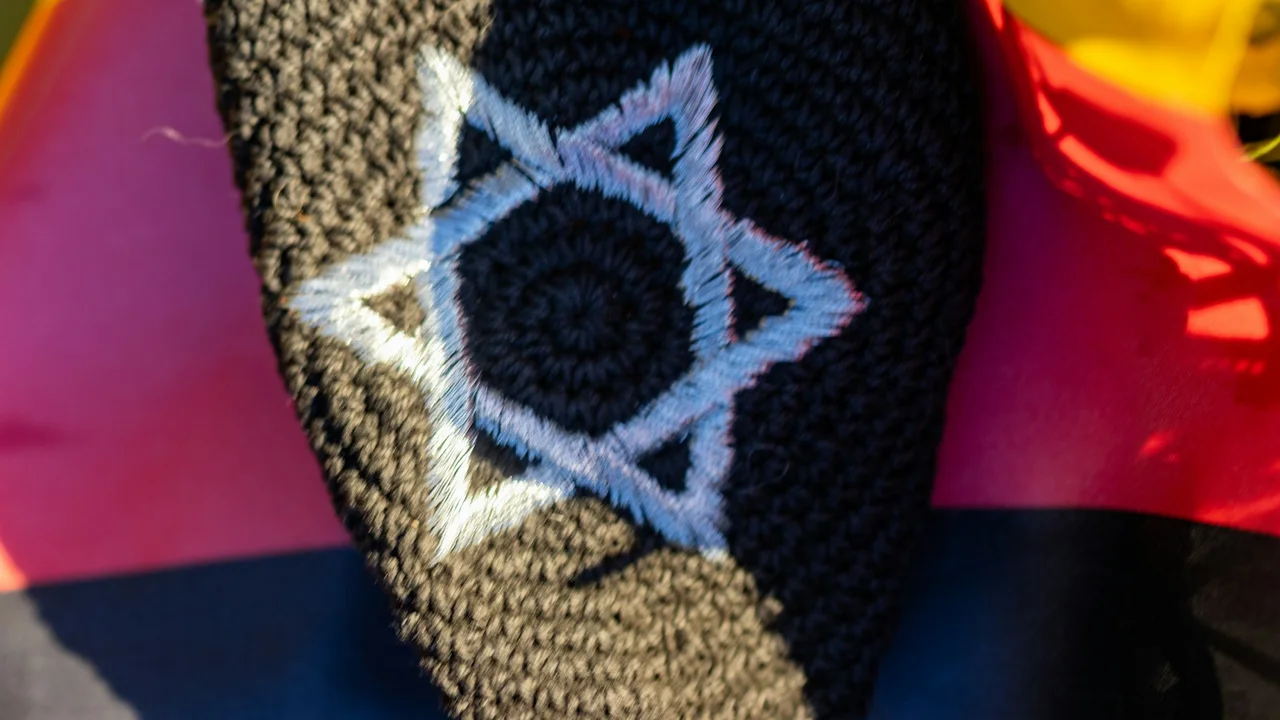
The initiative aims to ensure that state representatives in court maintain undisputed objectivity and impartiality. While focusing on the Islamic headscarf, the planned ban will also encompass Jewish and Christian symbols, including yarmulkes and crosses. These new restrictions are set to take effect promptly through internal prosecutorial directives rather than through formal legislative amendments. Judges and lay judges in Denmark have been prohibited from displaying religious and political symbols during legal proceedings since 2009.
Public Controversy and Personal Response
The decision follows a public storm that erupted last October after Zahra Sadiki, a prosecutor at the regional public prosecutor's office in the city of Viborg, published a social media post expressing pride in becoming Denmark's first prosecutor to wear a hijab. Sadiki fled Afghanistan with her family and arrived in Denmark in 1999 at the age of five. At the time of the initial controversy, the Danish Prosecutors Association defended her, stating that she operated within existing rules and performed her duties properly.
In an interview with the Danish public broadcaster DR, Sadiki criticized the government's decision, describing it as unfair and anti-feminist. She asserted that women's rights to choose their attire must be protected without restricting their employment opportunities. The Ministry of Justice has not yet clarified the disciplinary consequences for prosecutors who refuse to remove headwear, nor has it provided an exact implementation date.
Wider Political Debate on School Bans
This development unfolds amid a broader political discussion in Denmark regarding the potential prohibition of hijabs in schools. Prime Minister Mette Frederiksen recently expressed willingness to debate such a school ban, stating she has nothing positive to say about Islamic head coverings, though she voiced skepticism about practical enforcement. Meanwhile, the Social Socialist Party, a coalition partner, has announced its opposition to a school ban.
Denmark enacted a comprehensive ban on face-covering garments in public spaces, including the burqa and niqab, back in 2018. Unlike those garments, the traditional hijab leaves a woman's face fully visible, marking the current administrative shift as an extension of neutrality regulations to headwear that does not obscure facial features.