Decaffeinated Coffee Sells for Up to 93% More Than Regular Versions in Israel
A retail market survey reveals that decaffeinated coffee products in Israel cost up to 93% more than regular versions, driven largely by retail markups rather than production costs alone.
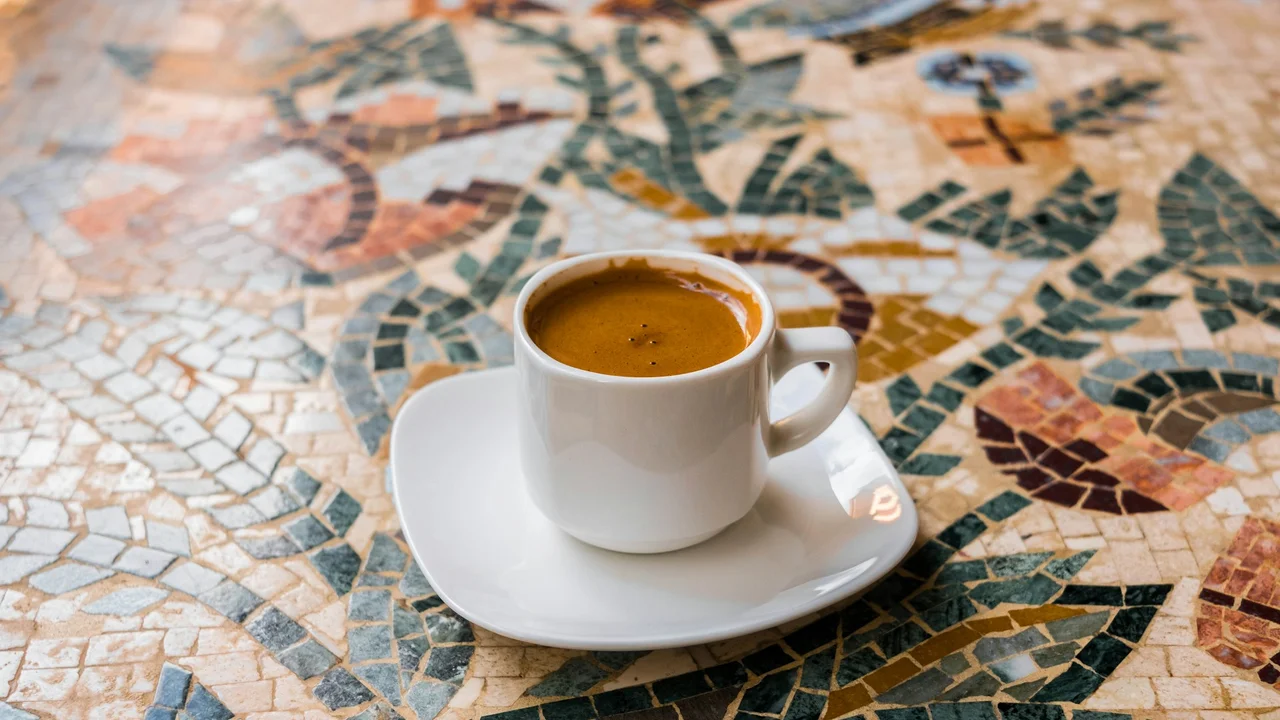
A recent market survey conducted by the Retail Research Institute reveals that Israeli consumers purchasing decaffeinated coffee face extreme price premiums, with some varieties costing up to 93% more than their regular counterparts. While manufacturing decaffeinated coffee involves industrial extraction processes using water, carbon dioxide, or dedicated solvents, the massive price discrepancies point heavily to retail markup policies rather than production costs alone.
Significant Price Disparities Across Retailers
Examining 34 items across 14 retail formats on November 20, 2026, researchers found that identical products command vastly different prices depending on the supermarket chain. For instance, a 200-gram jar of Elite instant coffee sold for 26.90 shekels at Shufersal Sheli, whereas the Hag decaffeinated equivalent from the same manufacturer reached 46.90 shekels—a 74.3% increase. At Tiv Taam, the price gap for the same comparison widened to 92.7%, with Hag priced at 49.90 shekels.
At the same time, major discount chains including Rami Levy, Yochananof, Victory, and Neto Hesachon offered the exact same Hag product for 36.90 shekels. This variation indicates that local shelf pricing and commercial agreements drive much of the premium. Similar trends emerged with Jacobs and Taster's Choice coffees, where smaller package sizes or higher-end retail environments further penalized consumers seeking caffeine-free alternatives.
The Turkish Coffee Market and Category Exceptions
Traditional Turkish coffee also showed steep markups. While standard 200-gram bags of Elite Turkish coffee generally cost between 18.90 and 20.90 shekels, the decaffeinated versions ranged from 24.90 to 32.90 shekels, representing an average markup of nearly 40% across seven retailers.
Interestingly, not all decaffeinated goods carry a price penalty. The survey found zero price premiums on decaffeinated coffee capsules from brands such as Elite, Starbucks, and Lavazza, nor on Carrefour and Shufersal private-label capsules. Furthermore, standard 1.5-liter Coca-Cola bottles and zero-caffeine diet alternatives showed no price differentiation across 11 retail chains. Elite Platinum decaffeinated coffee was also sold at identical prices to its regular counterpart in certain discount branches.
Consumer Takeaways and Recommendations
Because shoppers seeking decaffeinated coffee often have restricted brand choices or specific health-related needs, they function as a captive market vulnerable to inflated bills. Analysts advise consumers to utilize unit pricing per 100 grams, explore alternative retail chains where substantial savings are possible, and look for specific lines like Elite Platinum or compatible capsules that bypass the decaffeination tax entirely.