From Gaza to Lebanon: How the IDF Commanders' Course Has Been Conducted Since October 7
Three years of ongoing fighting, manpower shortages, and attrition: Senior officers at BISLACH, the brigade that eliminated Sinwar, explain how they are shaping the next generation of commanders while trainees spend a significant portion of their time fighting on all fronts. Lt. Col. Y.: "What they see in the field will give them a command foundation that no dry exercise could ever provide."

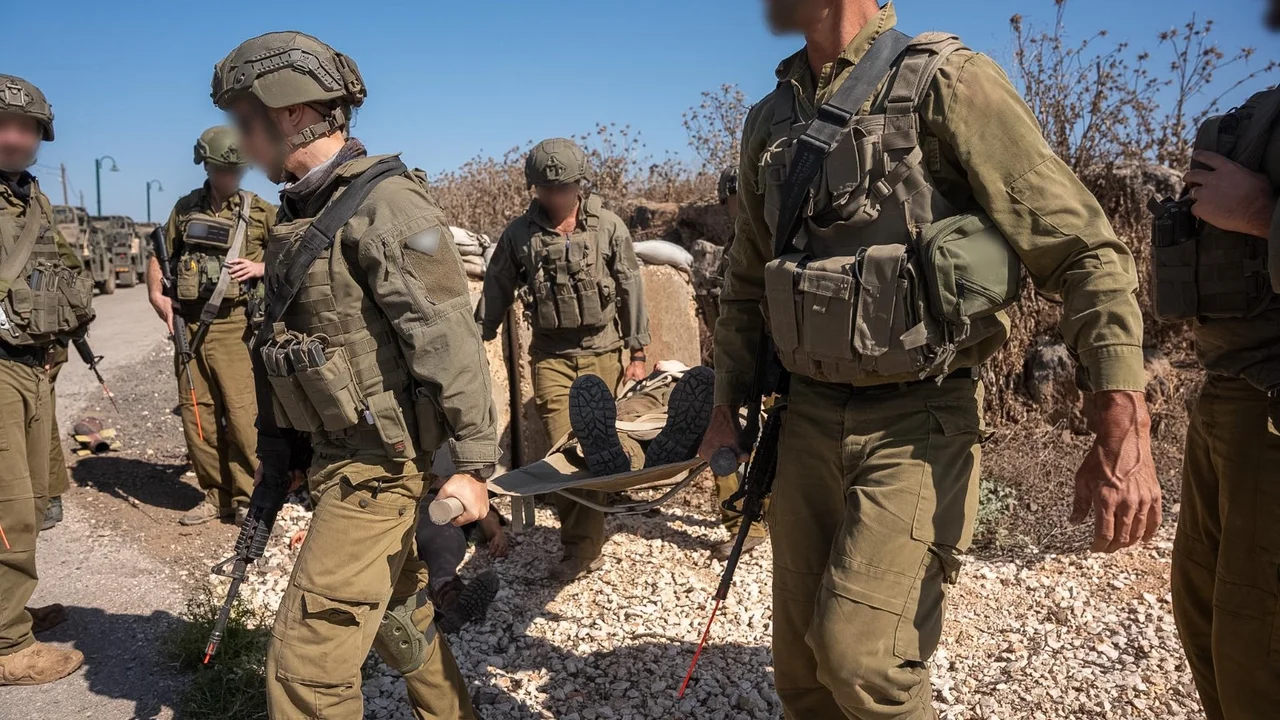
For decades, the BISLACH commanders' course was considered the sterile laboratory of the infantry: three months of combat techniques, topographic analysis, and controlled exercises in the field. However, the complex situation of a long war, a shortage of personnel, and exhausted reservists have shattered the old model. Today, the brigade that eliminated Hamas leader Yahya Sinwar in Rafah is forced to deal with the fact that sometimes up to a third of the training time is dedicated to fighting in the field.
The brigade is forced to maintain a complex and difficult command model — training the IDF's commanders of tomorrow while actively maneuvering on all fronts of the war, from the Gaza Strip to the front line in Lebanon and intensive arrests in Judea and Samaria.
The dilemma of the senior staff
In conversations with the brigade commanders, the dilemma that accompanies the senior command daily is revealed: how to maintain the foundations of command, values, and professionalism of a future squad leader when a large portion of the course is cut in favor of operational activity in the field?
"The debate over whether the activity contributes to or harms the training accompanied us all the way," admits Lt. Col. Y., commander of the 17th Battalion in the brigade, who is finishing his role these days after six training cycles under fire. According to him, it is a real dilemma. A squad commanders' course lasts about 12 weeks gross, and suddenly you cut a third of it for the sake of fighting. The moment the trainee enters combat, he is no longer a student; he is a fighter in every sense. But that is what reality and the manpower requirements demanded. Ultimately, we realized that what they see in the field — the explosive charge in Tulkarm or the encounter in the thicket — will give them a command foundation that no dry exercise could ever provide.
Lt. Col. Y., who grew up in the Givati Brigade and knew mainly the Gaza front, found himself leading his fighters in a complex maneuver in southern Lebanon, under the 91st Division. "Arriving in Lebanon was a dramatic change. The battalion fought in Gaza in all rounds, but here it is a completely different terrain pattern. You arrive with a lot of apprehension, but also with a sense of privilege. In my generation, they talked about Lebanon as a distant reference scenario, and suddenly these guys, just eight months after enlistment, find themselves inside." The transition between the Strip and Lebanon required a deep conceptual shift. In Gaza, you would enter between two buildings and you weren't seen 50 meters ahead. In Lebanon, you are suddenly exposed to a distant threat of seven kilometers. We worked with the trainees on the awareness that you are not just looking for the enemy beyond the wall, but looking far and thinking about where you are exposed.
A practical lesson
The dynamism of the battlefield is particularly prominent in dealing with new technologies. The brigade's operations officer describes how operational activity incorporates means that have only recently come into use, such as drones and precision munitions.
"Since the outbreak of Operation 'Lion's Roar', we demanded and took an active part in the fighting," says the operations officer. "We advanced the recruitment for the course to increase readiness and join the maneuver in the eastern sector of Lebanon. We destroyed many enemy infrastructures in the first line of villages, in places that had not been reached before. The trainees who return from there arrive with immense added value. The lesson is not theoretical; it is realistic. Most of the fighters who come to us for the course have not experienced combat before because they came straight from training. When they return to the big army as commanders, they know exactly how to lead fighters under fire."