From Damascus to Latakia: The man who built the Burj Khalifa is betting on Syria
Mohamed Alabbar, the developer behind the Burj Khalifa, is planning a $20 billion investment in two mega-projects in Syria. The initiative includes a new city near Damascus and a Mediterranean Riviera in Latakia.
Last June, at an investment conference in Rome, the man who built the world's tallest tower was asked a simple question: which city will surprise the world in the coming decade? He did not say Riyadh or Dubai. Mohamed Alabbar answered in one word: Damascus.
Alabbar is not just another real estate developer. He is the man behind the Burj Khalifa, the world's tallest tower, and the Dubai Mall, one of the largest shopping centers – though he made most of his fortune from Pizza Hut and KFC franchises in the Middle East. Now, at the age of 69, the Emirati businessman whose fortune is estimated at 3 billion dollars has found his next adventure in Syria.
Last May, Alabbar landed in Damascus at the head of an Emirati business delegation. He met with President Ahmad a-Shara and traveled to the coast of Latakia. What he saw there, he filmed on his phone and uploaded to the web: a pristine Mediterranean coastline that looks as if the war had passed it by. This footage was a promo for Alabbar's massive plan, recently revealed in an article published in Bloomberg: an investment of at least 20 billion dollars in two mega-projects in Syria.
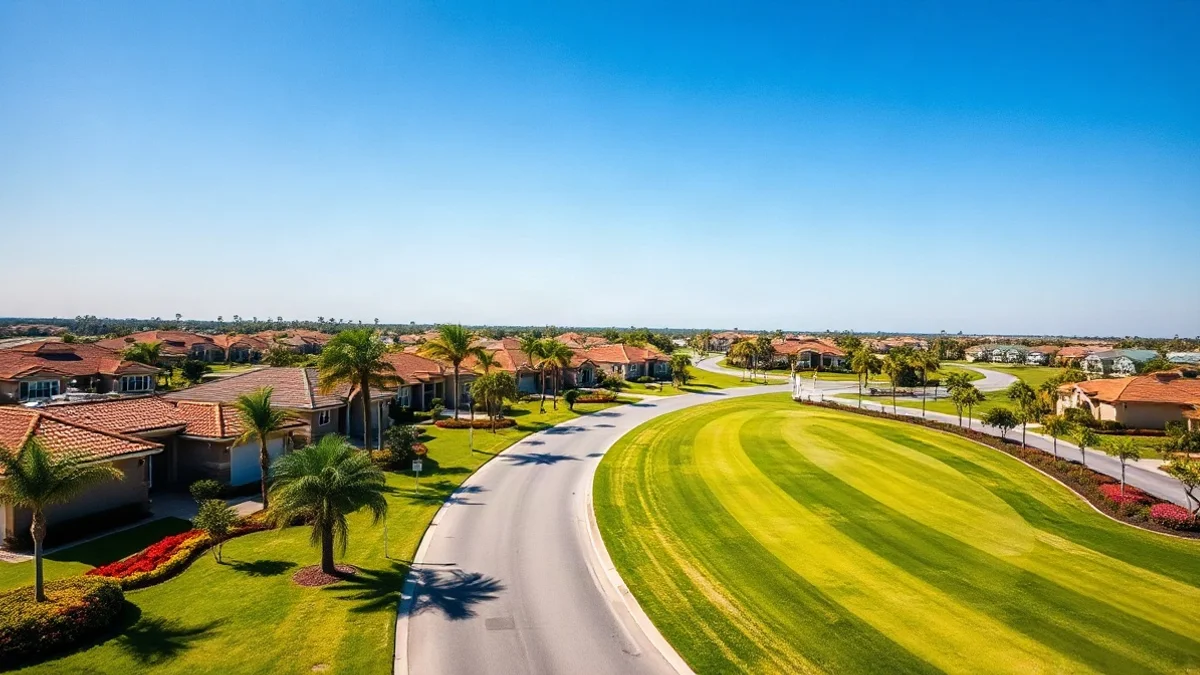
The first project is to be built on the outskirts of Damascus, in the Dummar neighborhood, and includes the construction of a new city on 33 million square meters. This project includes 73,000 apartments, 3,200 hotel rooms, schools, hospitals, and a road network of up to 320 kilometers, with more than 100,000 workers in the construction phase and a 20-year implementation horizon. The second project, in Latakia, includes the establishment of a Mediterranean Riviera on 15 million square meters, and within its framework, almost 30,000 homes, 2,800 hotel rooms, resorts, and marinas are to be built, with a revenue target of more than half a billion dollars a year from tourism.
Alabbar will lead the move through Eagle Hills, his private real estate company from Abu Dhabi. According to the plan, the land will come from the Syrian government, and Alabbar promises that control of the project will be in Syrian hands. The one pushing from above is the president himself, who calls Alabbar regularly to check on the progress.
But Alabbar is not alone. Since Donald Trump lifted sanctions on Syria in the summer of 2025, the dam has broken. First was Saudi Arabia, which signed agreements in Syria for more than 8 billion dollars. On the menu, among other things: the construction of two airports in Aleppo, the establishment of a joint Syrian-Saudi airline, and the deployment of thousands of kilometers of fiber optics. At the same time, Qatar entered with the American energy giant Chevron into the first offshore gas drilling project in Syria's history, and the UAE entered the ports of Tartus and Latakia and committed to huge investments there.
So the Arab world is storming Syria, and within it also Alabbar, who perhaps dreams of a Syrian Burj Khalifa. But in the ruined neighborhoods of Damascus, they are asking a different question: with 5.5 million Syrians still displaced within the country - for whom are they actually building? Will the luxury towers serve the Syrian public, or will they be built for billionaires from the Gulf?