Israeli Housing Market Slows as Apartment Prices Drop 1.8% Annually
Israeli housing market data shows a 1.8% annual price drop, while financing incentives and rising rents continue to shape economic forecasts for 2026.
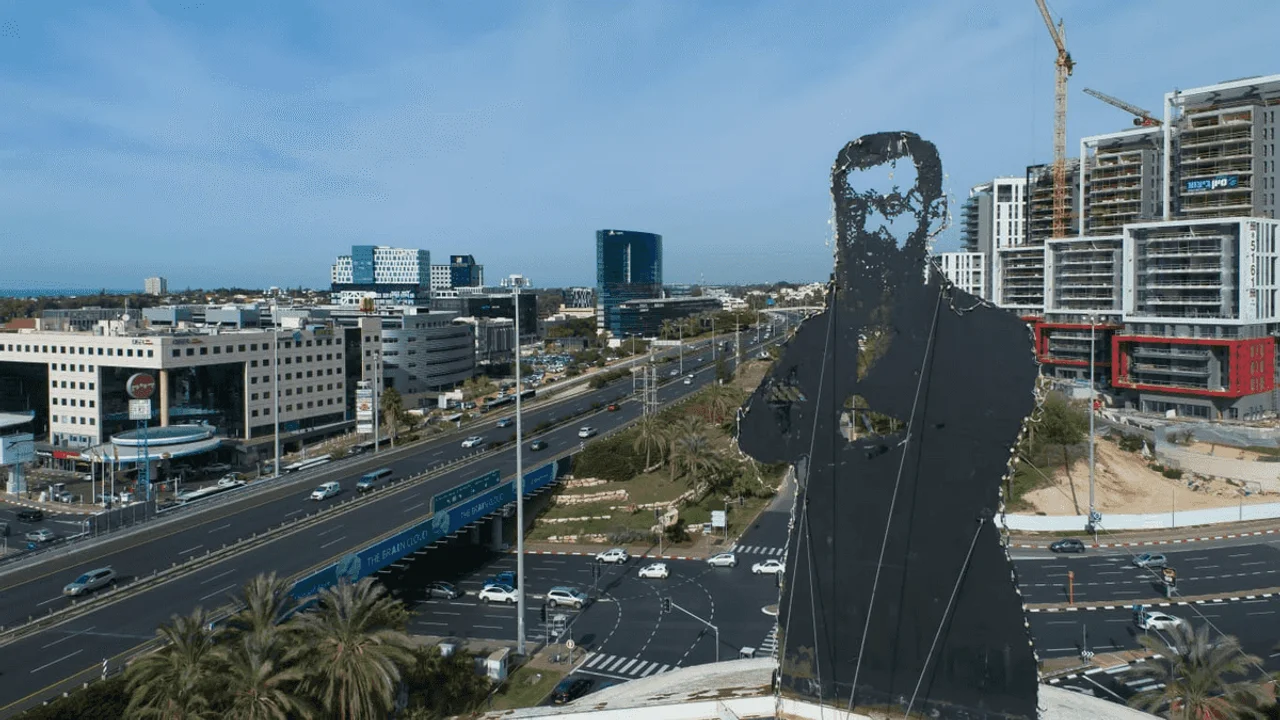
Data released by the Central Bureau of Statistics indicates a slowdown in the housing market. According to the figures, apartment prices have declined by 1.8% over the past year, yet several critical factors require closer examination, notably financing incentives which account for 30% of new apartment sales.
Market Dynamics and Financing Incentives
Economists estimate that actual apartment prices have decreased at a higher rate this year. Financing incentives peaked at roughly 30% of all new apartment sales, while new apartments represent about 45% of the overall market. In practice, approximately 13.5% of all apartments in the country, including second-hand properties, are sold utilizing financing incentives.
Forecasts for 2026 and 2027
Market experts suggest that 2026 will be a year of stagnation, with the market expected to resume modest growth in 2027 alongside anticipated interest rate cuts down to 2.75%.
"The housing market continues to stagnate, with apartment sales remaining low through August. Weakness in new apartment sales is particularly prominent, as roughly half were sold under government subsidy programs—an unusually high rate. Non-subsidized new apartment prices dropped by 0.8% in August, the sharpest decline since early 2023," notes Alex Zabezhinsky, Chief Economist at Meitav Investment House. He adds that many buyers are likely waiting for the election results.
Rental Pressures and Inflation Outlook
Jonathan Katz from Leader Capital Markets emphasizes that rental prices will play a decisive role in the near future and influence interest rate trajectories. Renewed lease contracts saw a 3.8% increase despite the 1.8% drop in purchase prices, driven partly by a growing number of foreign workers.
"We forecast inflation of 2.3% over the coming year, influenced by a 2.7% rise in food prices and a 2.8% increase in housing costs due to ongoing rental pressures," Katz explains, also citing wage increases in the business sector and fiscal adjustments.