The Hidden Cutting Board Mistake That Spreads Bacteria to Your Food
Discover the hidden kitchen habit of rinsing cutting boards between tasks that causes dangerous cross-contamination, and learn expert safety and cleaning rules.
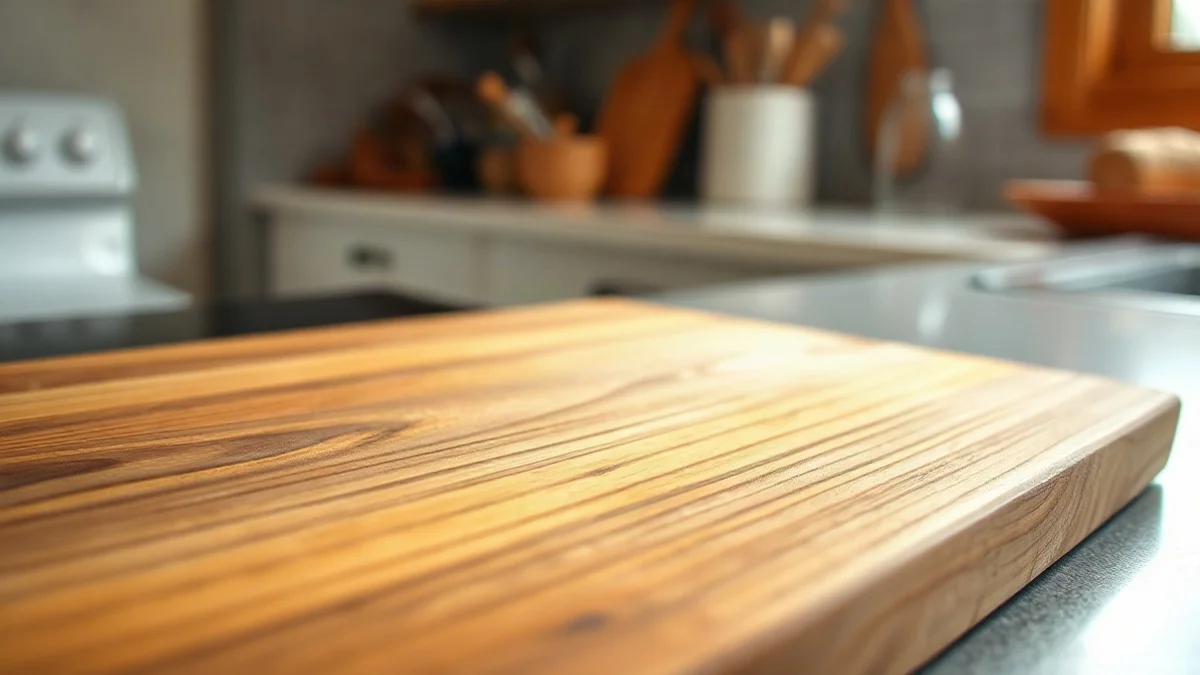
A simple routine in the kitchen can easily spark hidden dangers when preparing meals. Slicing raw chicken for dinner, rinsing the board under the tap, and immediately moving on to chop fresh salad ingredients seems harmless enough, yet this common habit risks transferring harmful bacteria directly to food consumed without cooking. Food safety authorities refer to this hazard as cross-contamination, identifying the humble cutting board as a primary station where it unfolds. Experts consistently recommend maintaining a strict separation between boards designated for raw meats and those reserved for ready-to-eat items.
A long-standing culinary debate focuses on materials, questioning whether wood or plastic offers superior safety. According to Donald Schaffner, a professor of food science at Rutgers University, the core issue centers less on the material itself and more on safe handling practices. Multiple scientific studies present a nuanced picture that challenges the assumption of plastic's automatic superiority. Certain experiments revealed that bacteria can penetrate deep into wooden surfaces rather than lingering exclusively on top, though their numbers subsequently declined over time. Conversely, worn plastic boards easily accumulate trapped food particles inside knife grooves that resist standard hand washing.
Cleaning and Maintenance Practices
Proper sanitation requires distinguishing between cleaning and disinfecting. While cleaning removes visible dirt and food residue, disinfecting actively reduces the count of remaining microorganisms. Thorough washing with warm water and dish soap, aggressively scrubbing the surface, edges, and crevices, serves as an indispensable first step. Following contact with raw meat, poultry, or fish, supplementary chemical disinfection suited to the specific board material provides added security. Regulatory guidelines advise utilizing diluted chlorine-based solutions designed specifically for food-contact surfaces, strictly observing recommended contact times and subsequent rinsing instructions outlined by agencies such as the US Department of Agriculture.
Mixing cleaning products, particularly combining bleach with vinegar, acids, or ammonia, creates dangerous chemical reactions and must be avoided. Hot tap water alone cannot substitute for genuine disinfection. When considering dishwashers, plastic and certain composite boards often withstand machine cycles, but manufacturers' instructions remain paramount. Nicole Papantoniu, a senior director at the Good Housekeeping Kitchen Appliances and Innovation Lab, advises hand washing wooden boards to prevent warping and cracking, while cautioning against prolonged soaking.
Prevention and Replacement
Adopting a two-board system drastically minimizes daily errors. Utilizing distinct colors or clear labels for raw meat versus produce and bread ensures all household members understand each board's intended purpose. When only a single board is available, regulatory guidelines advise preparing vegetables first, removing them entirely from the workspace, and proceeding to raw meat last. Thoroughly washing both the board and the knife between tasks remains mandatory, alongside maintaining strict hand hygiene to prevent transferring pathogens from raw poultry to refrigerator handles or spice shakers.
No universal expiration date exists for cutting boards, but physical degradation dictates replacement. Deep knife grooves, cracks, peeling, or persistent residues signal that a surface can no longer undergo effective cleaning. For wooden boards, food-grade mineral oil aids surface maintenance, though oiling constitutes routine care rather than disinfection. Eliminating odors with baking soda does not guarantee a pathogen-free surface, making structural integrity and proper drying the ultimate tests of kitchen safety.