Crisis of Command: The Givati Mutiny is Only the Tip of the Iceberg
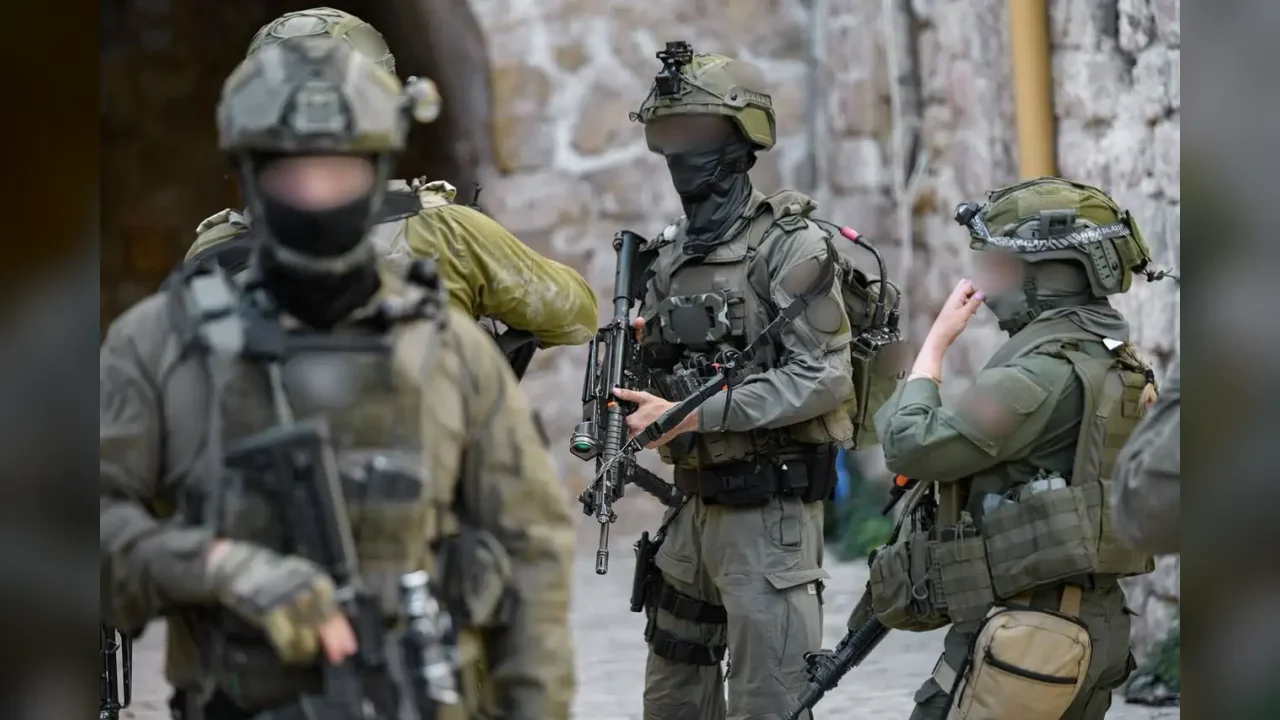
Soldier mutinies have occurred before, but this time the situation is different. Exhaustion from the longest war in the country's history, the loss of public support, and the aftermath of the October 7 failure have stripped the senior command of the most essential quality: the courage to command.
The mutiny that recently occurred in the Givati Brigade is not the first event of its kind in the history of the IDF. In recent decades, we have known quite a few examples of company-level mutinies: the abandonment of a post in Lebanon by a paratrooper company in the 90s, the departure from the Tze'elim base by Golani fighters in 2007, and collective refusal to obey orders while abandoning missions by fighters from the 7th Armored Brigade in 2012. The leadership challenge has always been complex, especially in veteran companies, where traditions, symbols, and internal norms often clash with official orders. And yet, it is impossible to dismiss the incident in Givati with a shrug and by saying, in the words of Ecclesiastes: "What has been is what will be, and what has been done is what will be done, and there is nothing new under the sun." Anyone who does so will be guilty of a narrow view and will miss the big and worrying picture: an army worn down to the bone in the longest war in its history.
Ignoring the time dimension
David Ben-Gurion ended the War of Independence with a critical insight for the national security concept: Israel must avoid long wars. The reasons for this are clear – loss of international legitimacy and erosion of resources, primarily manpower. However, after the October 7 massacre, the Prime Minister declared that there is no time limit for achieving the war's goals. Israel embarked on a prolonged campaign while completely ignoring that foundational element of the "time dimension." Almost three years have passed since October 7. The ground army, which was cut and neglected for three decades, was not expanded, and the immense burden placed on the combat units is taking its toll on the ground.
Already at the end of World War II, a shocking American study determined unequivocally: units that fight continuously for over 60 days suffer from severe disciplinary deterioration and become dangerous to themselves. The operational learning system in the IDF distributed this study to the senior command as early as December 2023, but the document caused an uproar, was shelved – and its warnings were realized time and again.
Loss of the courage to command
The mutiny in Givati is a painful symptom of an army suffering from an acute problem of low standards, loose discipline, and moral and ethical erosion. This erosion stems not only from the length of the war but from an even deeper problem: a crisis in command. After the guns fall silent, the IDF will need much more than foundational documents or cosmetic reforms; it will require a real revolution. This revolution must begin with a deep and genuine investigation, which has not yet been done, that will examine not only the tactics on the battlefield – but the core of the army's organizational culture, discipline, values, and standards. The classic book "Crisis in Command" by Richard Gabriel and Paul Savage, which describes the collapse of the American ground army in Vietnam, is more relevant than ever – even if our reasons are different. While American commanders in Vietnam were accused of commanding from the rear, IDF commanders lead the fighting with courage, from the front, and by setting a personal example. The problem of commanders in the IDF today is different: the loss of the courage to command. The courage to set boundaries and red lines is the most important commodity for a commander, besides personal example and professionalism. Since October 7, the senior command has struggled to do this, for three main reasons:
-
The shadow of the 7/10 failure. The pangs of conscience over the failure, backed by poisonous conspiracy theories and accusations of treason, paralyzed the senior command. Commanders feared restraining the junior level in the field, which in the name of "fighting" justified adopting unacceptable norms.
-
The equation of "loving the soldiers – hating the officers." This narrative, born in the Elor Azaria affair, has gained a dangerous hold. Senior commanders, led by the Chief of Staff, are attacked and humiliated daily in media channels and by politicians, without the political echelon backing them. This attack has a heavy intra-military price.
-
The inversion of operational experience. For the first time in the history of the IDF, the junior command level (brigade commanders and below) and the simple fighters have more combat experience today than most of the General Staff and senior command. In such a reality, it is difficult for the senior command to make tough disciplinary decisions against fighters who have experienced things they themselves have not experienced.
A revolution is needed, not new orders
At the top of the IDF, they are aware of the crisis. It was recently reported that the Chief of Staff ordered the formulation of a "foundations document" for renewing discipline and values. Unfortunately, like previous committees (such as the Moti Baruch committee established by the previous Chief of Staff), this document will not lead to the desired change. As long as the war continues, and as long as Israeli society and the IDF are in a state of living and active trauma – it is impossible to treat post-trauma. After the guns fall silent, the IDF will need much more than foundational documents or cosmetic reforms; it will require a real revolution. This revolution must begin with a deep and genuine investigation, which has not yet been done, that will examine not only the tactics on the battlefield – but the core of the army's organizational culture, discipline, values, and standards.