Fuel crisis in Iran: massive traffic jams, civilian distress and factory shutdowns
Numerous reports in Iran point to a severe fuel shortage. Opposition sources report a "red alert" over a critical deficit, which is sparking debate even at the top of the regime. Against the backdrop of threats from the US, there is panic among citizens and turmoil in shops. Industrial plants have announced a halt in operations.
Numerous reports reveal massive queues at gas stations across Iran. The country is suffering from a daily, unbridgeable fuel shortage due to the blockade and strikes on Russian infrastructure. Iran is nearing a critical depletion of its strategic reserves, while Tehran also reports shortages of basic food staples. Authorities are considering options to manage the situation amid fears of renewed protests.
The fuel crisis is worsening, bringing the country closer to a critical point, according to the opposition site Iran International. Simultaneously, reports indicate that basic staples like rice and oil are disappearing from shelves, and large industrial plants have announced the suspension of operations due to electricity shortages.
"Red Alert" for Strategic Reserves
Iran's strategic fuel reserves have reached a "red alert" level and could be depleted within weeks if the current consumption rate continues. These reserves are intended as a safety net for emergencies, but recent withdrawal rates have led professional sources to warn of severe consequences.
If the current rate of withdrawal persists, the remaining stocks will run out shortly, limiting the government's ability to handle production disruptions or fuel imports. This crisis is unfolding in parallel with the economic war declared on Iran by the Trump administration this week.
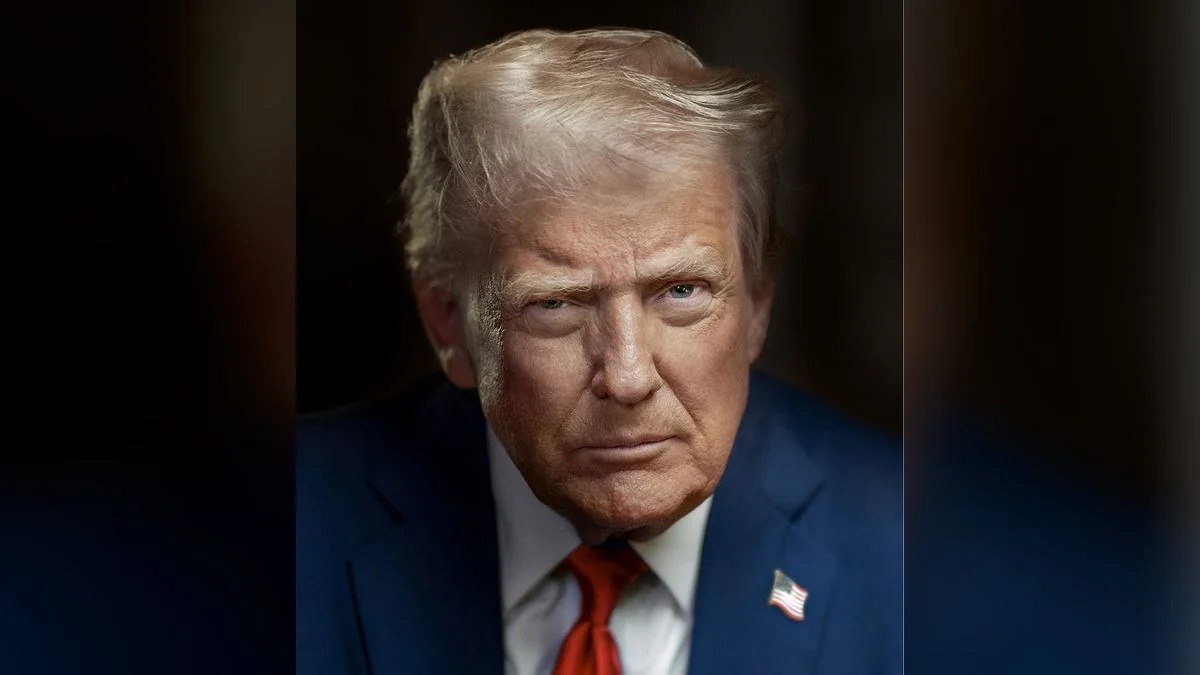
The increased use of emergency reserves has created a dispute within the Iranian regime between the government of President Masoud Pezeshkian and the Islamic Revolutionary Guard Corps (IRGC). IRGC officials oppose the unlimited use of reserves, while the government seeks to maintain gas station operations to mitigate public fear and price hikes.
Shortages and Transport Disruptions
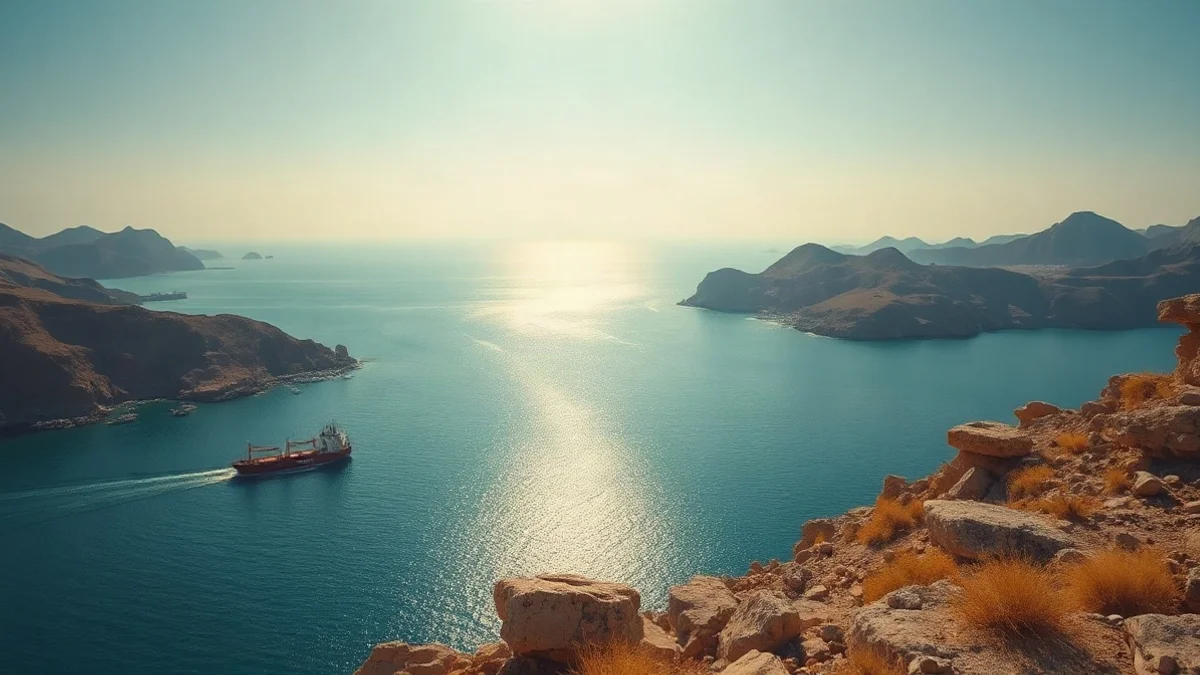
Iran produces about 120 million liters of gasoline daily but consumes approximately 135 million, leaving a daily gap of 15 million liters. Previously, imports covered half of this deficit, with a significant portion coming from Russia. However, the naval blockade, Ukrainian attacks on Russian refining infrastructure, and the closure of the Caspian Sea supply route have severely limited Iran's import capacity.
The gasoline shortage has reached Tehran, forcing some stations to close. Authorities have ordered fuel transfers from neighboring provinces to reopen some facilities, but dozens remain at risk. Viral videos document long queues and closed stations in Tehran, Alborz, South Khorasan, and Khorasan Razavi provinces.
The shortage is also impacting transport costs. Ride-hailing apps like Snapp and Tapsi have seen prices surge as the number of available drivers decreases. Residents report that gas stations are overcrowded and GPS systems are failing, leaving many without income or the ability to travel. Meanwhile, the rial has plummeted to a new low of over two million rials per US dollar.
Industrial Shutdowns and Social Unrest
Electricity shortages are also crippling Iranian industry. Two major petrochemical companies, Arvand Petrochemical and Ghadir Petrochemical, have suspended production in the Mahshahr area of Khuzestan province due to power and raw material shortages.
Economic pressure from the United States is being felt nationwide. Many Iranians have rushed to stockpile basic goods, leading to shortages in supermarkets. The difficult economic climate has reignited protest activity, with steel plant workers, oil and gas personnel, teachers, and retirees holding demonstrations. While these protests are not yet large-scale, they reflect growing frustration.
Parliament Speaker Qalibaf recently signaled that the regime is aware of the severity, stating that the country cannot progress if its people are struggling to survive. Over the weekend, President Masoud Pezeshkian suggested that the war must end, a remark that was promptly attacked by IRGC-affiliated sources as a sign of weakness.