The career military crisis: low salaries and high burnout
The IDF Chief of Staff launched a public attack against the Ministry of Finance, warning that security coffers are empty. Among career personnel, 73% report a negative impact on their family life, and nearly 19% have considered resigning. "They work around the clock, go home rarely, and are not compensated accordingly," said a senior officer in the General Staff.

As part of the multi-year plan that the IDF Chief of Staff, Lieutenant General Eyal Zamir, is shaping during the war, human resources have been defined as the highest priority. The IDF recognizes that after almost three years of fighting, burnout has become one of the army's main challenges. If in the past the focus was on tanks, aircraft, and technology, today the most critical resource is the person operating them.
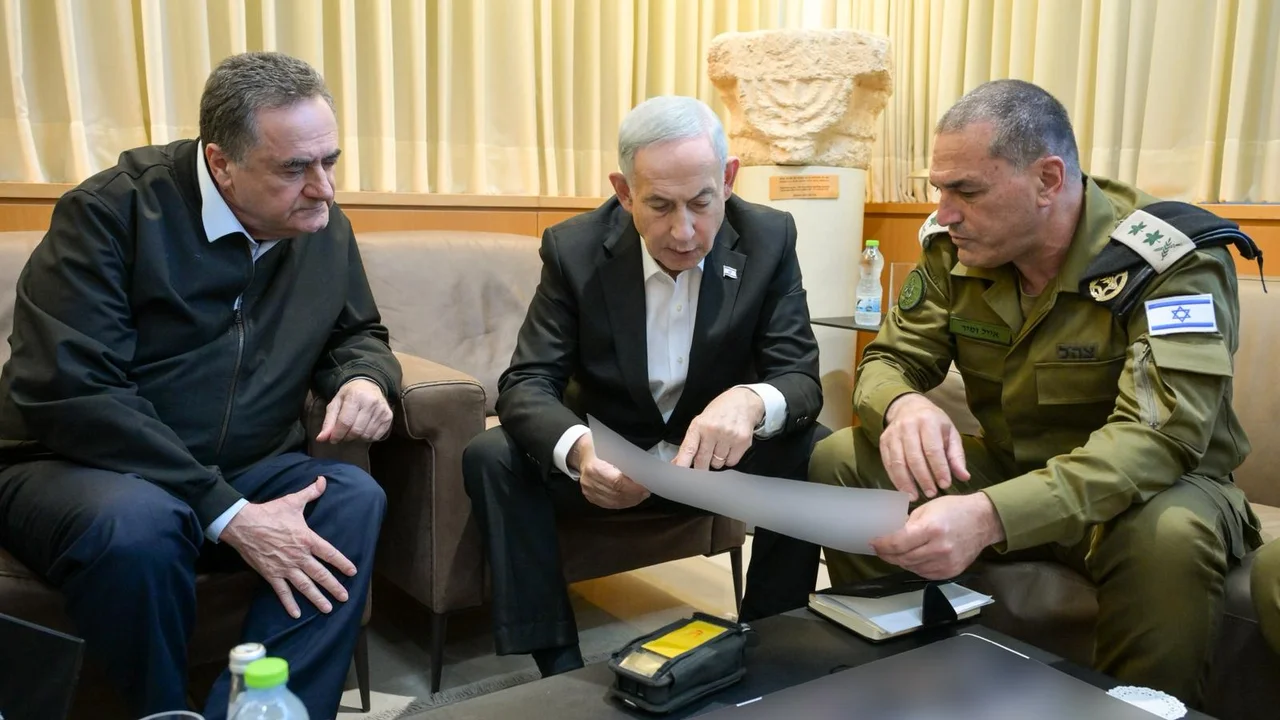
The Chief of Staff launched a public attack on Thursday against the Ministry of Finance. During a situation assessment, he stated: "Unfortunately, we are in a battle over the budget. At a time when the IDF is stretched on all fronts, we are dealing with an 'empty till.' This situation harms the IDF's readiness." The Treasury is not transferring funds at the required pace, raising questions about the impact on deterrence.
The Command Level Crisis
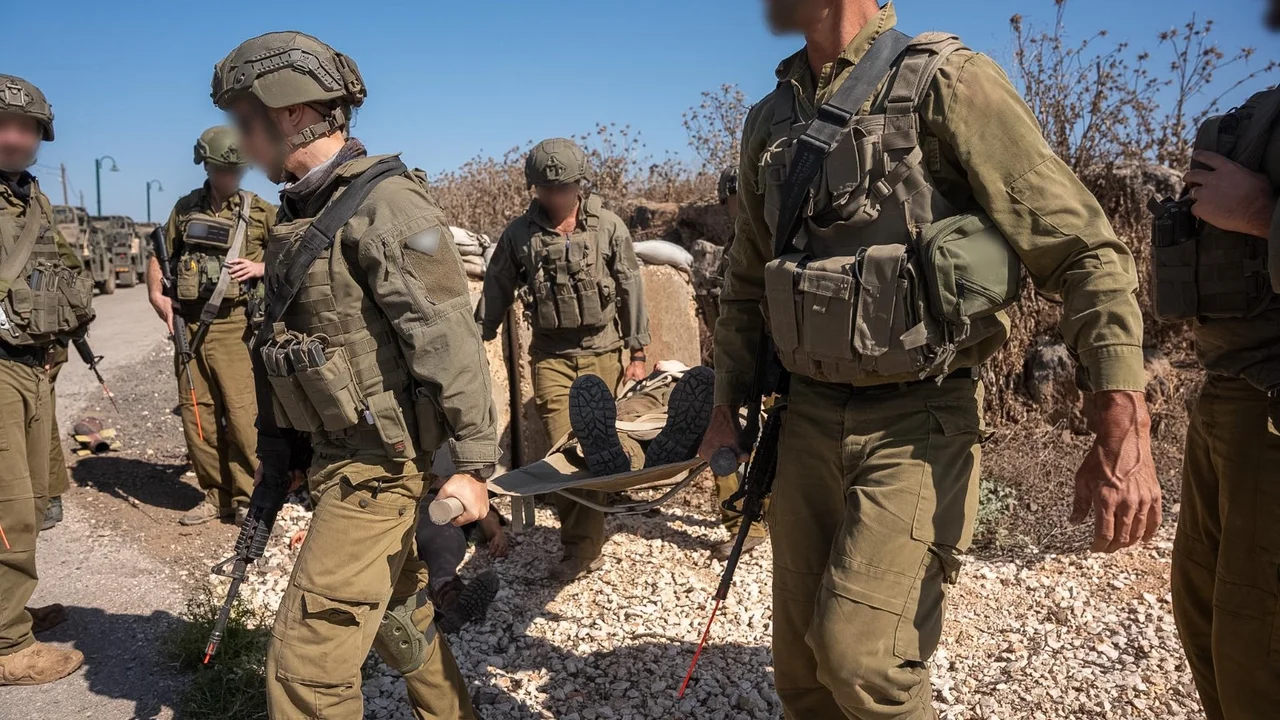
The situation for career personnel remains complex. Despite dedicated salary supplements, the gap between the demands placed on officers and their compensation remains large. Company and battalion commanders—the backbone of the IDF—have been on the front lines since October 7, making life-and-death decisions. Many have barely been home for months, a level of continuous load unseen since the state's establishment.
As of 2026, after salary increases, a combat company commander earns about 18,700 shekels gross per month, a deputy battalion commander about 30,000, and a battalion commander about 34,300. Given the responsibility for hundreds of fighters and complex operational management, these figures do not reflect the actual risks and burdens involved.
Gap with the Market and Reserves
The burden also falls on staff, technological, and support officers. Young cyber and intelligence officers (e.g., in Unit 8200) earn between 9,000 and 11,400 shekels, significantly less than private sector offers. While tech roles provide civilian career paths, logistics and HR officers face similar burnout without the same post-service advantages. This market failure has become an IDF problem as the private sector aggressively recruits military talent.
Furthermore, there is a gap compared to the reserve system. The state has expanded benefits for reservists, but career field commanders, who bear the burden throughout the war, have largely remained on their standard monthly salaries. Internal IDF data confirms the depth of the problem: 73% of career personnel report severe impairment in their family life, and 18.5% have recently considered resigning.
"Career personnel are burned out. We must both reduce the load and continue to raise salaries. This is no longer just an IDF problem, but a problem for the entire State of Israel," a senior General Staff officer noted. The challenge is not just about purchasing equipment, but about retaining the people who command it. The question is no longer just what a commander costs, but what it costs the country to lose them.