High Court Orders State to Return Displaced Palestinians to Jalud Within 14 Days
The High Court of Justice criticized the IDF and police over nationalistic violence against Palestinians in Jalud. The state was ordered to return displaced residents within 14 days and report on criminal investigations.
Supreme Court Issues Harsh Criticism
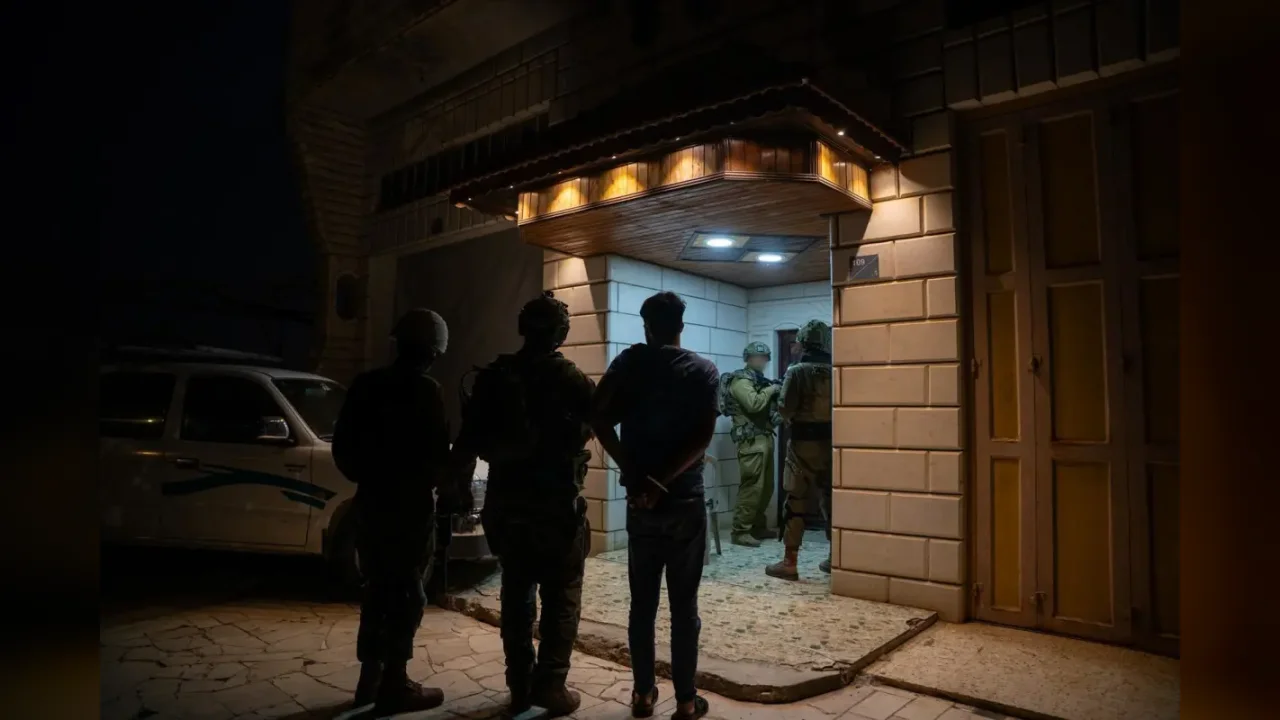
The High Court of Justice (Bagatz) issued severe criticism on Sunday regarding the conduct of the IDF and the Israel Police in handling nationalistic violence by Israeli citizens against Palestinians in the village of Jalud, located in the Nablus (Shechem) district. The court ordered the state to coordinate the return of displaced residents to their homes within 14 days. Concurrently, the court issued an order nisi, demanding the state provide explanations regarding law enforcement actions against the Israelis involved.
Acting Supreme Court President Yitzhak Amit, alongside Justices Alex Stein and Yechiel Kasher, wrote in their decision:
"The picture that emerges is very grim. Questions are plentiful; appropriate answers, far less so. Given the multiplicity of incidents, their prolonged nature, and the insufficient response from state authorities, the conduct of the respondents in this proceeding raises real difficulties."
The petition was filed by Mahmoud Tubasi Abad, Wael Mahmoud Tubasi, and Tawfiq Shuwaiki, residents of Jalud in the Nablus district, near the village of Qusra. The court noted that the petition addresses the severe phenomenon of nationalistic crime by Israeli citizens against Palestinian residents in Judea and Samaria, including home invasions, denial of access, and property damage.
Home Invasions and Lack of Enforcement
According to the facts presented in the petition, which the state did not dispute, the incidents began last April with the establishment of an unauthorized outpost in Area B. In the following months, the petitioners faced stone-throwing, damage to infrastructure and agriculture, and blocked access routes to their homes. In July, two petitioners were forced to flee after rioters broke into their homes and caused damage. IDF forces eventually removed the Israelis using a seizure order, but the perpetrators simply moved into other homes belonging to the petitioners.
During the hearing, a video was presented showing IDF soldiers playing soccer with the Israelis in the courtyard of one of the homes. A brigade operations officer explained that the soldiers were unfamiliar with procedures, and the court noted that the involved soldiers have since been suspended from combat duties.
While the state detailed several measures taken to combat nationalistic crime—including deploying dedicated Border Police (Magav) units, refining operational guidelines, demolishing structures at the outpost, and establishing a joint military-police task force—the justices questioned the gap between declared policies and actual criminal enforcement on the ground. The court demanded to know why vehicles documented at the scenes were not seized and why no criminal actions were taken against individuals whose identities had been provided to the police.
Strategic and Ethical Implications
The justices rejected the state's arguments as insufficient, citing a landmark ruling by former Chief Justice Dorit Beinisch from two decades ago, which established that a person must not be prevented from accessing their home as a means of protecting them from attacks. The court ruled that the petitioners' prolonged displacement due to lack of effective security response is unacceptable.
Beyond the specific case in Jalud, the court addressed the broader strategic implications of nationalistic crime against Palestinians in Judea and Samaria. The justices ruled that such actions harm daily security, divert IDF reserve forces from other missions, and damage Israel's international standing. Furthermore, the court emphasized that this phenomenon contradicts the core values of Israel as a Jewish and democratic state. The state must now coordinate the residents' return, secure the rehabilitation of their homes, and submit detailed updates on arrests and prosecutions.