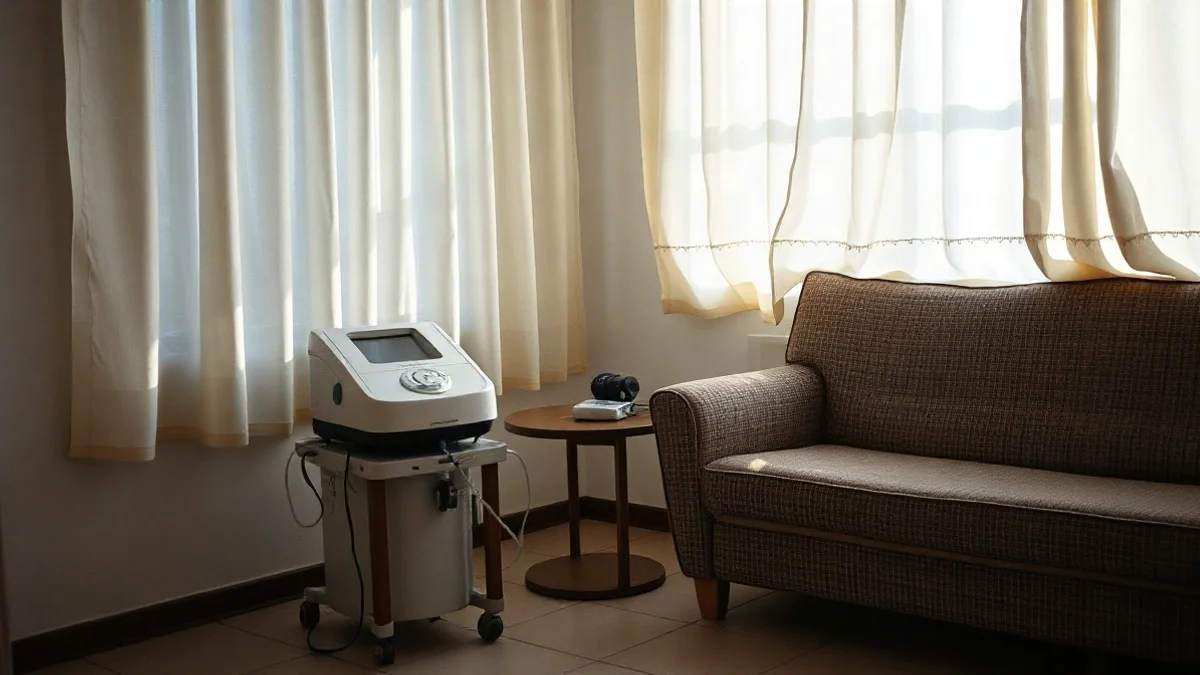
Compassion in Medical Care Lowers Blood Pressure and Accelerates Healing
Emerging clinical research in compassionomics demonstrates that medical compassion actively lowers stress hormones, accelerates healing, and significantly reduces opioid consumption.
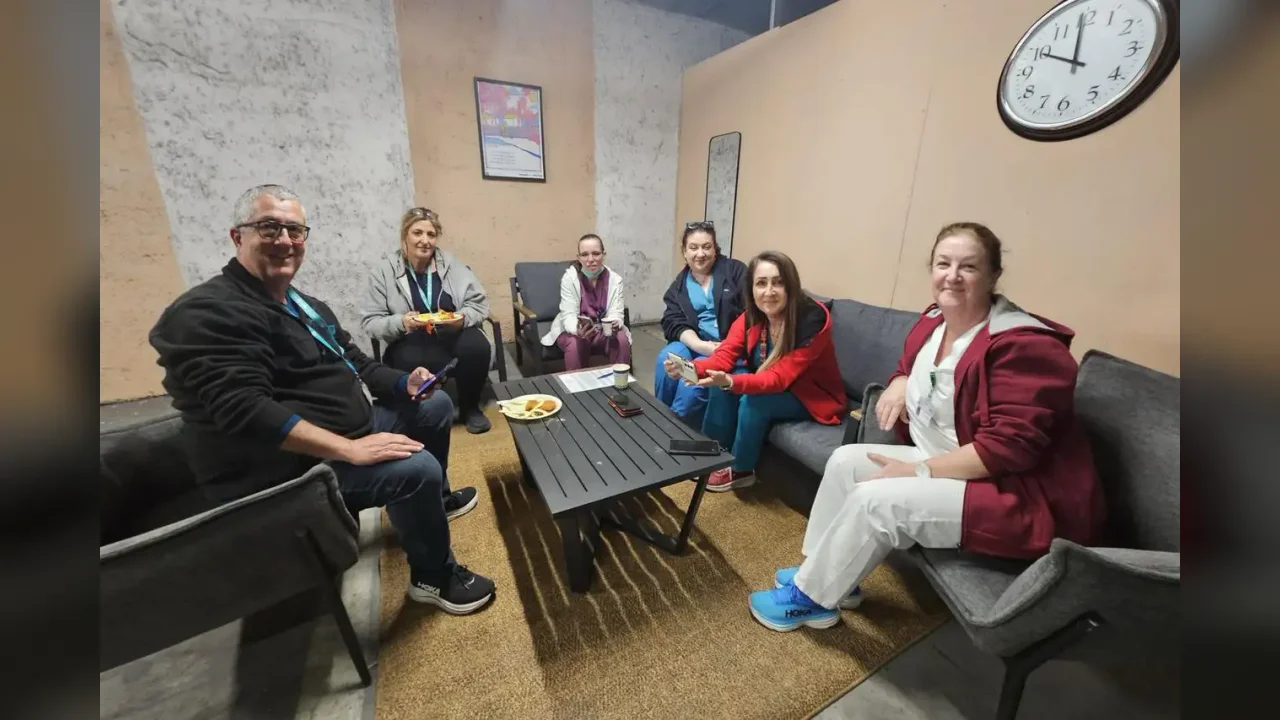
As artificial intelligence advances and AI agents simulate endless patience and empathy, philosophers and tech researchers debate whether humanity is losing its core emotional connections. However, in the realm of healthcare and geriatric care, compassion is not a philosophical abstraction but a vital clinical reality. Emerging medical research under the banner of compassionomics proves through rigorous clinical trials that empathy triggers direct biological mechanisms within the human body.
The Biological Mechanisms of Medical Compassion
Decades ago, medical systems often treated compassion as a pleasant service bonus alongside pharmacological and surgical interventions. Today, clinical data completely reverses this perspective. Controlled experiments show that a compassionate interaction lasting just 40 seconds can significantly lower a patient's anxiety and blood pressure by reducing cortisol levels and stimulating the parasympathetic nervous system. Furthermore, clinical studies on tissue healing indicate that unsupportive, high-stress environments slow down wound recovery by 40% compared to supportive, empathetic settings.
In surgical procedures, empathetic communication leads to up to a 50% reduction in the consumption of strong opioid painkillers and earlier hospital discharges. Large-scale studies on chronic patients reveal even broader clinical impacts: those receiving compassionate care achieved an 80% higher clinical index balance, experienced 41% fewer severe medical complications, and demonstrated a 33% higher adherence to medications and physical therapy protocols.
The Lethal Impact of Loneliness in Seniors
The demand for medical compassion becomes acutely critical against the backdrop of the global loneliness epidemic. World Health Organization data indicates that social isolation and abandonment among the elderly elevate the risk of developing dementia by 50% and stroke by 32%—a health hazard equivalent to smoking 15 cigarettes a day. When an older adult is hospitalized or undergoing rehabilitation, loneliness can easily translate into a severe medical sentence. While advanced tools and AI agents can monitor heart rates and remind patients to take medication, no automated device can replace the fundamental human reassurance that someone genuinely acknowledges their pain and extends a caring hand.
The solution does not lie in rejecting technology. On the contrary, artificial intelligence can streamline bureaucracy, analyze imaging with extraordinary precision, and predict medical deterioration in advance. Nevertheless, compassion in geriatric care is never an emotional luxury; it serves as a clinical working tool and an indispensable baseline for healing. As healthcare navigates the technological era, the most effective therapeutic asset—the human heart—must remain firmly inside the treatment room, notes the director of the Beit Blev geriatric-rehabilitation medical center in Rishon LeZion.