How to Rehabilitate the North? Starting with People
Rehabilitating Israel's North requires more than just infrastructure repairs; it demands investment in human capital. The 'Zafon Tech' project offers training in high-demand fields to strengthen the region.
In collaboration with Mifal HaPayis.
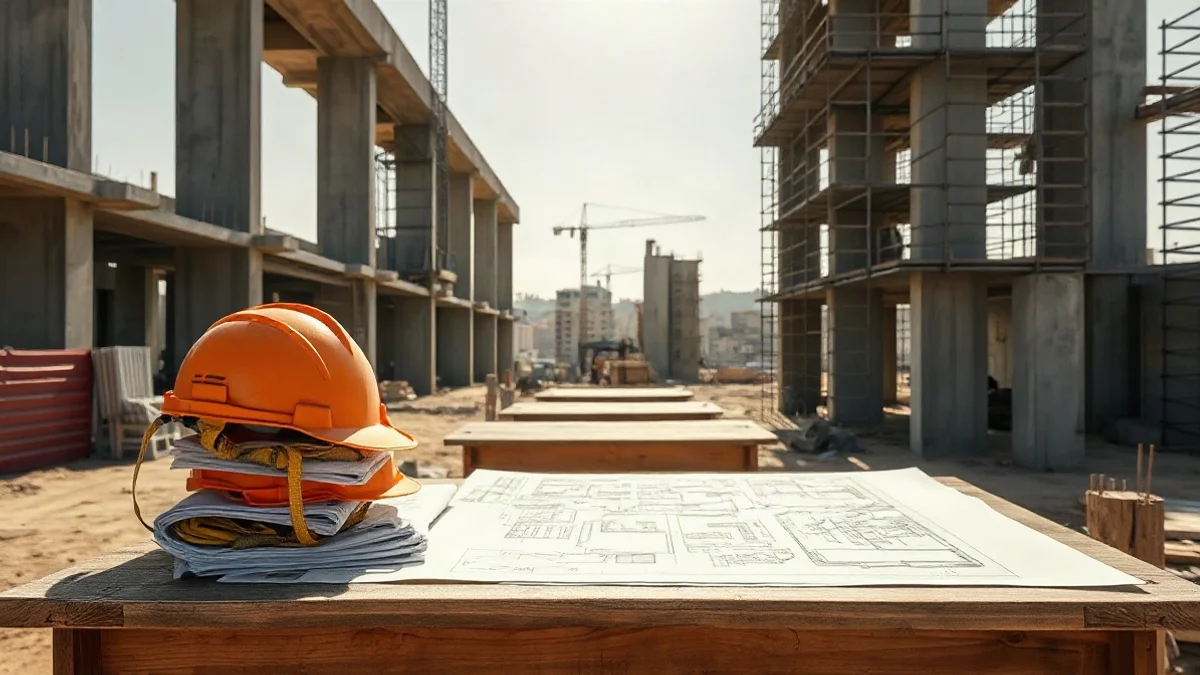
How do you rehabilitate an entire region after a war? The answer begins with the rehabilitation of homes, infrastructure, and businesses. But for the North to truly recover and continue to grow, another component is required: creating opportunities that will allow residents to build their future there. Alongside the rehabilitation of the physical space, there is a need to invest in people — in employment, skills, and the ability to integrate into the world of work.
Data illustrates the significance of this challenge. A survey conducted by the Regional Knowledge Center at Tel-Hai College and the Eastern Galilee Cluster among more than 500 young people from the Galilee and the Golan Heights shows that 59% of them see quality employment as the central factor influencing their decision to continue living in the North — even more than the sense of personal security. More than half of the respondents reported employment damage following the war, and almost seven out of ten noted that career prospects are the most important step for strengthening their sense of belonging to the region.
The 'Zafon Tech' Project
From this understanding, the 'Zafon Tech - Growth Engine for a New Career' project was born — a joint initiative of Mifal HaPayis, Cisco, the Rashi Foundation, Cob, the Achinoam Association, local government, and Ynet. The project offers professional training in artificial intelligence, high-tech, and the professions of the future.
'The future of the North will be measured not only by the number of buildings rehabilitated, but by the number of people who choose to continue living, working, and establishing their families there,' says Mifal HaPayis chairman Itzik Lari. 'Training in innovation and AI is a regional growth engine that strengthens the local economy and the resilience of the State of Israel as a whole.'
Michal Cohen, CEO of the Rashi Foundation, adds: 'The most important resource of the North is its people. We must invest in human capital — in youth and business owners. This is a social and national investment of the highest order.'
The New World of Work
About 1,000 residents of the North are expected to participate in one of seven training tracks developed in collaboration with employers. These include AI system development, implementation of AI solutions, network management and information security with AI tools, project management, and AI-based digital marketing.
'The 'Zafon Tech' project is part of our commitment to the rehabilitation and renewed growth of the North,' says Cisco Israel CEO Oren Sagi. 'We are connecting people, opportunities, and technology to create a future where everyone can succeed.'
Training duration ranges from 50 to 160 hours. Most tracks require no prior experience, except for the AI Development Expert track, which requires two years of software development experience. Participants will receive professional mentoring, networking opportunities, and access to potential employers.
Working Without Moving
Hybrid work has opened new opportunities for residents of the North. The project utilizes the AI-based COB platform to match participants with personalized career tracks. A pilot by the Achinoam Association has already proven successful, with 92% of 300 candidates securing hybrid positions.
'Our goal is not just to train workers, but to connect the North to Israel's economic center,' says Hadar Menachem, CEO of the Achinoam Association.