How Extreme Weather and Climate Risks Impact Business and Finance
UN climate talks in Antalya highlight growing financial risks from extreme weather. Experts warn that localized climate disruptions directly impact corporate debt, asset values, and insurance terms.
The United Nations Climate Change Conference opened on Monday in Antalya, Turkey. Alongside discussions on emission targets and state commitments, banks, corporations, and investors face a more practical question: how do extreme weather events impact their finances?
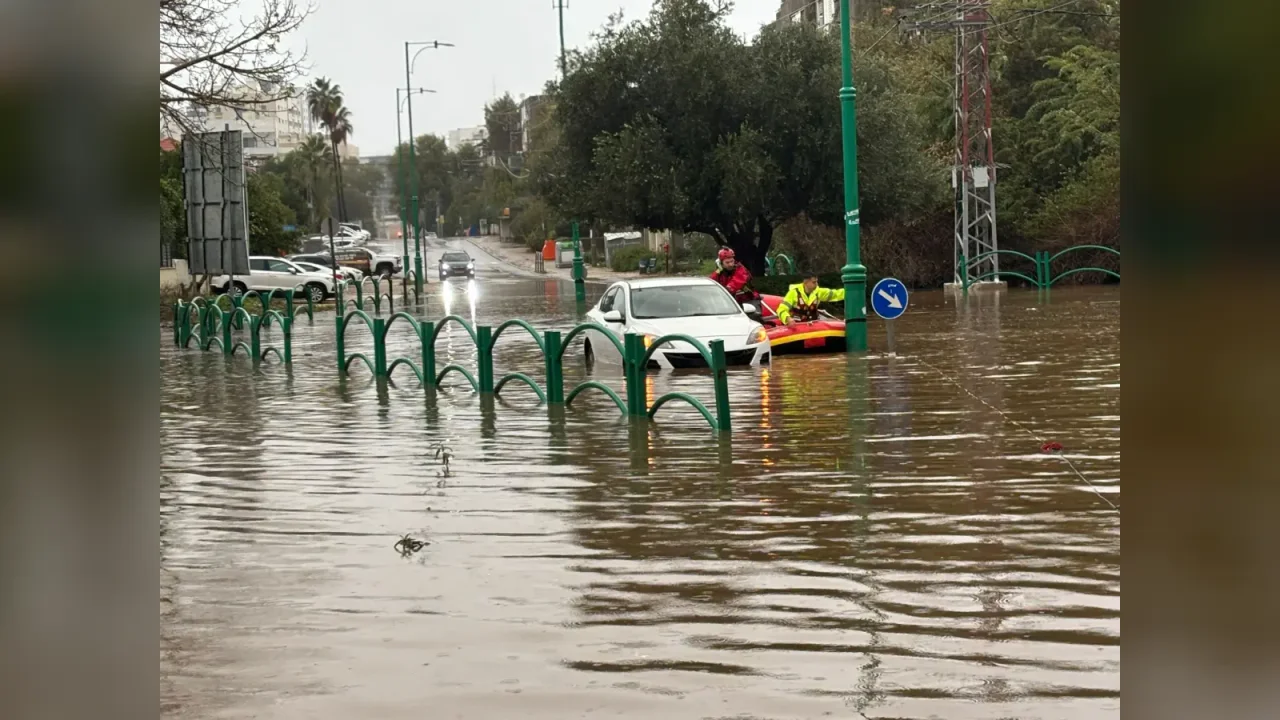
"Climate risk does not arrive at a bank with a special label," says Liat Jokela, a partner and head of the ESG unit at BDO, speaking to local media. "It arrives as a request to defer payments after a flood, as a supply chain delay following a heatwave, as an increased insurance premium, or as a drop in the value of a vulnerable asset."
While climate risks are often perceived as a challenge for nations prone to major natural disasters, the reality is closer to home. In Israel, where security concerns dominate the business agenda, localized floods or heavy precipitation might seem like isolated incidents. However, Jokela warns that localized damage to a production site, agricultural land, or supply chain can ripple through the economy, undermining a company's revenue and debt-servicing capacity, eroding asset values used as loan collateral, and tightening insurance terms.
The Bank of Israel's Directive 345 already mandates that the local banking system integrate climate-related financial risks into corporate governance, risk management, and scenario analysis. Yet, translating these guidelines into actionable decisions depends heavily on corporate disclosure quality. Jokela emphasizes that comprehensive asset mapping and scenario planning must directly influence investment, operational planning, and credit assessments to bridge the gap between regulatory reporting and financial reality.