Climate Change and El Nino Drive 55% Surge in Severe Clear-Air Turbulence
Climate change and El Nino are driving a 55% surge in severe clear-air turbulence, alongside icing risks and extreme heat limits, disrupting global flight safety.
The global aviation sector faces an unprecedented operational challenge as climate change and the intensifying El Nino phenomenon reshape atmospheric conditions worldwide. Official research and industry reports indicate that shifting weather patterns are producing more extreme, unpredictable conditions, leaving commercial flights increasingly vulnerable to severe disruptions and delays.
Aviation and climate experts point to three primary hazards currently threatening flight safety: clear-air turbulence, unexpected in-flight ice accumulation, and extreme heatwaves that restrict aircraft takeoff weights.
Major Atmospheric Hazards Threatening Modern Aviation
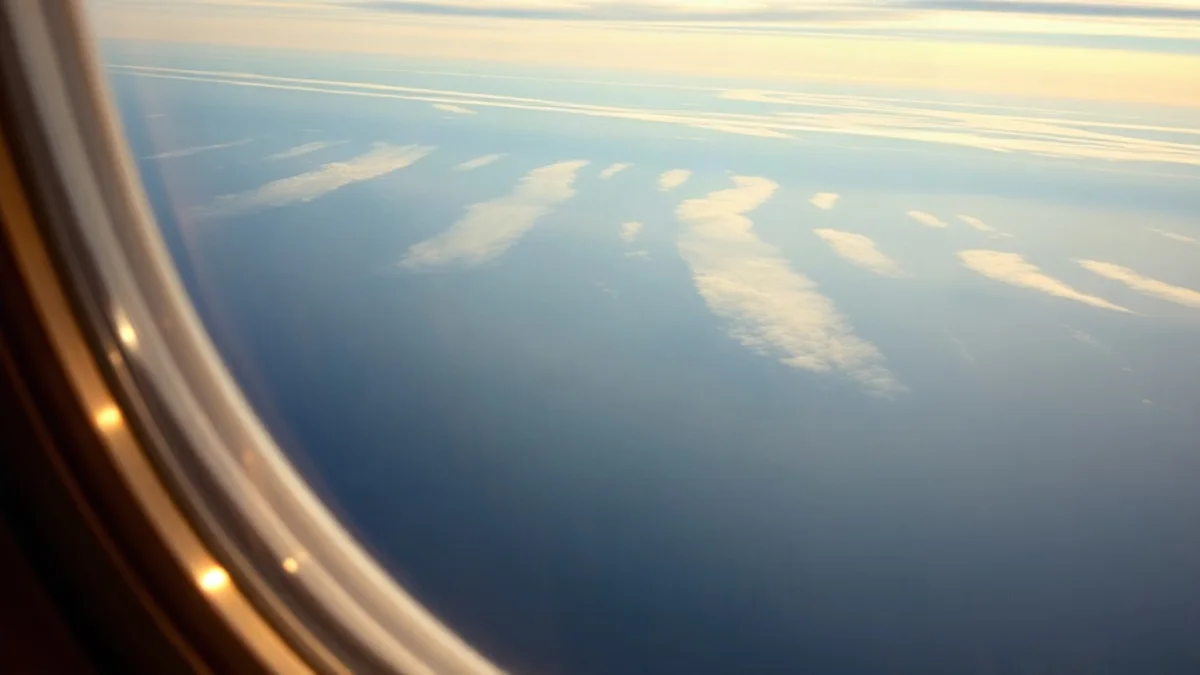
The most alarming risk to researchers involves clear-air turbulence, which occurs unexpectedly in cloudless skies without early visual indicators or detection on standard aircraft radar. According to research by Professor Paul Williams from the University of Reading in the United Kingdom, severe turbulence over the North Atlantic has surged by 55% since 1979. Periods of strong El Nino activity trigger an additional 20% increase in wind shear, creating severe in-flight buffeting. While modern aircraft are engineered to endure structural stress, aviation authorities strongly advise passengers to keep seatbelts fastened throughout the entire flight, even when the indicator sign is turned off, and to select seats near the center of the aircraft over the wings where motion is minimized.
Global warming also fails to eliminate the hazard of atmospheric icing. A report from the European Union Aviation Safety Agency warns that climate change alters flight altitudes, frequencies, and geographic zones prone to ice accumulation on aircraft airframes. This phenomenon degrades aerodynamic wing performance, adds excessive weight, and disrupts critical sensors and engines.
At the opposite extreme, soaring temperatures complicate aircraft takeoffs. Warmer air decreases atmospheric density, reducing the lift generated by aircraft wings, particularly at airports featuring shorter runways. Consequently, airlines frequently enforce payload restrictions, such as an incident on a Florence-to-London flight where 20 passengers were offloaded after temperatures reached 35 degrees Celsius. In the Middle East, carriers routinely reschedule long-haul departures for cooler night or early morning hours.
Current Winter Weather Disruption in the USA
These warnings underscore ongoing travel disruptions across the USA, where millions of holiday travelers experience the direct impact of severe weather on commercial air travel. During peak Thanksgiving holiday travel periods, powerful winter storm systems struck the East Coast with winds reaching 100 kilometers per hour and heavy rainfall from New York to Florida, alongside heavy snowfall and low visibility across the Midwest around Chicago and Detroit, triggering widespread flight delays, cancellations, and terminal congestion.
While the aviation industry invests heavily in artificial intelligence forecasting systems, satellite data integration, and laser detection technologies to identify invisible turbulence in advance, current guidance for passengers emphasizes flexibility. Travelers are advised to anticipate schedule adjustments, maintain adequate connection intervals, and keep seatbelts secured until the aircraft reaches the gate.