10 Common Mistakes That Ruin Your Homemade Chocolate Chip Cookies
Master the art of the ultimate chocolate chip cookie by avoiding ten common baking mistakes, from incorrect butter temperatures and flour ratios to skipping the fridge rest.
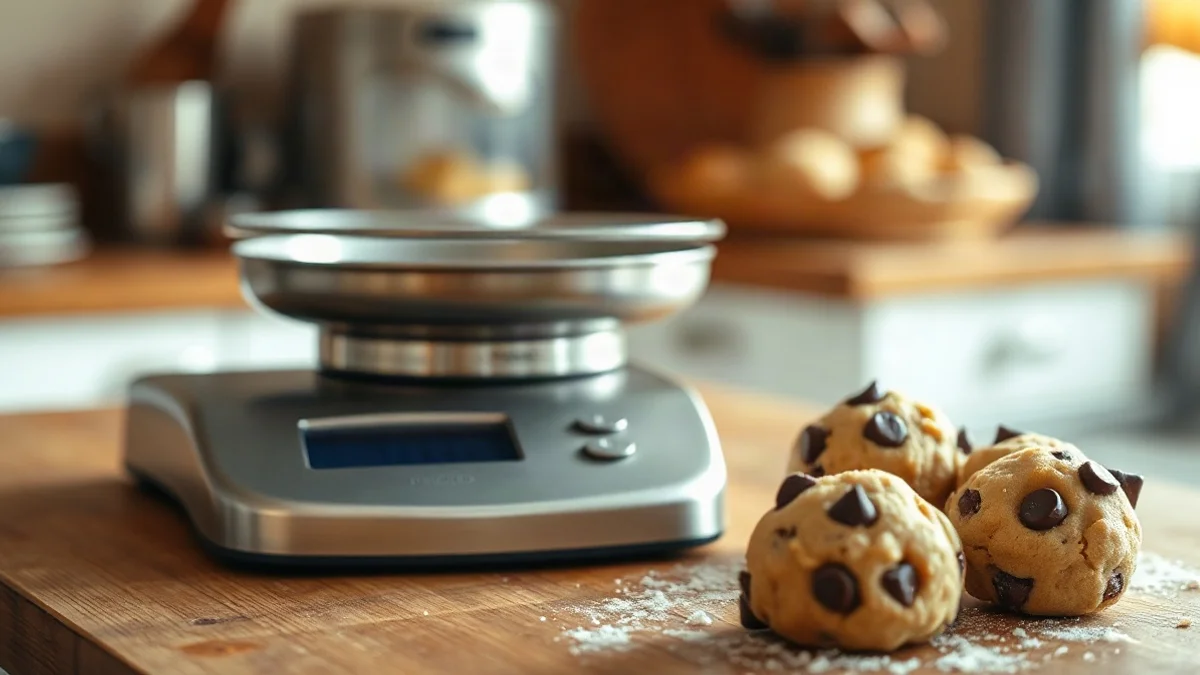
Achieving the ultimate chocolate chip cookie—crisp on the outside yet delightfully tender on the inside—is a culinary pursuit that requires patience and precision. Drawing from years of baking experience and the popular Dror Cohen recipe, culinary experts have identified the ten most common pitfalls that turn promising dough into a baking disaster. Avoid these missteps to master the art of the perfect batch.
Butter Temperature and Flour Measurement
1. Using butter at the wrong temperature: When a recipe calls for soft or very soft butter, it means butter that yields to finger pressure while retaining its shape, never melted butter. Melted butter causes cookies to spread excessively in the oven, ruining the signature texture contrast. Conversely, butter that is too cold will not yield the desired consistency.
2. Adding too much flour: Excess flour results in dry, heavy, and overly thick cookies. Since measuring cups can be imprecise due to packed or aerated flour, using a digital kitchen scale is the most accurate approach. Without a scale, fill cups using a spoon rather than scooping directly from the bag, and level the top without packing.
Sugar Ratios and Mixing Technique
3. Using only one type of sugar: Sugar dictates more than just sweetness; it controls texture, browning, and spread. Brown sugar provides moisture, chewiness, and a caramel flavor, while white sugar contributes crispness. Never omit either variety or alter their ratios, and resist the temptation to cut down on the total sugar amount.
4. Overmixing the dough: Once flour is added, mix the dough only until dry streaks disappear. Extended mixing encourages gluten development, transforming tender cookies into tough ones.
Resting and Seasoning
5. Skipping the refrigerator rest: This is perhaps the most critical error. Chilling allows flour to absorb moisture, fats to solidify, and flavors to develop. The recipe specifically demands a minimum two-hour rest to prevent the cookies from flattening completely during baking.
6. Omitting salt: While not a catastrophic mistake, salt balances sweetness, elevates chocolate flavors, and unites the overall flavor profile of each cookie.
Shaping and Baking Precision
7. Creating inconsistent sizes: Uneven dough balls bake at different rates. While larger cookies reach the desired texture, smaller ones become dry. Using a spring-loaded ice cream scoop or weighing the portions ensures uniformity.
8. Placing dough on a hot baking sheet: When baking multiple batches, placing cold dough onto a warm pan melts the butter prematurely. Bakers should rotate two separate pans or allow trays to cool completely between rounds.
9. Overbaking in the oven: To achieve crisp edges and a soft center, remove cookies when the borders are set and golden, but the center still appears slightly underbaked. Residual heat will finish the process; waiting until they harden in the oven leads to overly hard cookies.
10. Forgetting to preheat the oven: Impatience leads many to skip preheating, but putting dough into an insufficiently hot oven causes the fat to melt before the cookie structure stabilizes, resulting in flat, greasy treats.