Change Bloc Plans Early Knesset Moves to Repeal Outgoing Government Laws
The Israeli change bloc is planning early Knesset moves to repeal key judicial laws of the outgoing government, utilizing special committees and relying on informal coordination with Arab lawmakers.
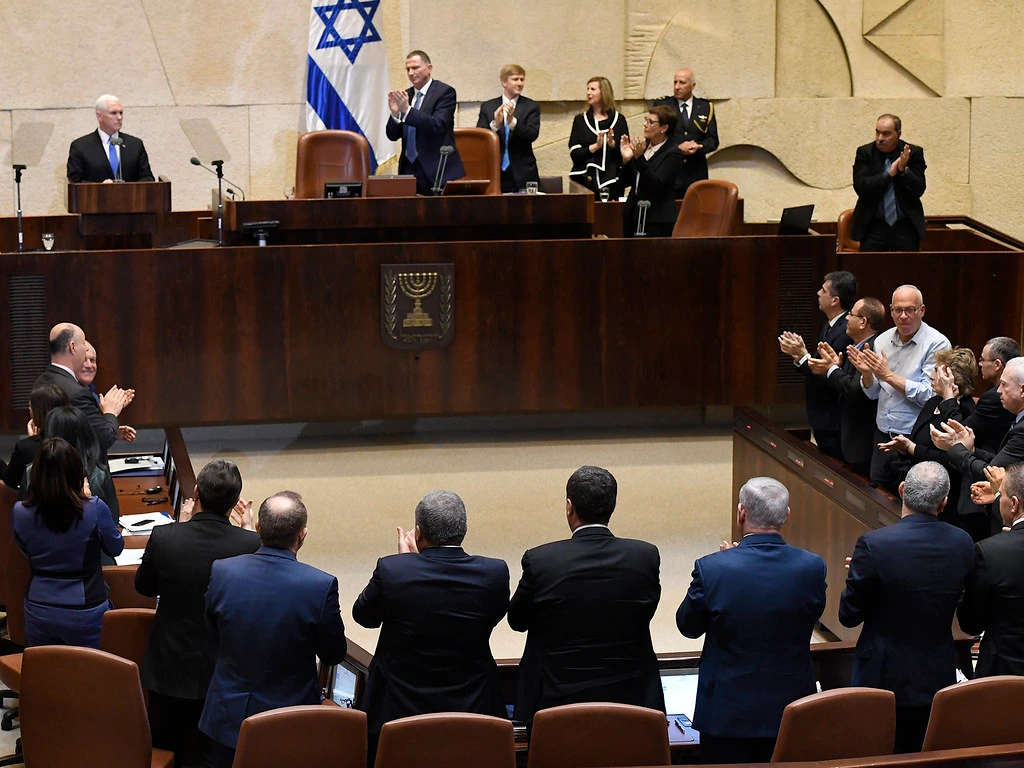
Even before reaching agreements on forming the next government, the change bloc is already planning its initial legislative moves in the incoming Knesset. Parties within the bloc intend to push for the establishment of two special committees to draft legislation repealing two flagship laws of the outgoing government: the restructuring of the Judicial Selection Committee and the division of powers of the Attorney General. The parliamentary maneuver is expected to launch shortly after the election of the Knesset Speaker, despite ongoing disputes over the candidate's identity.
The strategy mirrors the approach taken by the right-wing government upon taking office, when it established two special committees to advance legislation enabling Aryeh Deri to serve as a minister and transferring powers from the police commissioner to the designated National Security Minister, Itamar Ben Gvir. Now, the change bloc seeks to utilize the exact same parliamentary tool to swiftly dismantle the judicial legislation enacted by its predecessors.
Despite disagreements regarding the Knesset Speaker, negotiation teams are actively mapping out the first steps for the new legislature and the prospective coalition. According to the plan, the House Committee is slated to convene shortly after the Speaker's election to pave the way for the special committees and legislative agenda. Additionally, the bloc plans to push for a renewed vote on appointing the State Comptroller in the coming weeks, a process they claim was stalled by Likud in recent months.
To secure the repeal of the judicial overhaul laws, the change bloc will likely rely on the votes of Arab faction lawmakers. Although no formal coalition talks or official agreements are underway, Yair Golan and his associates are acting as an informal channel of coordination between the parties. Bloc officials estimate they can gather the necessary backing to advance all three initiatives through the Knesset without major hurdles.
Meanwhile, two central issues have been excluded from the immediate action plan: establishing a state commission of inquiry into the October 7 massacre and advancing a conscription law mandating military or national service for the broader Haredi public. Bloc representatives attribute the delay to tight scheduling constraints that preclude tackling complex legislation at this preliminary stage.
Political calculations are also believed to motivate the postponement. Promoting a state commission of inquiry with the backing of Arab parties could prove controversial, while pushing an early draft law might narrow future negotiation avenues with ultra-Orthodox factions. These assessments reflect analytical observations rather than an official policy stance from the bloc leadership.
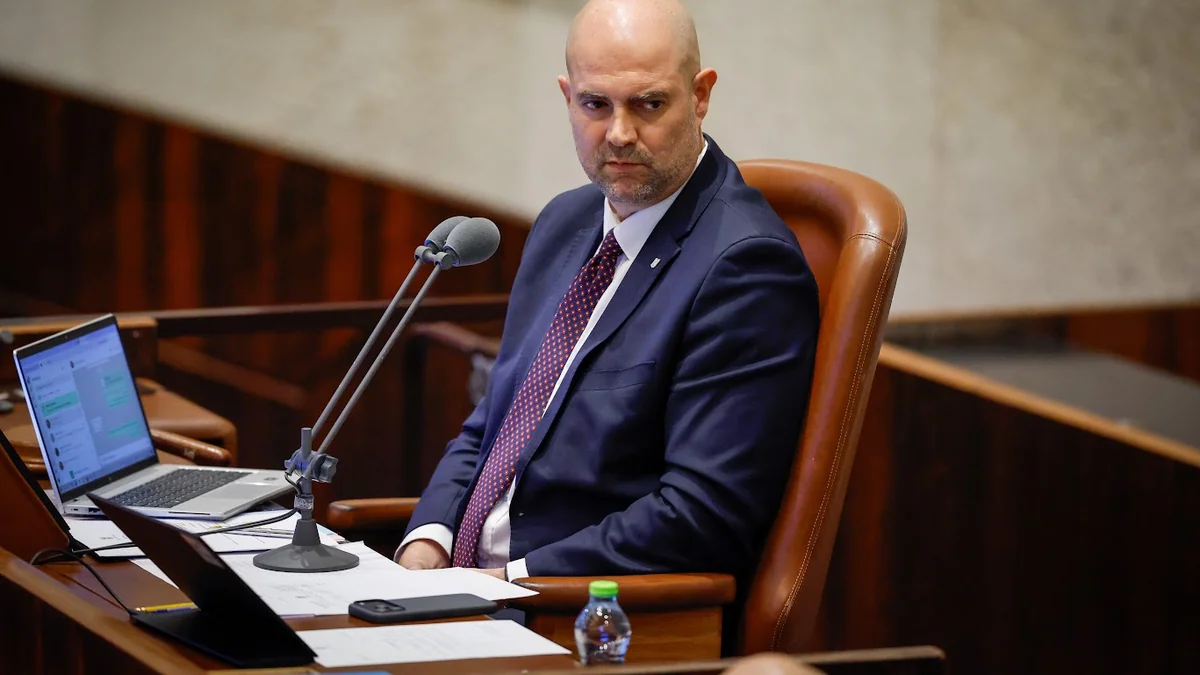
Simultaneously, tensions persist among change bloc parties regarding the selection of the next Knesset Speaker. Representatives from the parties of Yair Lapid and Naftali Bennett conveyed a message to Gadi Eisenkot suggesting that Lapid assume the role on an interim basis. This arrangement would allow Eisenkot to focus entirely on coalition negotiations while Lapid manages parliamentary operations.
Sources noted that Lapid has no intention of holding the post long-term, viewing the speakership as a transitional measure. The final decision on the speakership will directly impact the legislative timeline, as the bloc aims to initiate parliamentary maneuvers immediately after the speaker assumes office, even before government formation talks conclude.