"Those who chose the State of Israel": The new initiative for immigrant soldiers
The Ministries of Defense, Aliyah and Integration, and Diaspora Affairs are establishing a joint support framework for immigrant soldiers and overseas volunteers, which will accompany them from recruitment to civilian life. A new study pointed to gaps in information, rights, housing, and employment.

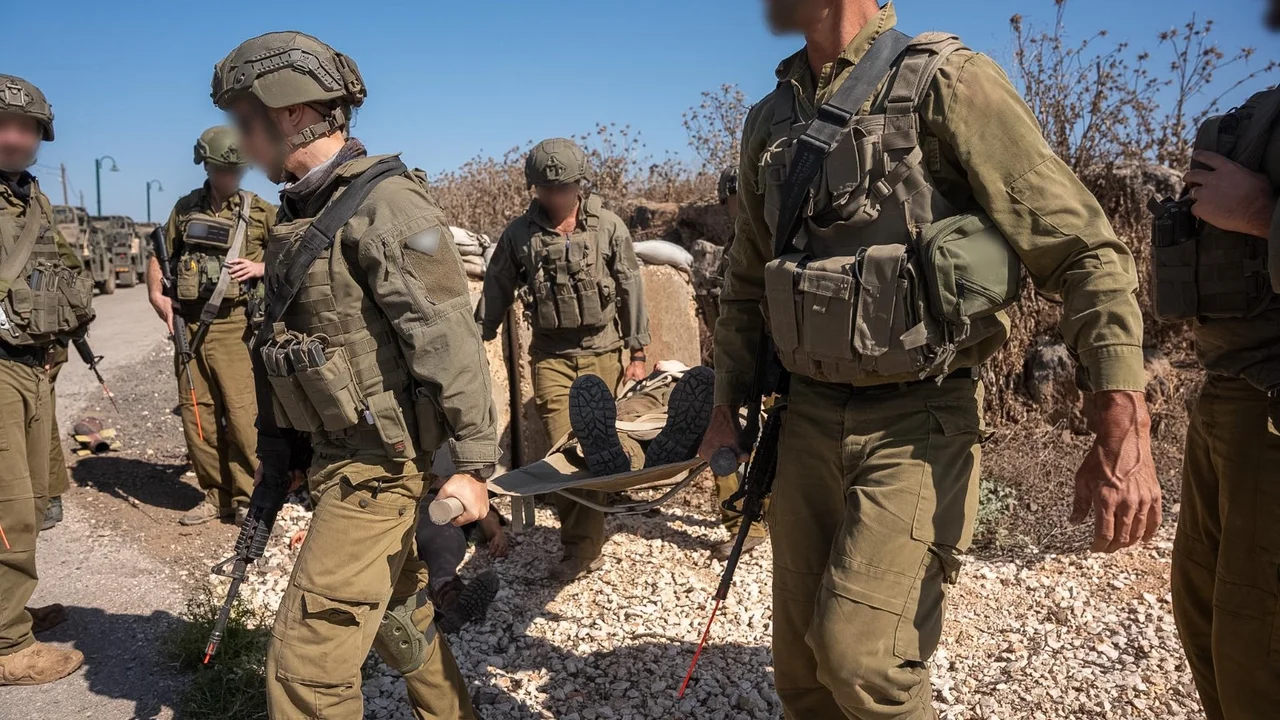
The Ministry of Defense, the Ministry of Aliyah and Integration, and the Ministry of Diaspora Affairs and Combating Antisemitism are launching a joint inter-ministerial initiative to examine and improve the support and assistance framework for immigrant soldiers and overseas volunteers serving in the IDF. The initiative, carried out in cooperation with the soldiers themselves and their families, is intended to identify existing needs and gaps and provide them with precise responses against the backdrop of their significant contribution to the IDF and the State of Israel.
In this framework, the "Together on the Way" conference was held, with the participation of Minister of Aliyah and Integration Ofir Sofer, Minister of Diaspora Affairs and Combating Antisemitism Amichai Chikli, Chairman of the World Zionist Organization Yaakov Hagoel, Chairman of the Jewish Agency Major General (res.) Doron Almog, and Director General of the Ministry of Diaspora Affairs and Combating Antisemitism Avi Cohen Scali. Also taking part were representatives of the IDF and the Mofet unit, partner organizations including Wings, Tzabar, Nefesh B'Nefesh, and the Association for the Wellbeing of Israel's Soldiers, as well as discharged immigrant soldiers, overseas volunteers, and their families.
The event took place following a government decision approved last May, under which a dedicated unit will be established in the Ministry of Aliyah and Integration to strengthen the accompaniment, assistance, and support for immigrants serving in the IDF, with an emphasis on lone soldiers.
Continuous framework: From recruitment to citizenship
The goal of the joint initiative is to create a broad and coordinated government perspective on the unique needs of immigrant soldiers. Alongside the usual challenges of military service, many of them face language and adaptation difficulties, limited familiarity with state systems, and often – the lack of a close family support system in Israel.
The new unit being established will work for:
-
Strengthening the continuity of support: before, during, and after service.
-
Linguistic and cultural accessibility: adapting existing services to the needs of immigrants.
-
Realization of rights and crisis assistance: accompaniment vis-à-vis authorities and complementary response in emergency situations.
-
Support for families abroad: guidance and mediation for the parents of soldiers staying abroad.
Research findings: What do the soldiers say?
During the conference, the Ministry's Director General, Dganit Sankar-Langa, presented the findings of a comprehensive study to map the soldiers' needs. The survey included 255 pre-recruitment youth, soldiers in mandatory service, and discharged soldiers, alongside in-depth interviews with parents and professionals. The current situation: 65% of respondents reported receiving assistance with rent, 56% received a grant or monthly financial aid, and 45% were assisted by social welfare (Tash) officers.
Challenges for improvement: The study pointed to the need to strengthen information accessibility, create a clearer and more continuous point of contact, and improve coordination between the various organizations accompanying the soldiers. The day after discharge: Among discharged soldiers, distinct needs were identified in the fields of employment, financial assistance, studies, housing, and the realization of rights, which require accompaniment even in the transition to civilian life. After the presentation of the data, round tables were held where participants discussed ways to refine the framework and improve service in the field.
Voices of the leaders: "Mutual responsibility and shared destiny"
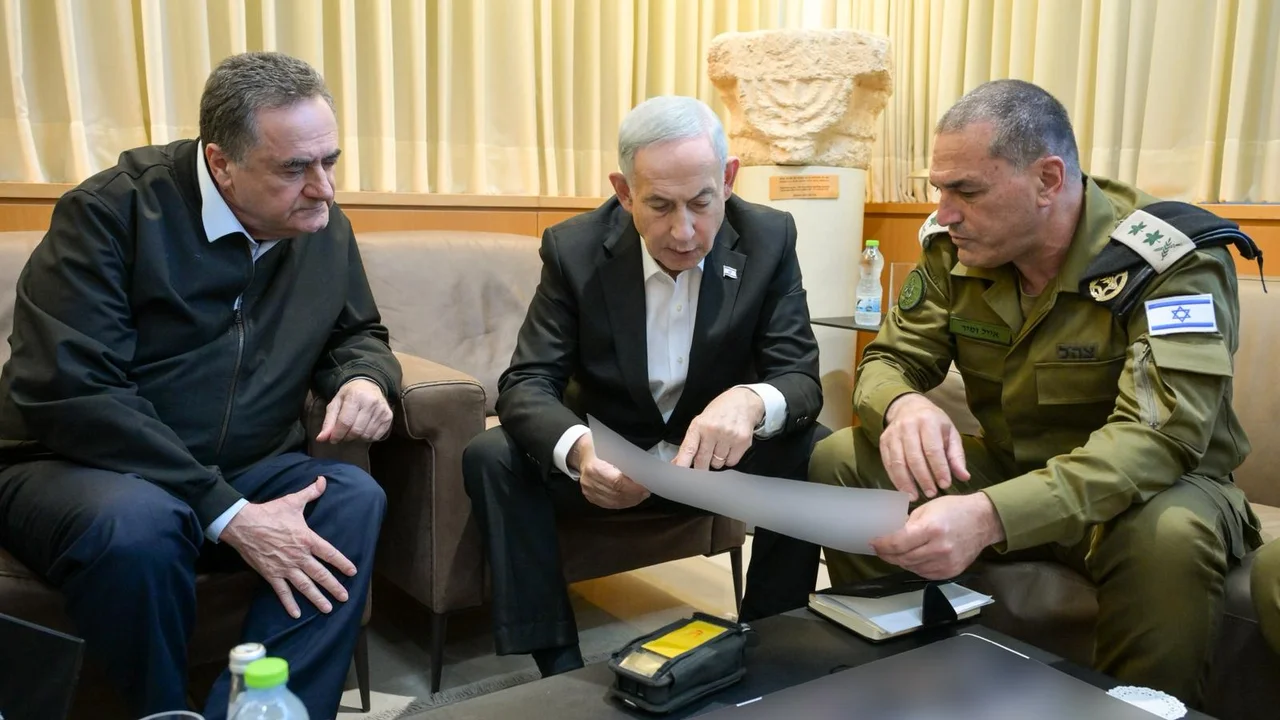
Minister of Defense Israel Katz stated:
"Immigrant soldiers and volunteers who choose to leave their home, immigrate to Israel, and wear the IDF uniform are an exciting expression of Zionism, mutual responsibility, and the shared destiny of the Jewish people. The State of Israel is committed to standing by their side just as they stand for its defense... Those who chose the State of Israel and chose to defend it deserve for the State of Israel to be there for them."
Minister of Aliyah and Integration Ofir Sofer noted:
"We have a huge responsibility to provide the many young people from the Diaspora, who chose and are choosing to come to Israel and enlist in the IDF, and even more so since October 7, with a proper, stable, and professional framework. To this end, we promoted a significant government decision to establish a dedicated unit that will serve as a single address for the parents of lone soldiers and provide continuous accompaniment."
Minister of Diaspora Affairs and Combating Antisemitism Amichai Chikli emphasized:
"The lone soldiers who return to their communities after military service need help and support. Establishing the inter-ministerial team is an important step. Our role is to give the soldiers and families strength and to empower them. Whoever chose to be here for the people of Israel, the State of Israel needs to be there for him."