Canary Islands Face Overtourism Crisis Amid Record Tourist Numbers
The Canary Islands grapple with an overtourism crisis as record visitor numbers strain infrastructure, housing, and water supplies, prompting calls for sustainable tourism reforms.
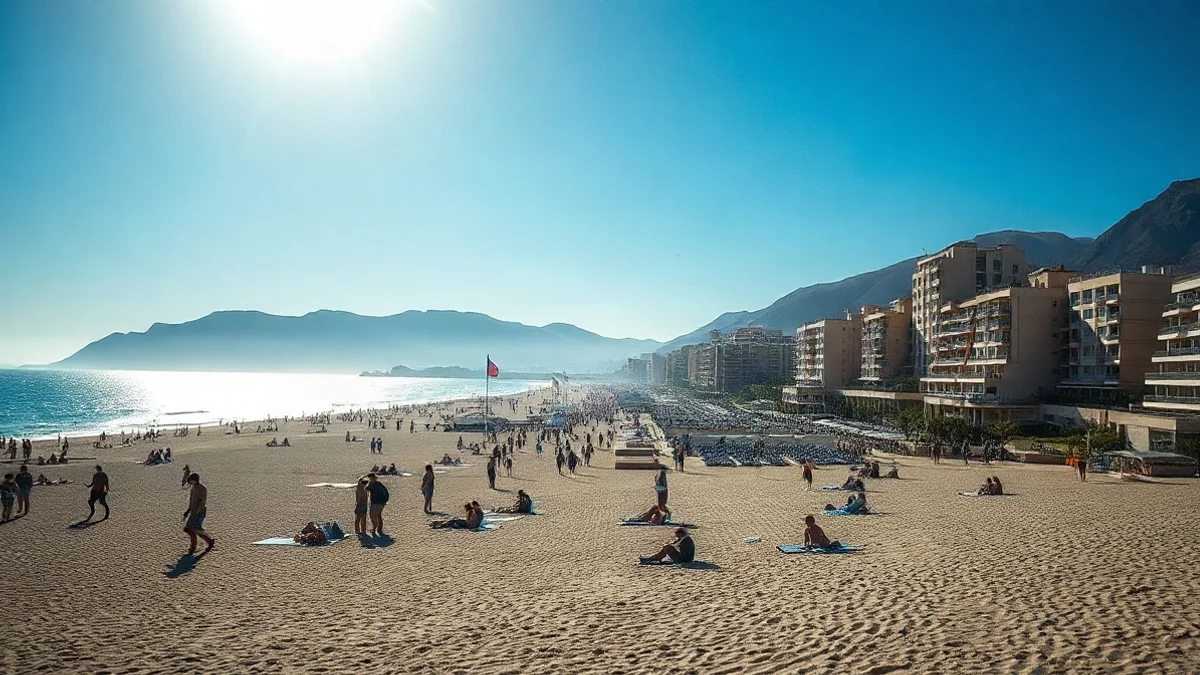
The Canary Islands face an escalating overtourism crisis, driven by a record 18.4 million visitors in 2025 compared to 15.1 million in 2019, while hosting a permanent population of roughly 2.26 million. While tourism generates over a third of the local economy, the surge strains housing, road networks, water supplies, and sewage systems.
Infrastructure Strain and Environmental Toll
Local activist Daniassa Corbaló noted that social media has eliminated secluded spots, leaving beaches crowded and natural environments degraded. In Tenerife, bacterial contamination forced temporary closures of several beaches, including El Médano, El Socorro, and Playa Jardín, due to overloaded sewage systems. Additionally, Tenerife declared a water emergency, though tourist complexes continue unhindered consumption.
Declining Value and Rising Costs
Travel journalist Eva Hughes points out that visitors are increasingly paying higher prices—averaging 131.94 euros per night in July 2026, a 4.3 percent increase year-on-year—only to encounter crowded beaches, construction cranes, and diminished value. Consequently, Fodor's travel guide placed the islands on its 2026 'No List,' advising travelers to reconsider visiting destinations overwhelmed by overtourism.
Regulatory Response and Future Outlook
Local authorities have introduced regulations to curb short-term holiday rentals, yet hotel investments continue to break records, with 1.039 billion euros invested in 2025 and 44 new hotels or expansions planned through 2028. Protesters do not seek a complete tourism ban but demand controlled growth, infrastructure investment, and housing protections to preserve the islands' identity.