Israeli Mentorship Programs Expand to Support Families Coping with War PTSD
Israeli organizations are expanding mental health support for families affected by war trauma, utilizing dedicated mentors to help children and spouses navigate post-combat PTSD.
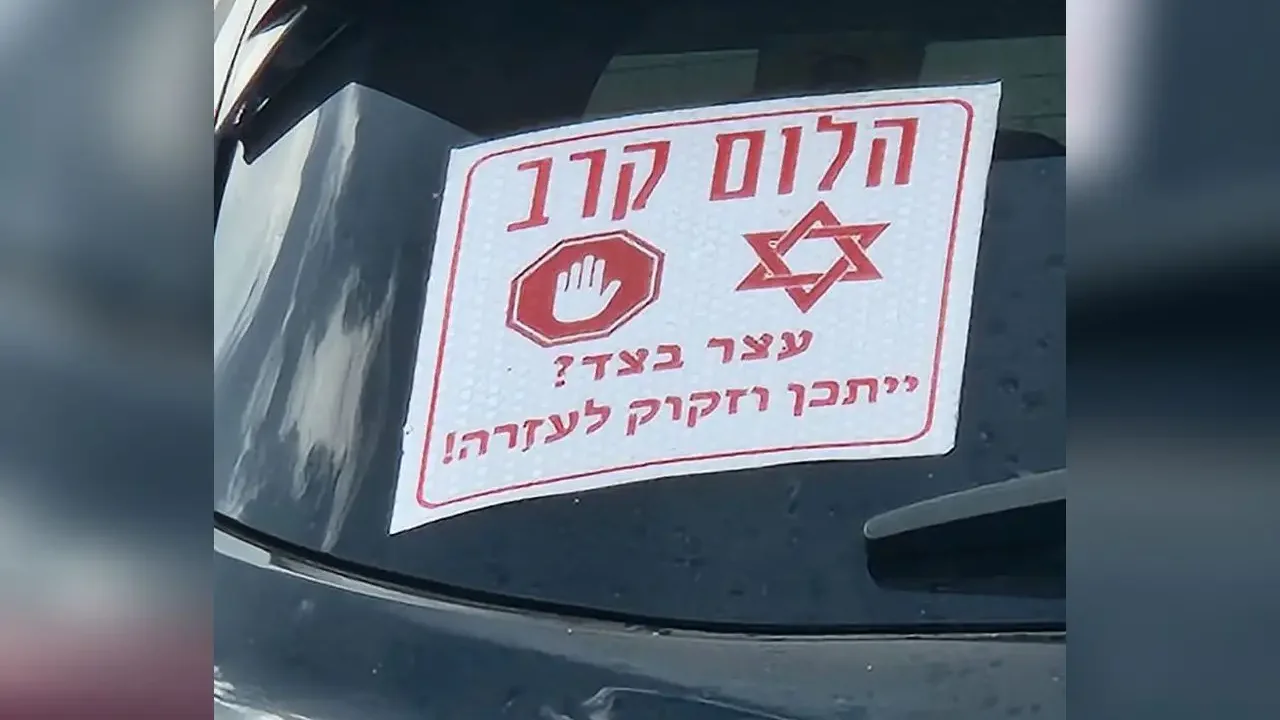
The "Iron Swords" war has left a profound psychological impact not only on the frontline soldiers but also on their families, particularly children. Post-traumatic stress disorder and war-related trauma frequently infiltrate domestic life, creating what experts term "transparent trauma." Families grappling with these challenges often experience social isolation, stigma, and a severe shortage of institutional support, prompting organizations to expand targeted interventions.
Mentorship Models for Traumatized Families
To bridge this gap, organizations such as "Open Future" (Ptichim Atid), a subsidiary of the Jewish Agency founded in 2006, have scaled up their activities by approximately 40% in response to the ongoing conflict. The organization utilizes a unique mentorship model, pairing families with dedicated companions ("neemanim") who act as an additional adult presence in the household. Operating across 60 socio-economically diverse local authorities, these mentors support children through a comprehensive three-year program spanning five key intervention circles: individual, familial, social, community, and academic.
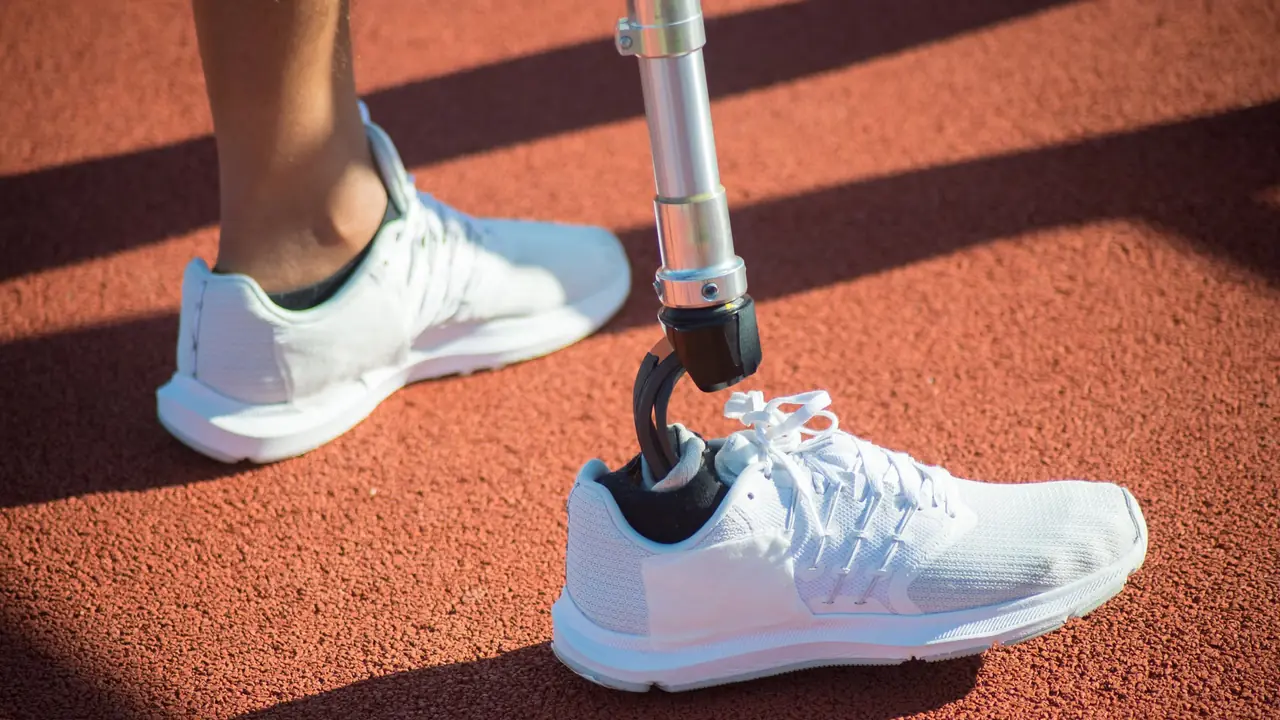
In an innovative pilot initiative, Open Future has partnered with the "Beit HaLochem" rehabilitation centers—starting in Beersheba—to extend specialized support to wounded IDF veterans and their families. Daphna, an Ofakim resident and partner of a reservist diagnosed with PTSD following the events of October 7, now works as a mentor within this framework. Drawing from her own lived experience, she emphasizes that trauma inevitably permeates the household, making dedicated support for spouses and children an absolute necessity for restoring domestic stability.