Balkan Academic Delegation Visits Israel to Forge New Regional Partnerships
A delegation of 21 senior academics from the Balkans visited Holon and Tel Aviv to foster regional scientific cooperation, coinciding with expanding diplomatic and aviation ties between Israel and the region.
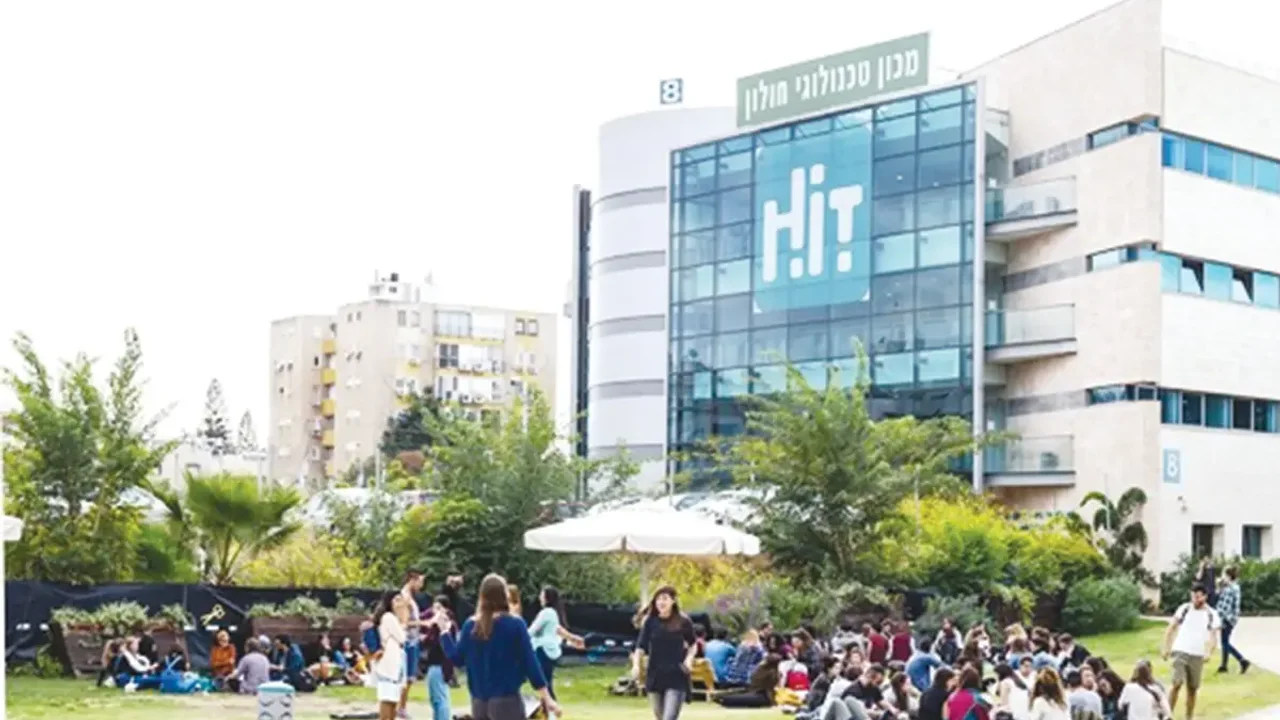
A high-level academic delegation consisting of 21 senior institutional heads and researchers from Kosovo, Albania, North Macedonia, and Bosnia and Herzegovina has arrived in Israel for a three-day visit aimed at fostering cooperation in science, research, and technology. Initiated by the Ministry of Regional Cooperation, the delegation visited HIT – Holon Institute of Technology and Tel Aviv University to engage with Israeli academic leadership and faculty members.
During their itinerary, the visiting scholars were introduced to cutting-edge research projects, innovative startups, and scientific initiatives developed across Israel. Officials noted that the meetings featured open discussions, knowledge exchanges, and mutual interest, establishing a solid foundation for joint research ventures, student and lecturer exchanges, and applied projects designed to strengthen regional academic ties.
Expanding Diplomatic and Economic Ties
This academic outreach coincides with broader diplomatic efforts to deepen Israel's connections in the Balkan region. Last month, Minister of Foreign Affairs Gideon Saar traveled to Tirana, where he met with Albanian Minister of Infrastructure and Energy Anea Karkaci—in coordination with Israeli Minister of Transport Miri Regev—to sign an advanced bilateral aviation agreement aimed at expanding connectivity and boosting tourism.
Bilateral tourism figures have experienced substantial growth in recent years, with the number of Israeli visitors to Albania surging from approximately 7,000 to nearly 100,000 annually over the past three years. Alongside the aviation pact, an expanded intergovernmental cooperation framework was signed to generate new commercial opportunities for Israeli enterprises in the region.
Reflecting on the ongoing three-day academic visit, the Ministry of Regional Cooperation emphasized the strategic value of human connection and institutional diplomacy:
"Regional cooperation is much more than a professional objective; it serves as a primary engine for growth, innovation, and long-term stability. Academia provides a unique platform to bridge nations and cultures, where knowledge and progress transcend borders to build lasting trust."
Ministry representatives confirmed their commitment to sustaining these partnerships well beyond the initial three-day schedule, transforming introductory meetings into tangible, long-term joint projects.