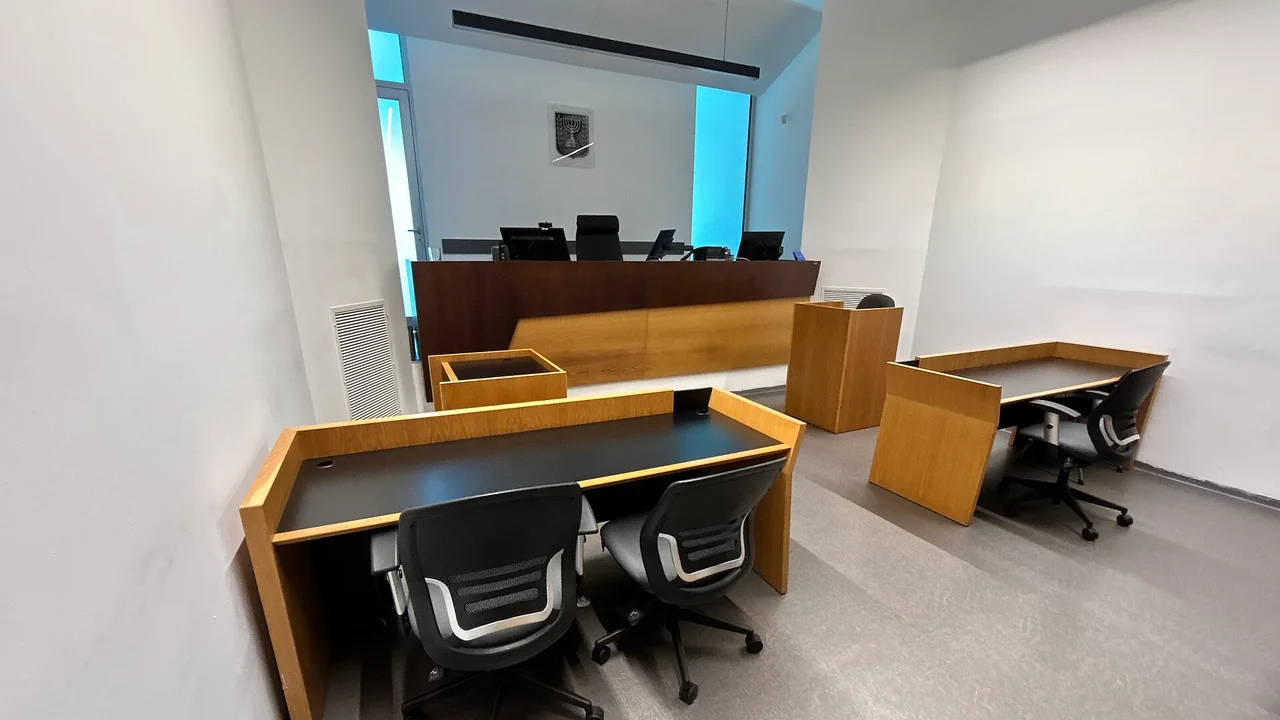
Israeli Burial Societies Petition High Court Over Frozen Plot Projects
Major Israeli burial societies have petitioned the High Court over frozen projects for 40,000 burial plots, warning of a severe crisis that threatens national emergency preparedness.
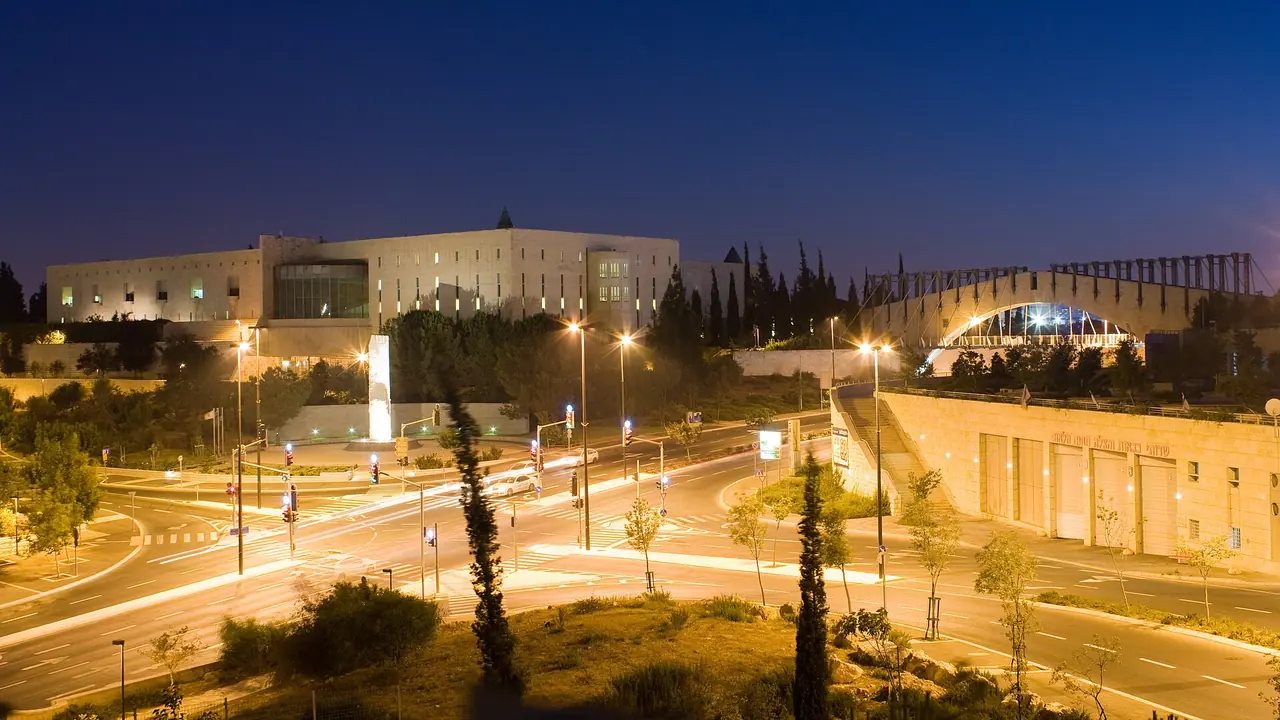
Major burial societies in Israel, including those in Tel Aviv, Jerusalem, Haifa, Rishon LeZion, and Petah Tikva, have filed a petition with the High Court of Justice against the state over the freezing of projects for approximately 40,000 burial plots. The petitioners warn that existing cemetery reserves in several cities could be exhausted within a year, severely compromising national emergency preparedness.
Emergency Preparedness and Funding Crisis
According to the petition filed by the Asher Axlerod & Co. law firm, the state demands that burial societies maintain emergency burial reserves following the lessons of the October 7 attacks. However, the government is simultaneously delaying the updating of the funding mechanism required to finance the necessary infrastructure. The legal action targets the Ministry of Religious Affairs, demanding that it bring a decree updating advance burial plot tariffs before the Knesset Interior Committee for approval.
The petitioners state that the current tariffs are based on cost data from 1997 and fail to reflect surging construction and development expenses. While the draft decree proposes raising the maximum tariff in Tel Aviv from approximately 19,000 NIS to 34,900 NIS before statutory discounts, the societies emphasize that these funds are channeled entirely into development reserves to build burial spaces for the general public, rather than serving as commercial profits.
Impact on Major Cities and National Security
The freeze has already halted projects for about 40,000 burial plots in Tel Aviv and Haifa, involving investments exceeding half a billion shekels. In Jerusalem, projects for 8,000 plots are at risk, with contractors at Har HaMenuchot slowing down operations. Burial reserves are projected to run out within a year in Or Yehuda, a year and a half in Yarkon and Elad, three years in Tel Aviv and Rishon LeZion, and four years in Haifa.
The Ministry of Religious Affairs itself has warned against the impending crisis. In an October 25 letter, the ministry's director-general cautioned that delays cause severe damage to the burial sector, noting that the professional groundwork was completed well before the election period. Although the draft was published for public comments in May 2026, the Deputy Attorneys General ruled on October 9 that the decree should not be advanced during an election period due to restraint guidelines. The burial societies are now asking the High Court to intervene and order the immediate advancement of the tariff update.