British Airways Boeing 787 Veers Off Heathrow Taxiway and Gets Stuck in Mud
A British Airways Boeing 787 bound for Lagos veered off a Heathrow taxiway and sank into the mud, forcing flight cancellation in the carrier's second safety incident in a week.
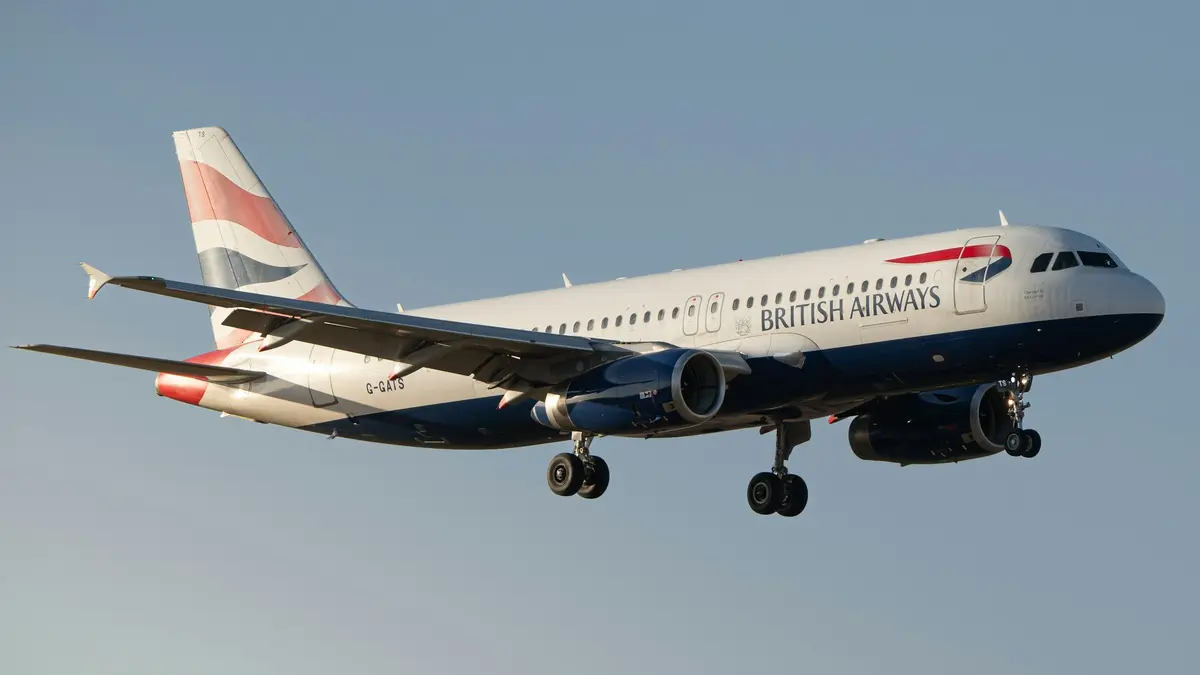
A British Airways Boeing 787 aircraft operating flight BA75 to Lagos, Nigeria, veered off the taxiway and became stuck in the mud at London Heathrow Airport, forcing the cancellation of the flight and the immediate disembarking of all passengers.
The incident occurred during the morning hours as the aircraft taxied from the gate toward the departure runway. According to preliminary reports, the aircraft missed a designated turn, rolled off the asphalt, and sank its nose gear into the surrounding muddy terrain. An anonymous source cited by British media described the occurrence as baffling, suggesting that a fundamental human error by the flight crew led the aircraft off the paved surface.
Representatives for British Airways issued an immediate apology to affected travelers for the disruption to their journey. Official statements confirmed that airline teams worked diligently to rebook passengers and transport them to their destination as quickly as possible while maintaining direct communication. A Heathrow Airport spokesperson verified that no injuries were sustained during the incident and that normal operational flow across the airfield remained unaffected.
This embarrassing episode marks the second safety-related incident experienced by the carrier within a single week. Days prior, an Airbus aircraft arriving from Amsterdam executed a hazardous approach during which its tail heavily struck the Heathrow runway surface. Flight crew members were forced to abort the initial landing at the last moment, ascend back into the airspace, and execute a successful second approach. The consecutive occurrences within a short timeframe have prompted scrutiny regarding airline operational protocols.