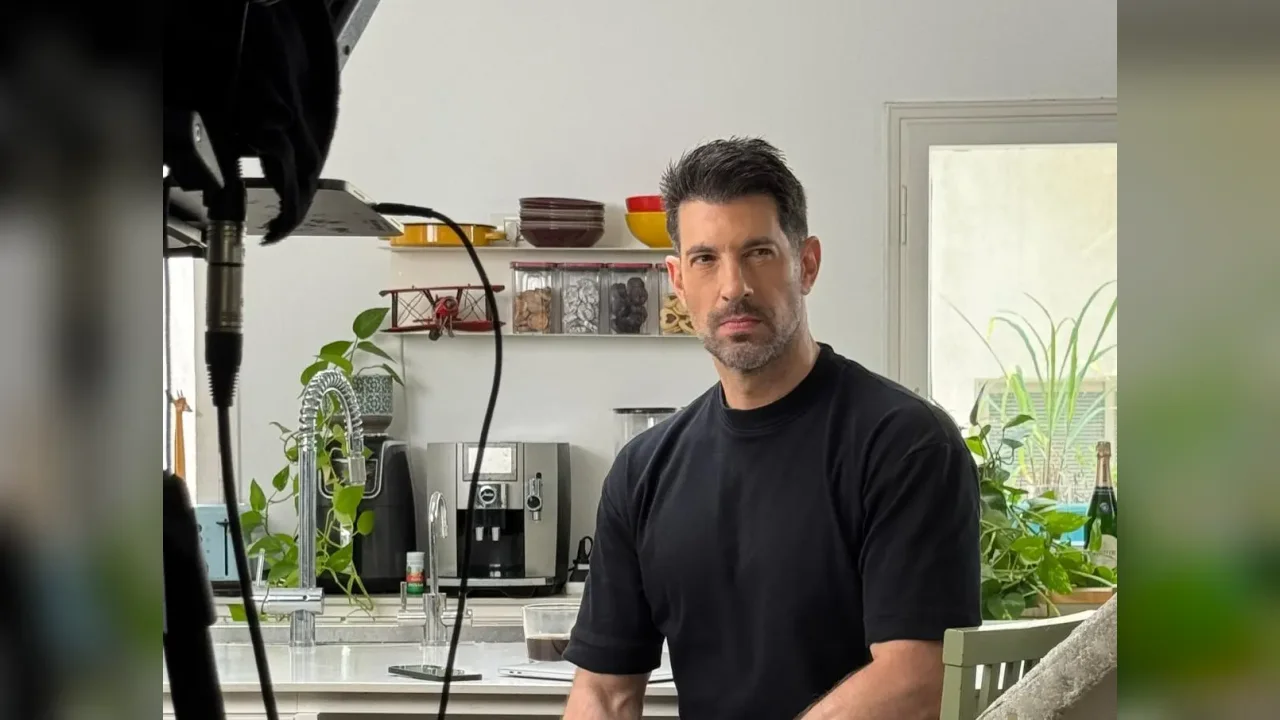
Why Chef Bobby Flay's Cold-Pan Trick Makes the Creamiest Scrambled Eggs
Discover chef Bobby Flay's clever cold-pan trick for making exceptionally creamy, soft, and airy scrambled eggs every time without any rubbery texture.
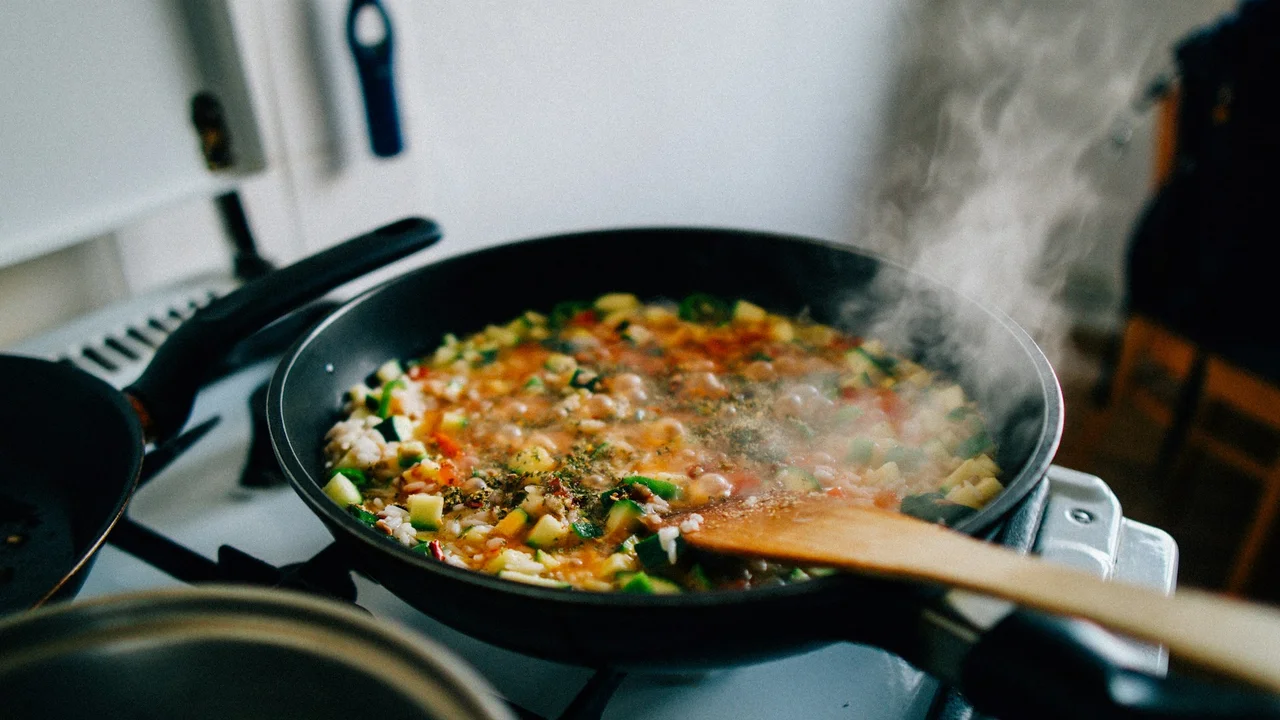
Most home cooks prepare scrambled eggs in a familiar, straightforward way: preheating a skillet, melting butter, pouring in beaten eggs, and stirring until done. The challenge with this traditional approach is that the transition from runny to overcooked, dry eggs happens in a matter of seconds, frequently leaving behind rubbery curds and watery residue on the plate.
Renowned American chef and Food Network star Bobby Flay has flipped this culinary script entirely. Instead of heating the pan first, Flay places all the ingredients into a cold skillet before applying any heat. A video demonstrating this technique went viral on ByteDance (TikTok), and culinary website The Kitchn tested the method in November, concluding that the eggs emerged exceptionally creamy, airy, and soft.
How to Master the Cold-Pan Method
To achieve this velvety texture at home, follow a few simple steps:
- Beat a few eggs in a bowl with a pinch of black pepper.
- Place a tablespoon of butter and a dollop of crème fraîche into a cold skillet (sour cream or cream cheese serve as effective substitutes).
- Pour the beaten egg mixture into the pan before turning on any heat.
- Turn the burner to medium-low and stir constantly with a silicone spatula. Initially, nothing appears to happen, but the eggs will soon begin to thicken rapidly.
- Remove the skillet from the heat source while the eggs still look slightly moist, transfer them to a plate, and season with salt and additional pepper. Residual heat will finish the cooking process.
Why This Technique Works
Starting with a cold skillet allows the eggs to heat gradually and evenly alongside the pan itself. The proteins coagulate gently rather than contracting instantly under high heat, while continuous stirring creates tiny, tender curds instead of large, rubbery chunks. Meanwhile, the fat from the crème fraîche melts seamlessly into the eggs, yielding a rich, almost whipped texture.
Several helpful tips ensure a flawless result every time. Using a nonstick skillet is essential since the eggs rest in the pan from the very first second. Avoid salting the eggs beforehand; salt should be added at the end on the plate, exactly as Flay demonstrates. Patience is also required, as the method takes slightly longer than standard scrambling, and raising the flame will instantly ruin the delicate texture. For an elevated twist, Flay occasionally tops the dish with cheese and sauce, a touch that pairs wonderfully with grated Parmesan or freshly chopped chives.