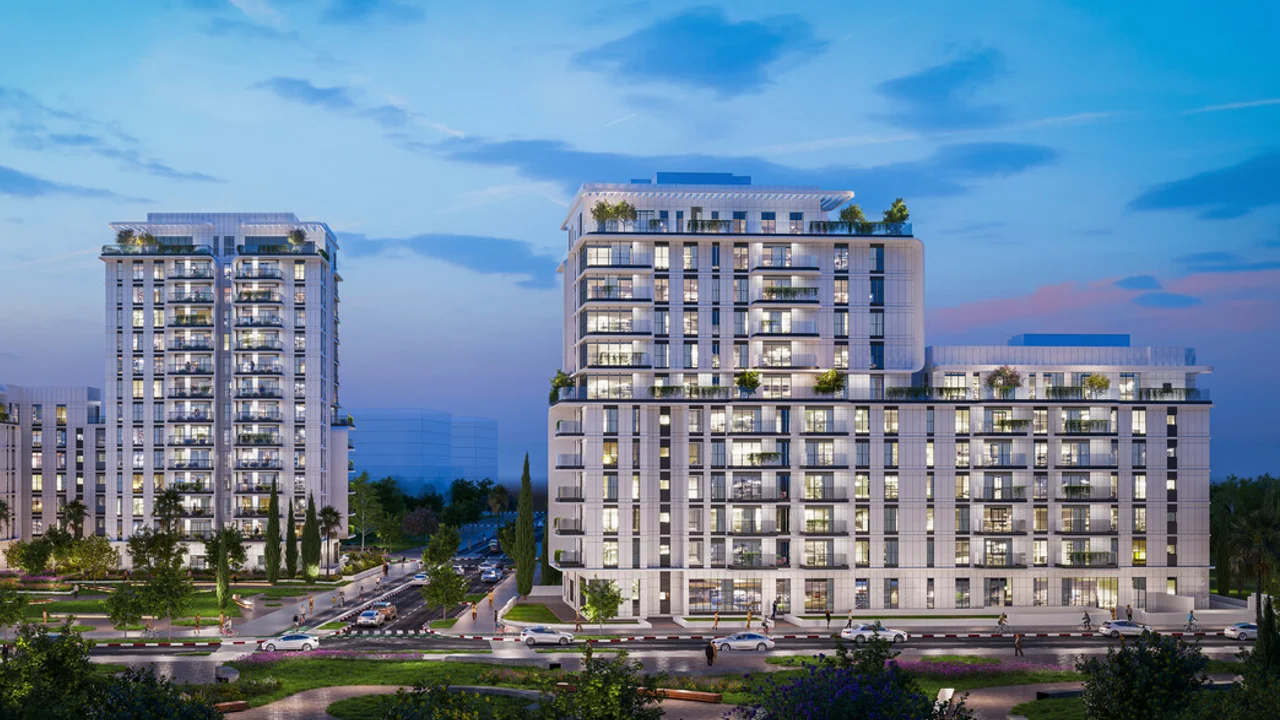
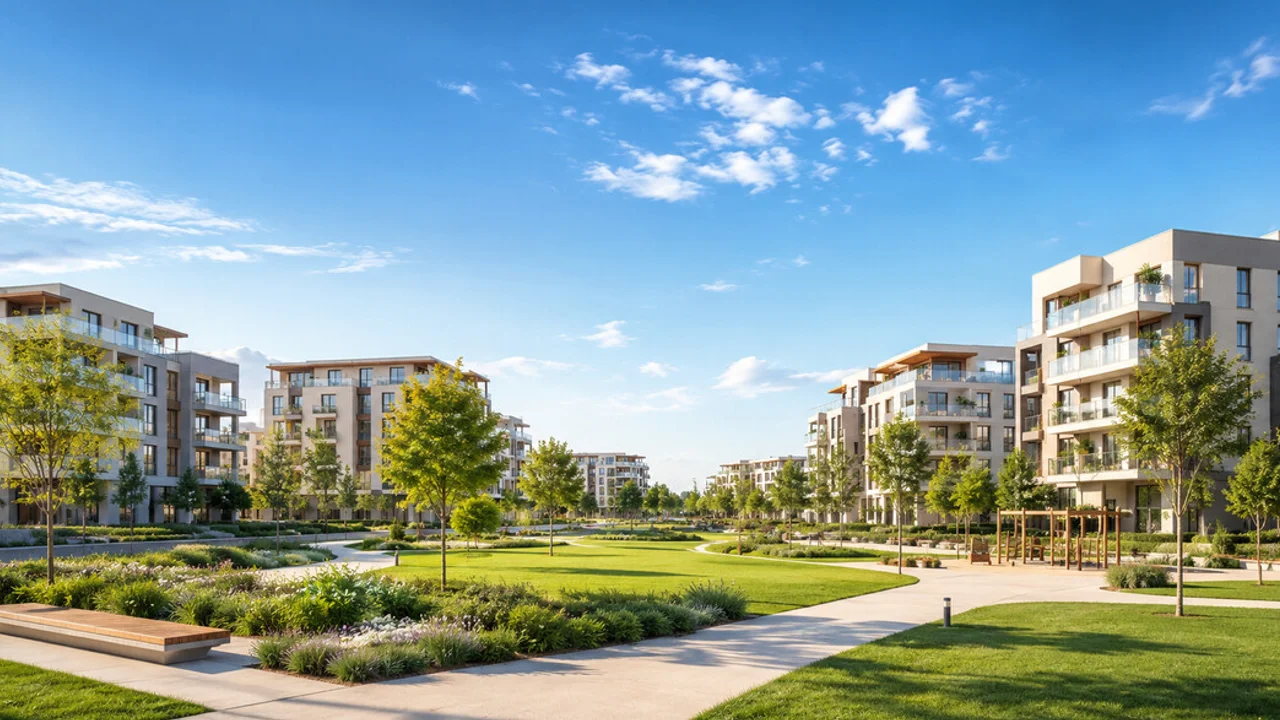
Gindi Holdings Defends Decade-Long Payment Deferral as Housing Demand Persists
Gindi Holdings vice president of sales Shlomy Banzur discusses current real estate market trends, innovative financing incentives, and the company's conservative growth strategy.
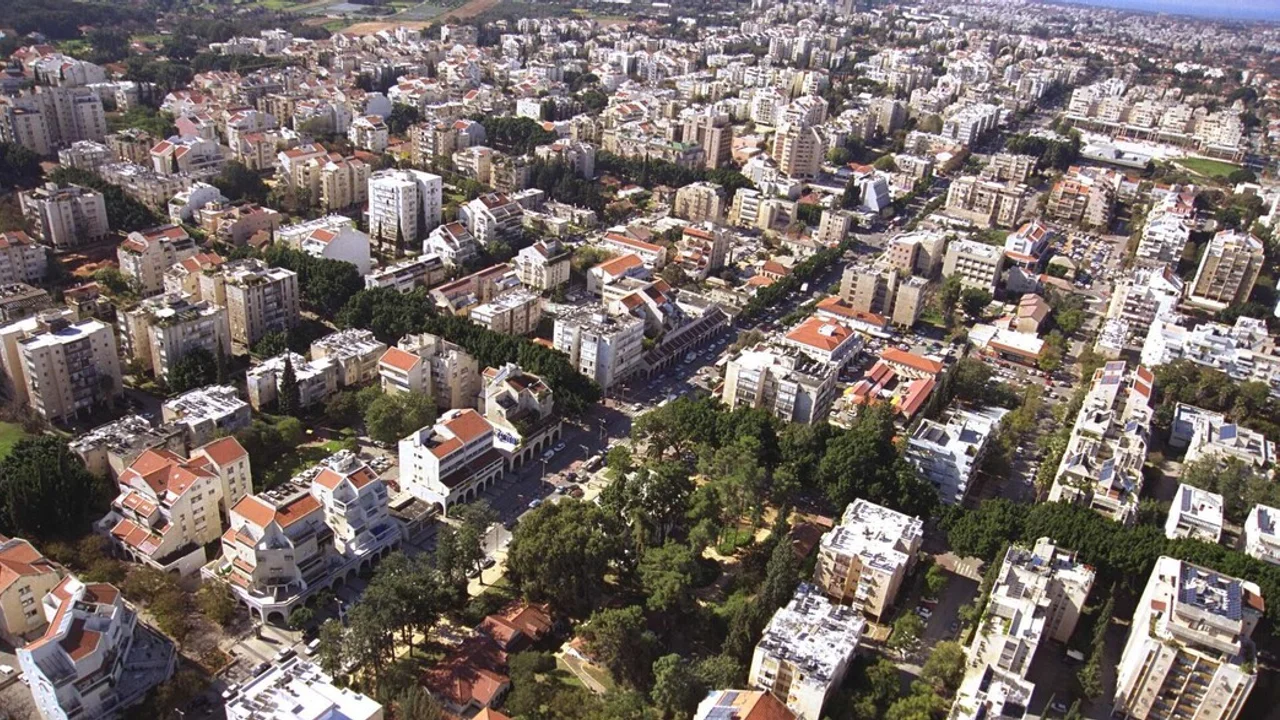
Despite a prevailing market slowdown and cautious sentiment among prospective buyers, Gindi Holdings maintains an optimistic outlook on the Israeli residential real estate sector. Shlomy Banzur, the company's vice president of sales with two decades of experience at the firm, argues that the current sluggishness stems primarily from psychological atmosphere rather than structural economic barriers.
According to Banzur, elevated interest rates do not deter motivated buyers as significantly as prevailing public mood. Drawing parallels to 2009, when interest rates hovered around 7% amid robust housing demand, he notes that high rental costs across the country continue to push renters toward homeownership. Furthermore, the number of apartments offered through Israel Land Authority tenders has dropped by roughly 50% since the beginning of the year, signaling an inevitable supply crunch in the coming years.
Financing Innovations and Calculated Risks
To navigate the current market environment without lowering base prices, Gindi Holdings recently introduced an unprecedented financing package. The promotion allows buyers to defer 900,000 shekels of a new apartment's purchase price for a decade following key handover, completely free of interest and linkage. Banzur defends the initiative as a calculated business decision rather than a reckless gamble, emphasizing that lending banks are actively involved and all purchasers undergo rigorous affordability assessments.
"I don't see any abnormal risk in this move, but rather a calculated business decision that creates a significant advantage for buyers. Financing partners are involved in the process, and every purchaser undergoes a thorough financial viability assessment from day one."
Banzur notes that buyers are not legally locked into holding the property for the full ten years; they can sell the unit earlier, settle the remaining balance, or transfer the arrangement to a future property acquisition.
Conservative Strategy and Rejection of Public Listing
Operating with a strict conservative ethos, Gindi Holdings deliberately avoids large-scale land banking or public stock exchange listings. Founded in 1999 by the five children of Yigal Gindi, the company focuses exclusively on executing a few massive residential complexes simultaneously—typically projects exceeding 500 units—before rapidly cycling capital into new ventures.
Banzur explains that the founding family has no intention of taking the company public on the stock exchange, as doing so would risk relinquishing direct operational control. By maintaining zero leverage and keeping active sales offices to a manageable minimum, the firm successfully minimizes holding costs and passes operational savings directly onto customers, averaging between 1,200 and 1,400 apartment sales annually.
Market Dynamics and Sde Dov Expansion
Addressing activity in high-demand urban centers, Banzur highlights robust performance in locations such as Sde Dov, where remaining inventory commands approximately 70,000 shekels per square meter including value-added tax. Despite wartime disruptions in mid-2025 that temporarily closed sales offices, the firm managed to sell 140 apartments during that period and 670 units across a two-month span, proving that core demand remains resilient.
Regarding the broader housing market and government-sponsored discounted housing initiatives like "Buyer Resident" (Mahir LaMishtaken), Banzur suggests that future state programs should distribute subsidies more broadly across a larger pool of young couples rather than granting massive windfalls to a select few. As consumer behavior evolves toward greater caution and reliance on external financial advisors, sales strategies must adapt through transparent pricing and creative, personalized financing structures to bridge the gap between hesitation and homeownership.