Bentley's New Luxury Electric SUV Sold Out Through 2027 Amid High Demand
Bentley's upcoming luxury electric SUV faces unprecedented demand, with production quotas sold out through 2027 and waiting lists extending into 2028 despite a $222,500 starting price.
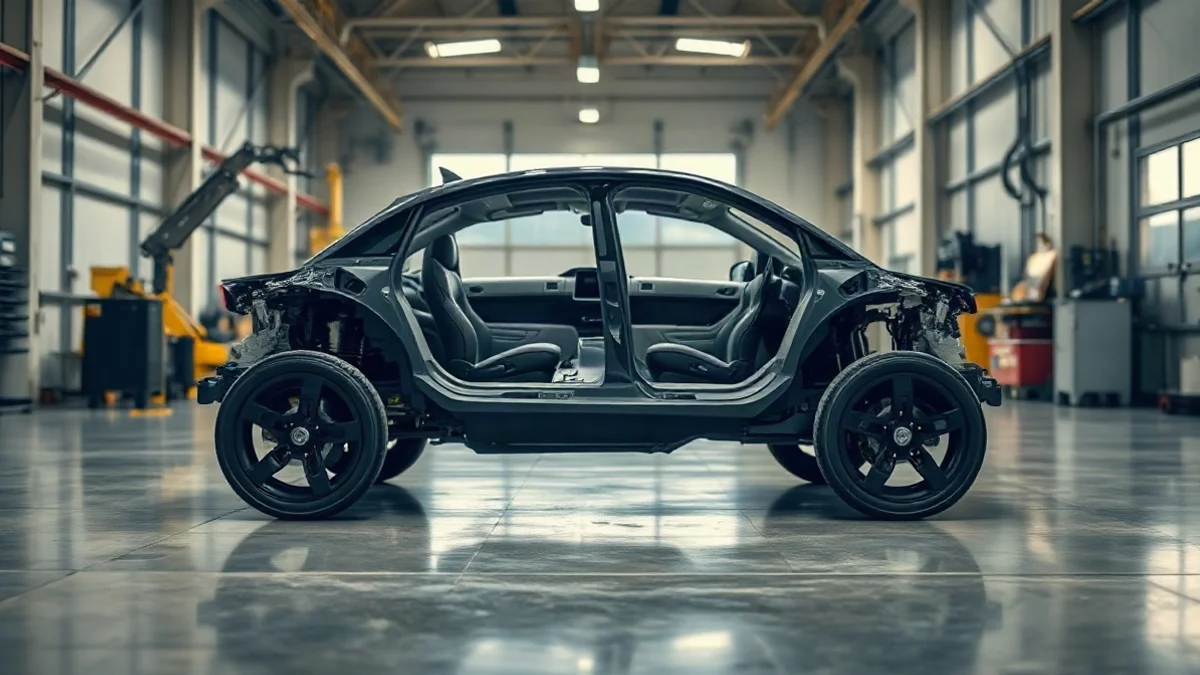
British luxury car manufacturer Bentley is preparing for a historic transition into the electric vehicle market with an upcoming luxury SUV that blends traditional craftsmanship with advanced propulsion technology. According to recent industry reports, customer demand for the new model has already surpassed projected production capacities, leaving prospective buyers facing waiting lists stretching until 2028.
The vehicle carries a starting price of approximately $222,500, with top-tier trims approaching $301,000. Despite these high price tags, all planned manufacturing quotas through the end of 2027 have reportedly been fully reserved by eager buyers.
Technical specifications indicate the luxury electric SUV will feature a 113 kWh battery pack, delivering an estimated driving range of 603 kilometers alongside ultra-fast charging capabilities of up to 400 kilowatts. Furthermore, the available variants are expected to produce between 810 and 876 horsepower, positioning the vehicle among the most powerful all-electric sport utility vehicles currently on the market.
This pivotal launch comes during a challenging operational period for Bentley. The company recorded a 17% decline in sales during the first nine months of 2026, accompanied by a sharp contraction in overall profits. Against this backdrop, the introduction of a high-performance electric flagship serves as a critical strategic initiative aimed at capturing new demographics and reinforcing the brand's competitive edge in the elite luxury segment.
Nevertheless, analysts emphasize that genuine commercial success will ultimately depend on actual delivery volumes and profit margins rather than advance orders alone. Even with robust preliminary demand, legacy luxury automakers navigating electrification face hurdles including steep development expenses, intensifying market competition, and the challenge of preserving their signature driving dynamics.