Virgin Galactic Set to Begin Delta-Class Glide Tests in January
Virgin Galactic prepares to launch crucial glide tests for its new Delta-class spacecraft in January, marking a major milestone toward resuming commercial space tourism flights.
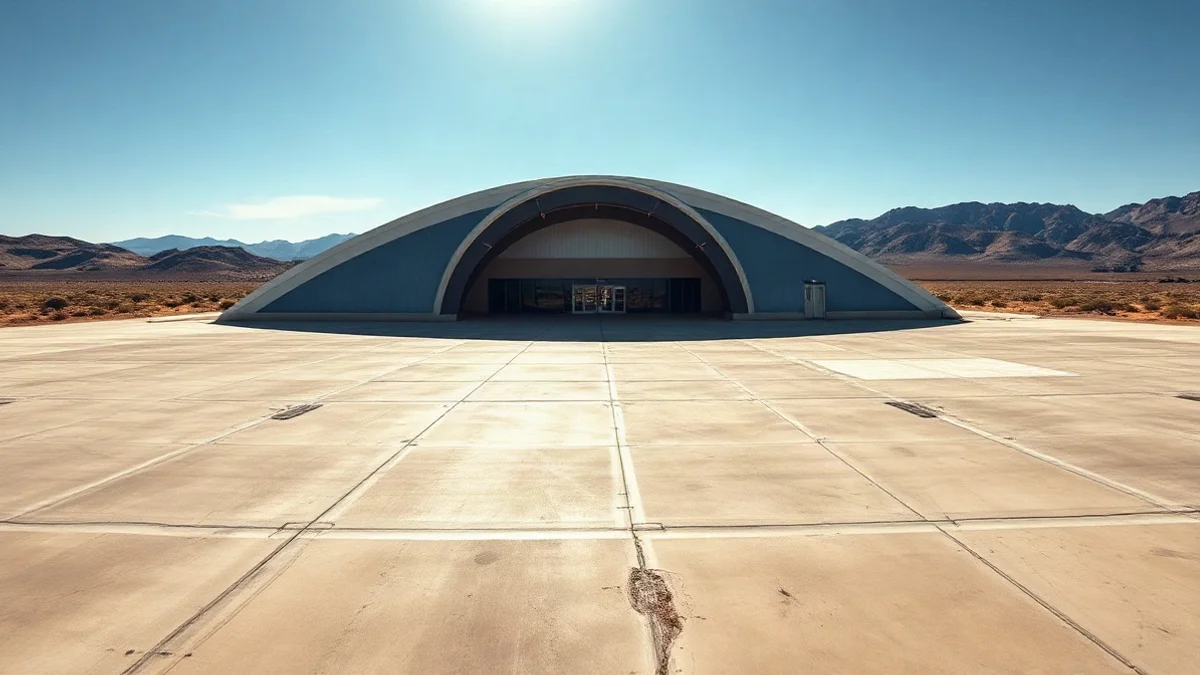
Following a prolonged operational suspension and massive capital investments in development, space tourism company Virgin Galactic is preparing to launch a critical series of glide flights for its new Delta-class spacecraft in January. This milestone marks a pivotal step toward resuming commercial suborbital flights to the edge of space.
Since grounding its legacy VSS Unity spacecraft in mid-2024, the company has redirected its complete focus and funding toward building the next generation of vehicles. While the older aircraft functioned primarily as an expensive prototype capable of flying only once every few weeks, the Delta-class fleet is engineered for continuous commercial operations. The new craft accommodate six passengers compared to the previous four, feature advanced composite materials, and support a rapid turnaround schedule enabling up to two flights per week per vehicle.
Mechanics of a Glide Flight
Virgin Galactic employs an air-launch system utilizing its Spaceport America facility in New Mexico. During the initial phase, a massive carrier aircraft designated as VMS Eve lifts the spacecraft to an altitude of approximately 15 kilometers before releasing it into the atmosphere.
During the glide tests scheduled for January, the Delta spacecraft will not ignite its rocket motor, but will instead glide back to Earth and touch down on the runway. The objective of these trials is to evaluate the aerodynamic capabilities of the new aircraft under real-world conditions, test control and steering systems, verify the unique feathering wing mechanism that stabilizes the vehicle during atmospheric re-entry, and assess landing performance ahead of introducing rocket propulsion.
Financial Stakes and Industry Competition
The upcoming January tests represent a crucial credibility test for the enterprise founded by Richard Branson. Amid the absence of commercial flights over the past two years, Virgin Galactic sustained heavy financial losses and expended hundreds of millions of dollars on research, development, and the construction of an assembly facility in Arizona.
Should the glide tests conclude successfully, the company will advance to powered flight tests reaching suborbital space, followed by reopening operations for paying customers and scientific research missions. Hundreds of space tourists who pre-purchased tickets priced between 450,000 and 600,000 dollars per seat, alongside company investors, will closely monitor the January trials as Virgin Galactic attempts to secure its financial recovery and renew competition against Jeff Bezos's rival firm, Blue Origin.