U.S. House Bill Targeting West Bank Violence May Impact Israeli Ministers
Over 200 U.S. lawmakers support a bill imposing personal sanctions on figures linked to West Bank violence, potentially impacting Israeli ministers as early as 2027.
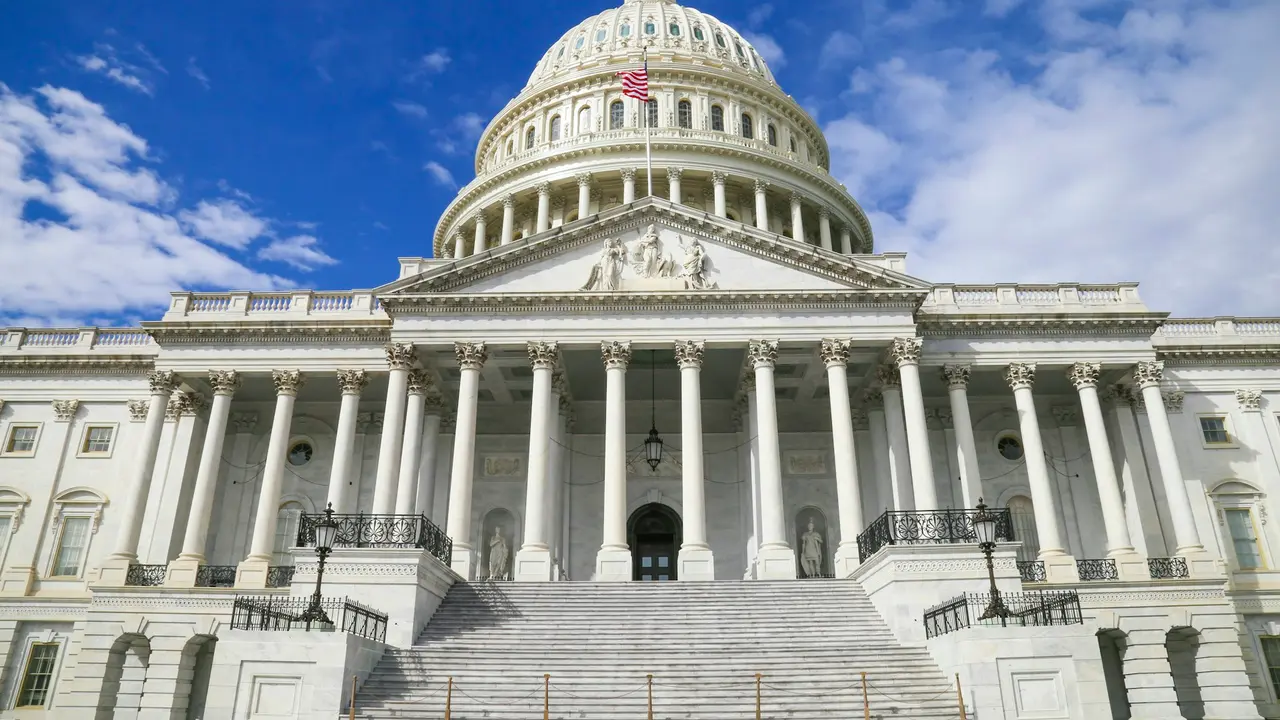
More than 200 members of the U.S. House of Representatives, including Republicans, are backing bipartisan legislation that would impose personal sanctions on individuals involved in West Bank violence, potentially affecting Israeli government ministers and officials. According to congressional sources, the bill is expected to pass the House during the first quarter of 2027, with uncertainty remaining over whether it could be blocked in the Senate or vetoed by President Donald Trump.
Scope and Implications of the Legislation
The proposed measure seeks to reinstate the sanctions regime established by the administration of former President Joe Biden, which President Trump rescinded upon taking office. The bill includes asset freezes and U.S. entry bans, extending to government officials responsible for policies encouraging violence or failing to enforce the law. While individual Israeli ministers are not explicitly named in the draft, their inclusion would depend on U.S. determinations under established Treasury Department criteria. Financial institutions in Israel and abroad may also restrict accounts belonging to sanctioned individuals to comply with regulatory oversight.
Legislative Path and Additional Proposals
Incoming House Democratic Leader Hakeem Jeffries has pledged to advance the bill within the first 100 days of the new Congress. In the outgoing Congress, the measure drew support from 174 Democrats, alongside 60 members representing the pro-Israel establishment within the party. A companion bill in the Senate, spearheaded by Senators Chris Coons and Cory Booker, has 45 Democratic signatories. Passing the legislation over a potential presidential veto would require a two-thirds majority in both chambers of Congress.
Simultaneously, lawmakers are advancing other legislative initiatives, including the Stop Settlements Act, which proposes sanctions on entities involved in settlement construction and a ban on settlement goods in the U.S. Market, and a separate Senate bill targeting infrastructure development in the E1 corridor. Meanwhile, 12 senators led by Senator Chris Van Hollen have urged congressional leaders to remove provisions from the 2027 security legislation that expand bilateral cooperation in defense research, artificial intelligence, and intelligence sharing, citing concerns over oversight regarding Prime Minister Benjamin Netanyahu's proposed transition from traditional military aid to a bilateral defense partnership.