Ben Gurion Airport Sees 60% Weight Surge in Air Cargo Amid E-Commerce Boom
Maman Group reports a 27% surge in e-commerce parcels at Ben Gurion Airport, with total cargo weight jumping 60% as Israeli consumers ramp up holiday shopping ahead of year-end promotional events.
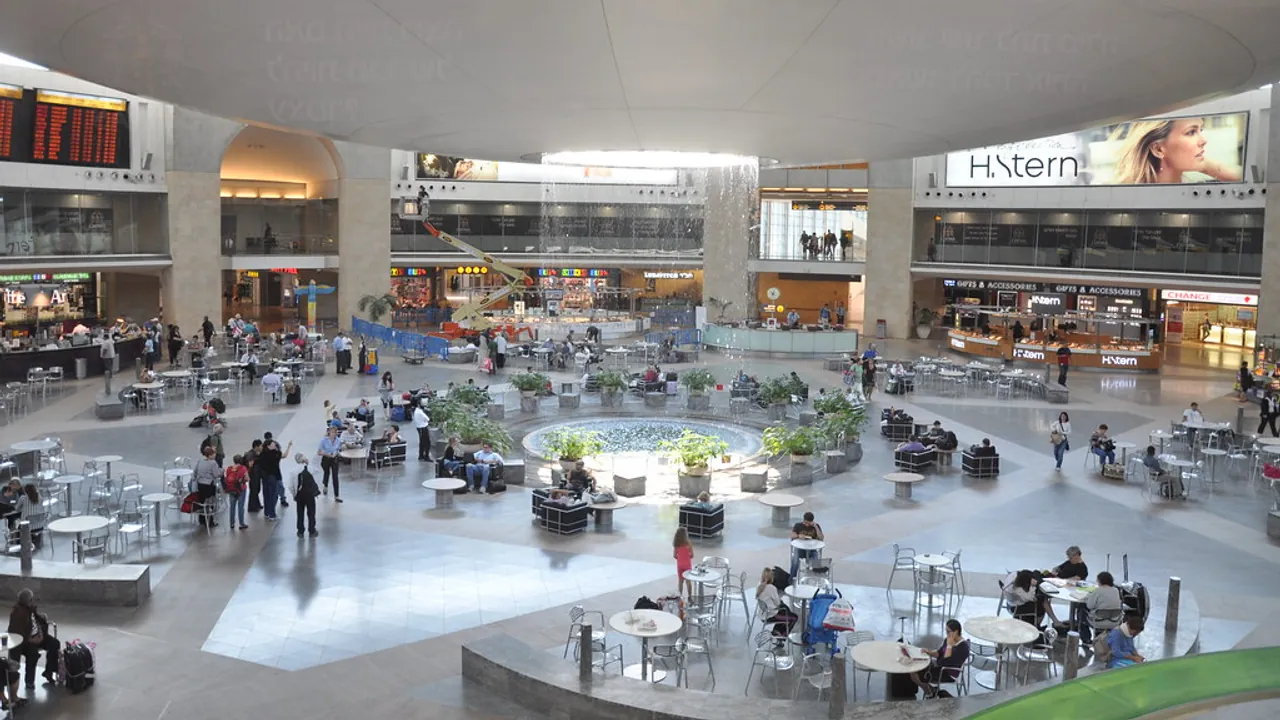
Israeli consumers have dramatically ramped up their online shopping activity, driving a massive surge in air cargo volumes at Ben Gurion International Airport heading into the peak holiday shopping season. Data released by Maman Group, which operates the airport's air cargo terminal, reveals that approximately 619,000 e-commerce parcels passed through the sorting center between the start of November and mid-November, marking a 27% increase compared to the same period last year.
The unprecedented order volume created severe daily peaks, with the terminal processing roughly 70,000 packages on a single morning—more than double the monthly daily average of 30,000 parcels. Maman anticipates handling close to two million packages across November and December combined, a significant jump from 1.3 million last year, and projects finishing 2026 with an estimated nine million total parcels.
Weight Surge and Shifting Consumer Habits
Alongside the jump in package quantity, the total weight of e-commerce cargo experienced a 60% spike, reaching approximately 930 metric tons compared to 580 metric tons in the previous year. This translates to a 25% increase in the average package weight, climbing from 1.2 kilograms to 1.5 kilograms. Industry executives attribute this trend to heightened consumer confidence in ordering from abroad, leading to bulkier, more concentrated purchases ranging from winter apparel for the entire family to small kitchen appliances.
"We view this as a clear sign of a return to regular shopping routines," said Oren Sandrosi, CEO of Maman's Air Cargo Terminal at Ben Gurion Airport. "We estimate that some customers are bringing forward purchases out of concern over potential price hikes at the beginning of 2027, while others still see the current exchange rate of the dollar as an opportunity to secure favorable prices. Our target is to complete sorting within four hours of an aircraft landing, for which we have implemented all necessary technological upgrades."
Dominance of Chinese E-Commerce Giants
An analysis of the parcels handled at the Maman terminal highlights the near-total dominance of Chinese online marketplaces in the Israeli market, collectively accounting for 70% of all inbound e-commerce packages. Shein leads the market with 26% of the packages, followed closely by Temu at 23%, and AliExpress taking third place with 21%. Far behind are ASOS with 14%, iHerb with 9%, and Amazon with 5%. Consequently, Asia's share of Israel's inbound air cargo surged from 72% last year to 90% this year.
Reflecting these robust figures, AliExpress reported a more than 30% increase in Israeli sales during the Singles' Day shopping event between November 1 and November 17, compared to the corresponding period in 2025, buoyed by an extended promotional window that kicked off at the beginning of the month. Top-performing categories among Israeli shoppers included home appliances, interior design items, and Judaica products. Major technology brands, including Xiaomi, Lenovo, UGREEN, BASEUS, and 70mai, posted sales growth exceeding 100%.
A prominent driver this season was the expansion of the "Ship from Israel" local shipping category through a partnership between AliExpress and Xiaomi's authorized franchisee in Israel. This arrangement enabled local consumers to purchase robotic vacuum cleaners, smartphones, tablets, and smart locks from domestic inventories, receiving deliveries within three to five business days. The company's global shopping festival runs through December 3, encompassing both Black Friday and Cyber Monday promotions.