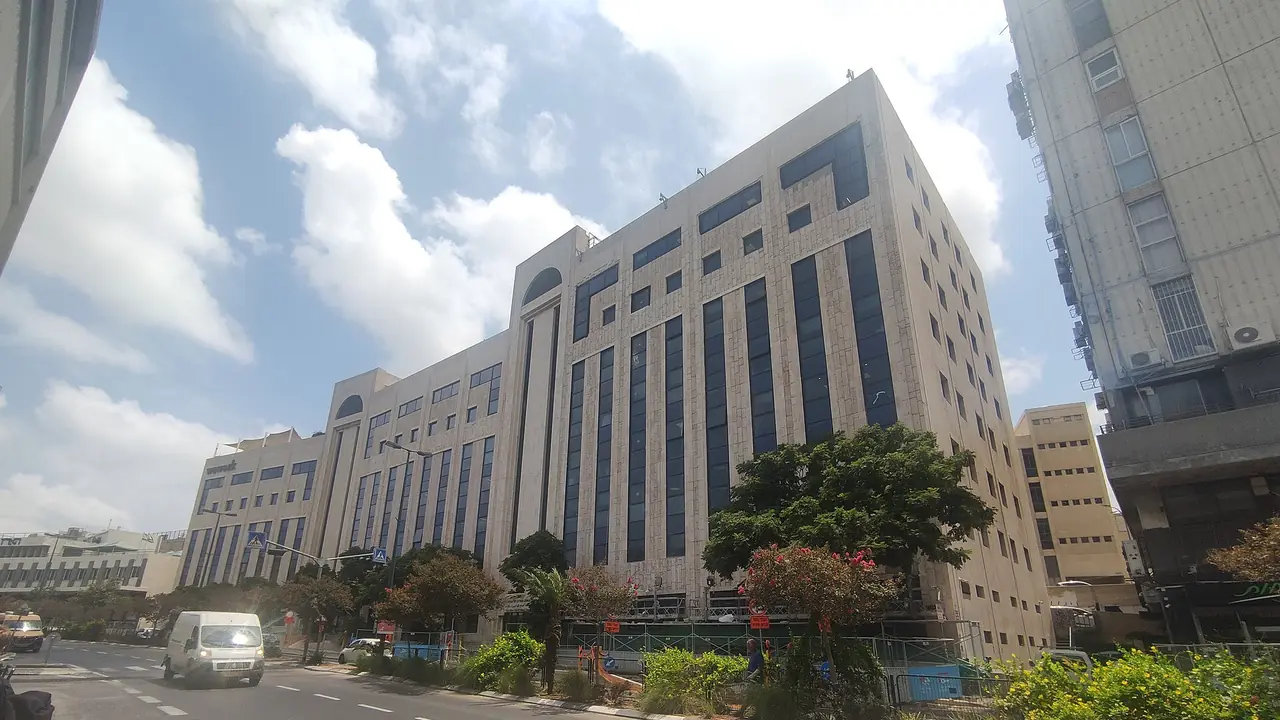
Court Rules Beit Shemesh New Country Club Must Feature Mixed Swimming Hours
The District Court ruled that the new country club in Beit Shemesh's Neve Shamir neighborhood must include gender-mixed operating hours, striking down a municipal plan for full segregation.
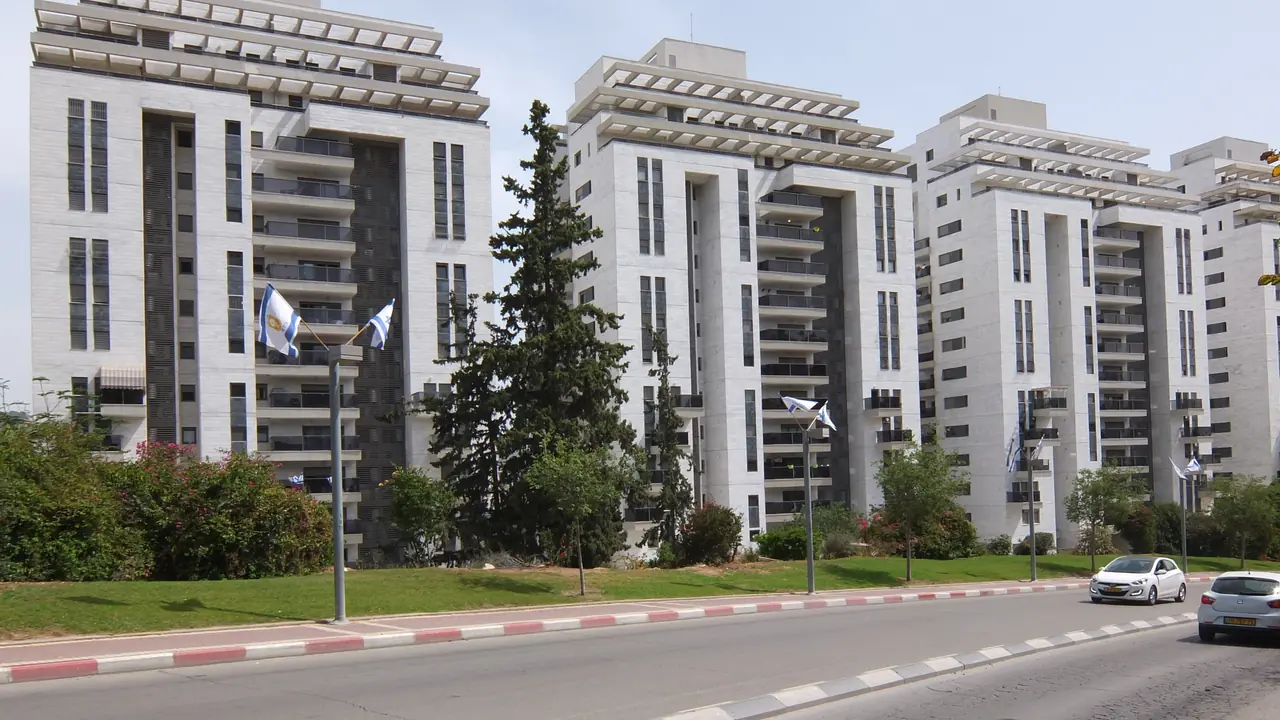
The District Court has ruled that the newly constructed country club in the Neve Shamir neighborhood of Beit Shemesh must offer gender-mixed operating hours, striking down the municipality's decision to enforce full gender segregation across all facilities throughout the week.
Legal Challenge and Neighborhood Context
Presiding as an administrative court, Judge David Ziller ruled in favor of four local residents—Idan Botbul, Regev Yisrael Botbul, Gal Lahmani, and Talia Lilach Shemesh—who filed a petition represented by attorney Eli Botbul. The petitioners, some of whom identify as religious, challenged the municipal plan to operate the seven-dunam complex exclusively under complete gender segregation for pools, fitness rooms, saunas, and classes, without any family or mixed hours. Neve Shamir was originally planned and marketed for the secular and traditional general public as Beit Shemesh experienced demographic shifts toward an ultra-Orthodox majority, where roughly 90.8% of current first-grade students enroll in ultra-Orthodox educational streams.
Municipal Arguments and Court Findings
The municipality defended its policy by pointing to the city's broader demographics—where roughly 52.5% of the 200,000 residents are under 18—and argued that roughly 70% of fifth-grade students in municipal swimming programs attend institutions that forbid mixed-gender pools. City officials also maintained that families could use the older municipal country club on Ben Eliezer Street, which accommodates both segregated and mixed hours. However, Judge Ziller rejected these arguments, citing precedent from the High Court of Justice regarding public pools in Kiryat Arba, which established that full gender segregation in public facilities constitutes a narrow exception that cannot be imposed by a majority to exclude a minority without extraordinary justification.
Procedural Flaws and Trial Period
The court identified multiple administrative flaws in the municipality's decision-making process, noting that the original decision lacked documented rationale, the municipal steering committee kept no protocols, and economic assessments were drafted only after the policy was set. Furthermore, the court distinguished the case from a recent ruling involving Bnei Brak, where extensive surveys, expert economic advice, and rabbinical positions justified full segregation from the outset. Judge Ziller did not mandate a specific ratio of mixed versus segregated hours, leaving the allocation to the municipality while pointing to the older country club as a baseline. The court ordered a two-year trial period starting from the facility's upcoming opening, after which the city may re-evaluate the arrangement upon providing thirty days' advance notice.
Following the verdict, the petitioners' legal counsel emphasized the broader implications of the decision:
"The court ruled on the obvious—a distinct segment of the public cannot be marginalized and excluded from public services in a city they helped build. This ruling offers an opportunity to demonstrate that diverse populations can coexist despite ideological gaps, and we urge the Beit Shemesh municipality to act fairly and comply with the judgment."
In response to the ruling, the Beit Shemesh municipality stated that it has received the judgment, will review it in depth, and will determine its next steps accordingly.