Israel Sees Surge to 100,000 Hostility Victims as Support Systems Adapt
With nearly 100,000 terror victims in Israel, the Organization of Victims of Hostilities is expanding national support, pushing for bureaucratic reforms, and launching rehabilitation programs.
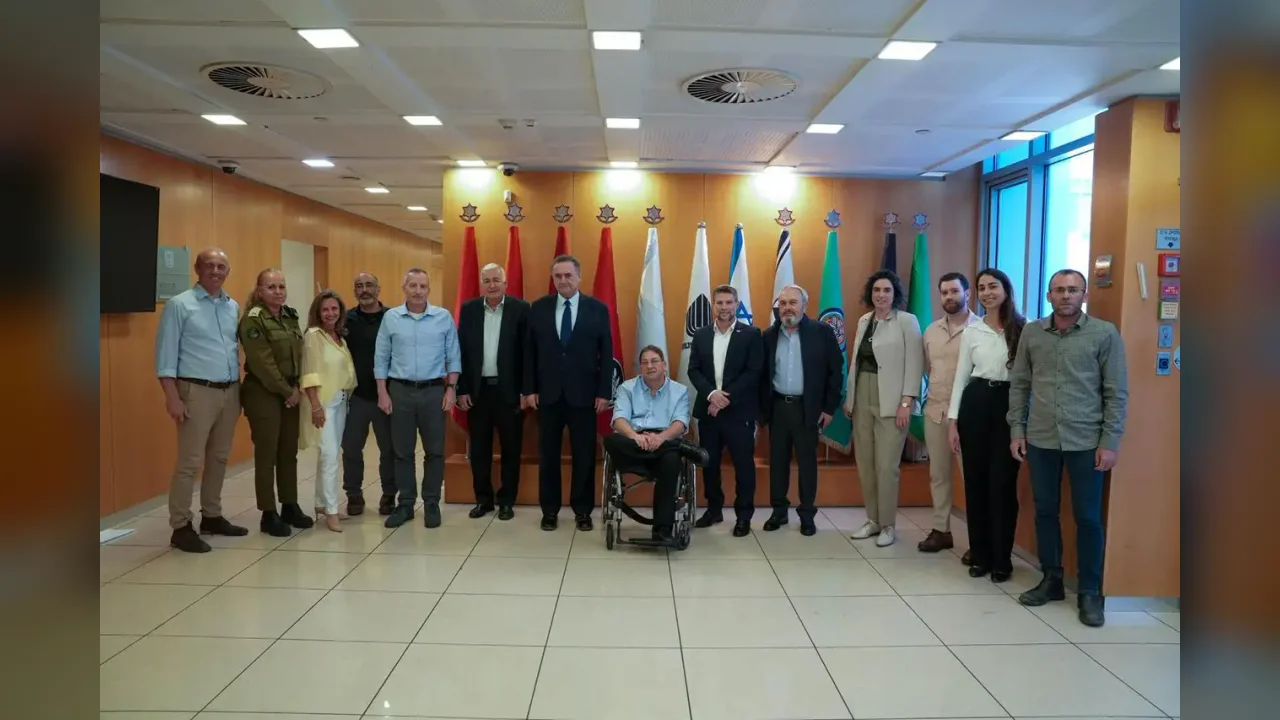
Nearly 100,000 Israeli citizens are registered as victims of hostilities, a sharp surge from the roughly 16,000 recorded prior to October 7, 2023. Out of this total, approximately 49,000 individuals have been assigned an official disability rating, with many enduring severe psychological injuries that remain invisible to the naked eye. Ahead of the national recognition day for wounded IDF veterans and victims of hostilities, the Organization of Victims of Hostilities is scaling up its operations to meet unprecedented demand.
Expanding National Support Amid Bureaucracy
Established as an association in 1984 and officially recognized as the representative body in 1998, the organization assists victims and bereaved families in securing their rights through the National Insurance Institute and other institutions. In the immediate aftermath of the October 7 attacks, the organization opened a dedicated command center to manage the influx of frantic inquiries. Attorney Inbar Chen-Meiri, acting CEO of the organization, emphasized that recognition is merely the starting point of a long journey.
"The recognition of the injury is the starting point. It is certainly not the finish line," Chen-Meiri noted.
Today, the organization advocates for systemic reforms, including the establishment of a single centralized state authority to handle all victim affairs, eliminating the need for traumatized citizens to navigate complex bureaucratic channels across multiple agencies. Furthermore, the organization is pushing for a secure, permanent state budget, noting the current disparity compared to the well-funded systems supporting military veterans through the Ministry of Defense.
Rehabilitation, Sports, and Employment
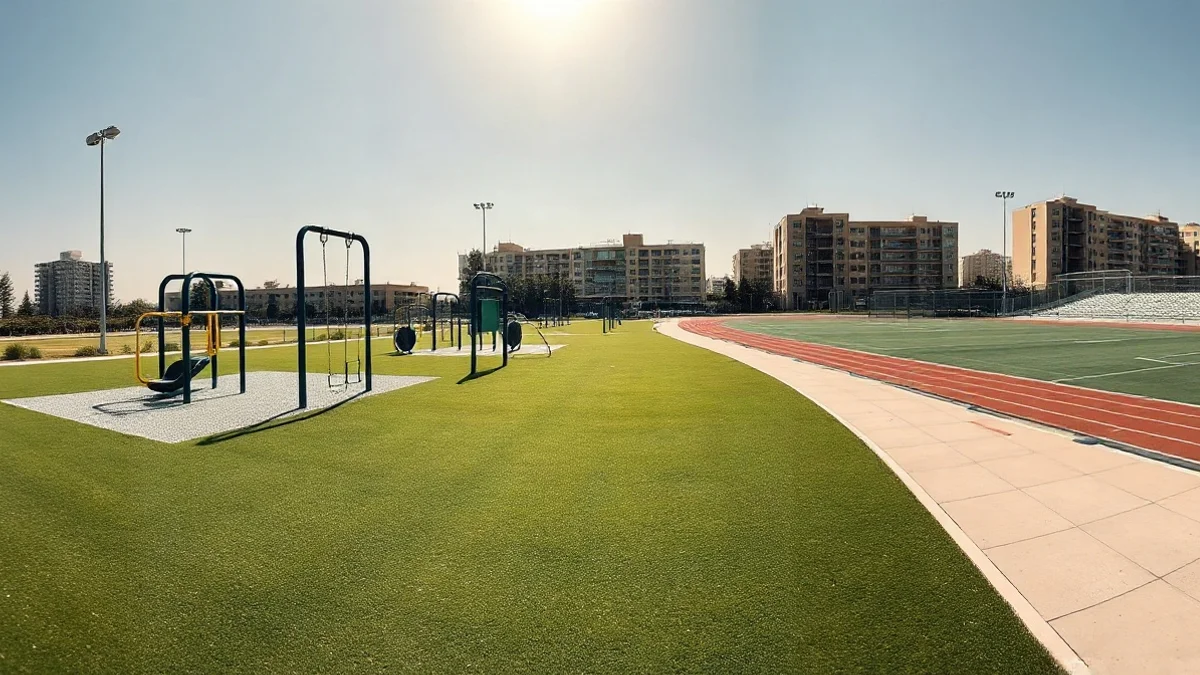
To address rehabilitation gaps, the organization has partnered with National Insurance funds to launch seven mind-body-spirit centers, with a long-term vision of constructing dedicated rehabilitation facilities modeled after the Beit HaLochem centers. Recognizing that isolation is one of the most significant challenges for trauma survivors, the organization is also establishing running groups across the country, aiming to help participants gradually return to physical activity and community life with the ultimate goal of competing in the Tel Aviv or Jerusalem marathons.
Employment reintegration remains another critical hurdle. Many recent victims hold temporary disability ratings and fear losing their financial security or dropping to lower stipends if they attempt to return to work and struggle. The organization is actively campaigning for flexible rehabilitation models that encourage people to test their capabilities without risking their financial safety nets, alongside a new standard certification for employers to facilitate supportive workplace environments.
Addressing Isolation and Expanding Legal Definitions
Combatting loneliness and building peer communities are central pillars of the organization's current strategy. By partnering with grassroots survivor groups born out of the October 7 events—such as Nova festival survivors and bereaved sibling associations—the organization aims to build a robust support network. Additionally, leadership is pushing for legislative amendments to expand legal recognition to individuals who suffered profound psychological distress through vicarious exposure, such as viewing graphic media of loved ones, even if they were not physically present at attack sites.
Heading the organization is Avi Moses, who lost his pregnant wife, Ofra, and his son, Tal, in a 1987 terrorist attack, while he and his two other children sustained severe injuries. Drawing from his own decades of recovery, Moses urged new survivors to persevere.
"I know firsthand that rehabilitation is not a one-day journey, but a daily, Sisyphean struggle to rise from the fracture and choose life anew," Moses said.