Tel Aviv Approves Beit Romano Plan Featuring 50-Story Towers
The Tel Aviv District Committee approved the Beit Romano master plan, featuring historic preservation alongside 50-story residential and commercial towers.
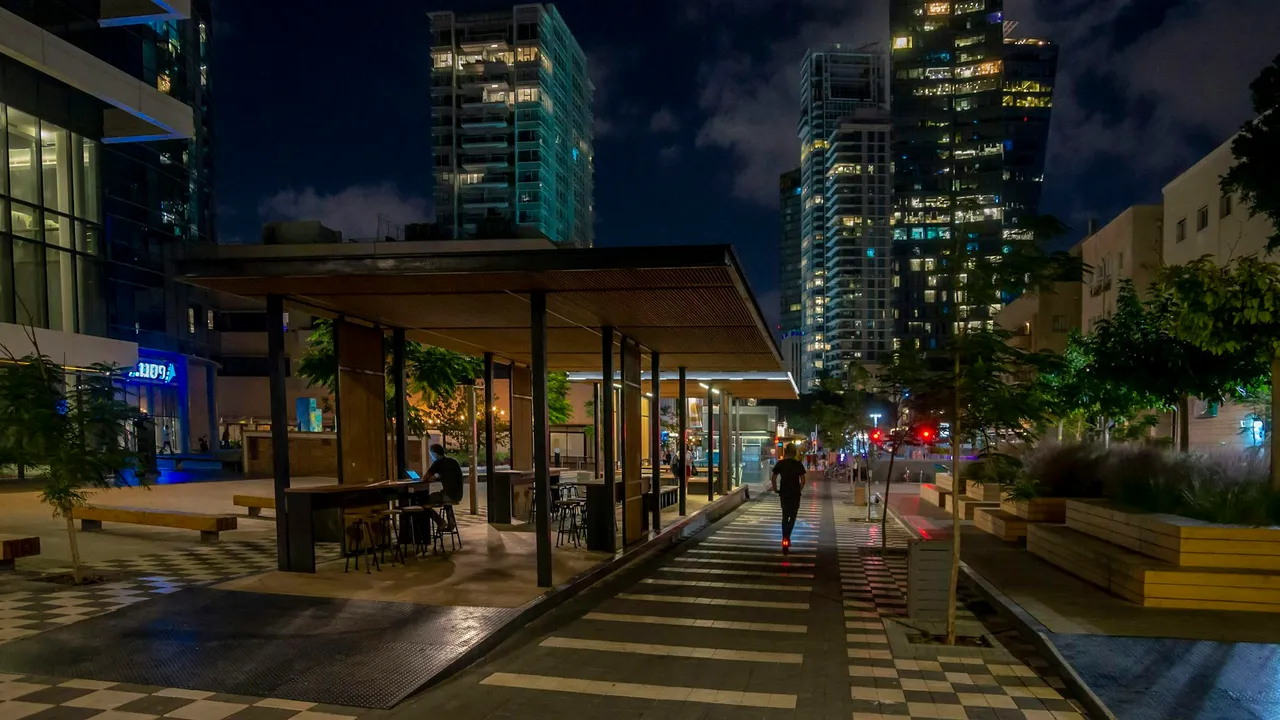
The Tel Aviv District Planning and Building Committee has officially approved the master plan for the historic Beit Romano and adjacent compounds in southern Tel Aviv. The project includes transferring spaces within the historic structure for public use, alongside the addition of residential, commercial, and employment building rights. Construction in the eastern compounds will reach approximately 50 floors.
Spanning about 11.2 dunams, the plan encompasses Beit Romano on Jaffa Road, the nearby Niva-Gat Rimon complex, and the Menachem Begin 64 compound in the Hassan Arafa space. According to the Planning Administration, the project will add approximately 240 apartments, including affordable housing, along with about 3,500 square meters of commercial and employment space, alongside dedicated public areas.
This addition builds upon numbers approved in previous phases. Documents presented to the Local Committee in 2023 detailed an addition of 238 apartments in the Niva-Gat Rimon complex, bringing the total there to 381 units. Residential construction will be concentrated in plots adjacent to Beit Romano, while public uses will be centralized within the historic building itself.
The core of the initiative involves transferring Beit Romano to public ownership and use in exchange for supplementary building rights in projects developed by Y-Box. According to company reports, public spaces originally planned for the Gat Rimon compound will be shifted to Beit Romano, while residential rights will be expanded in Gat Rimon and Beit Brin. Employment rights are concurrently being added in the Hassan Arafa complex.
From Textile Center to Public Hub: The History of Beit Romano
Built in the 1940s on 9 Jaffa Road, Beit Romano originally served as a four-story commercial structure surrounding an inner courtyard, hosting textile trade operations and government offices. Over recent years, the building has evolved into a vibrant hub for culture, leisure, and creativity alongside its traditional commercial functions.
Municipal documents indicate that upon its establishment, the structure housed some 300 shops alongside public institutions, including Ministry of Defense and IDF administrative units, the Tel Aviv District Attorney's office, and income tax offices. In later decades, the complex became primarily identified with clothing and fashion retail.
The newly approved regulations are designed to preserve this dynamic cultural activity under the framework of public use. Special adaptive reuse regulations will govern the existing structure while protecting its architectural characteristics. The Planning Administration stated that the goal is to safeguard the unique character that has developed at the site over decades.
In addition to utilizing the existing building, the plan permits new vertical construction above it, provided that the additions respect Beit Romano's historic volume, inner courtyard, and open public passages. These pathways connect Jaffa Road to the south, the Park HaMesila to the north, and Beit HaBad Alley to the east, remaining permanently open to the public.
The preservation framework also includes two additional historic structures within the Niva-Gat Rimon complex: Beit Ponrov and Beit Brin, both designated for preservation under the municipal master plan and integrated with high-rise residential and commercial development.
Y-Box completed its acquisition of Beit Romano in 2022 for approximately 371 million shekels, excluding VAT and linkage differentials, according to its annual reports. Following local and district committee advancements between 2023 and 2025, the district committee has now granted final validation to the plan.
Tel Aviv District Planner Erez Ben Eliezer noted that the plan serves as a cornerstone in realizing the regeneration vision for the HaMesila corridor and the Hassan Arafa area, successfully bridging urban heritage preservation with intensive metropolitan development.