K-Beauty Wave Disrupts Global Cosmetics Giants as Israeli Retailers Invest Millions
South Korea's booming K-Beauty cosmetics industry is disrupting traditional luxury brands in Israel and globally, offering innovative skincare products for 40 to 80 shekels as major local retailers rush to stock the trend.
The global beauty industry is undergoing a seismic shift as K-Beauty, South Korea's booming cosmetics sector, challenges traditional Western luxury brands with innovative formulations at a fraction of the cost. For decades, consumers accustomed to paying hundreds of shekels for French and American skincare creams assumed that higher price tags guaranteed superior quality. Today, dynamic social media campaigns on platforms like TikTok have propelled South Korean skincare into the mainstream, captivating a younger demographic of consumers and disrupting legacy giants such as L'Oreal and Estee Lauder.
Exploding Market Growth and Price Disruption
South Korea has transformed from a heavy industrial powerhouse into the world's second-largest exporter of cosmetics after France, reaching a record export volume of $12 billion projected through 2026. In the United States, imports from South Korea surpassed French cosmetics for the first time, surging by 41% in the first half of 2026. This meteoric rise is driven by three core pillars: accessible pricing ranging between 40 and 80 shekels per product, advanced product innovation utilizing exotic ingredients like snail mucin, salmon seed extract, ginseng, and fermented rice, and strong government backing paired with viral marketing.
Major international conglomerates are responding to the pressure through acquisitions, with L'Oreal acquiring South Korean firm Gwen Sisang Cosmetic in 2024 and Estee Lauder purchasing Dr. Jart. "The Koreans are the nightmare scenario for selective cosmetics selling products for hundreds of shekels," noted Adam Friedler of Good-Pharm. "The Korean innovation is shattering the hundreds-of-shekels price paradigm, and luxury brands are clearly taking a hit."
Israeli Retailers Rush to Capture the Trend
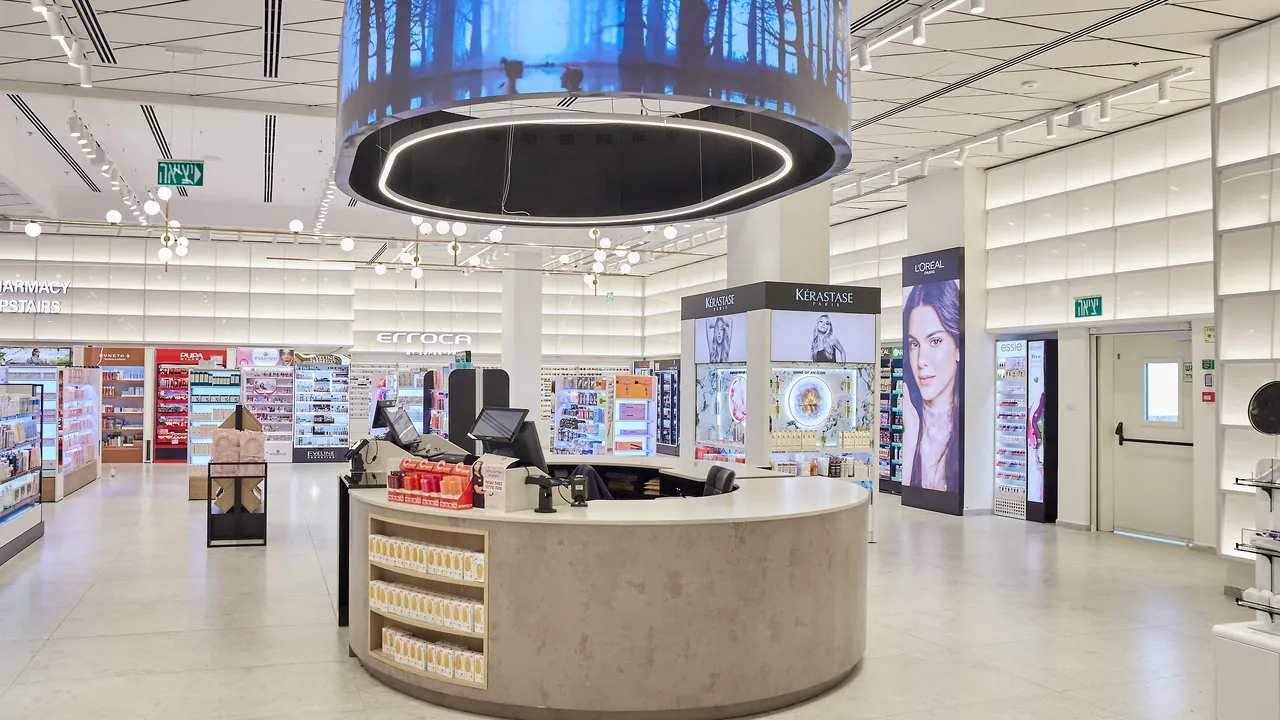
Israeli retail chains are rapidly expanding their inventories to accommodate soaring consumer demand. Super-Pharm, a pioneer in introducing the trend locally, now stocks over 40 Korean brands, with category sales exceeding 200 million shekels annually. The retail chain recently expanded its offering by launching a new hair care and restoration category featuring seven prominent South Korean brands at an exhibition courtyard in Tel Aviv. Similarly, Be Pharm, operating under Shufersal, dedicated an entire wall display to Korean skincare at its newly opened branch in Lev HaMifratz Mall, focusing heavily on scalp care and the popular "glass skin" aesthetic.
Other prominent market players are making multi-million investments to secure their market share. Castro plans to invest 60 million shekels to establish 25 specialized stores under the "Moyda Korean Beauty" brand, following an agreement with Silicon 2, a South Korean cosmetics distributor traded publicly with annual sales of $1 billion. Meanwhile, HaStok invested 5 million shekels to enter the category, offering prices up to 30% lower than competing drugstore chains and reporting sales of over 13,000 items within five days of launch. Lilith Cosmetics has secured the exclusive Israeli distribution rights for Amorepacific, South Korea's largest cosmetics enterprise, while discount retailer Rami Levy and KSP online are also expanding their Korean product portfolios.
Industry Outlook and Consumer Reception
Biomedical engineer and cosmetic content creator Dekel Vered Katz advises consumers to evaluate products based on active ingredients rather than social media hype alone, noting that while exceptional serums and sunscreens exist within the K-Beauty sector, product quality still varies. Industry experts emphasize that the shift represents a permanent psychological transformation in consumer habits rather than a fleeting digital fad, as shoppers increasingly prioritize formula transparency over celebrity endorsements and multi-million-dollar marketing budgets.