Israeli Banks Refund 37 Million Shekels After Regulatory Probe Into Fees and Fraud
A regulatory review of public inquiries reveals that major Israeli banks and financial firms refunded 37 million shekels to a quarter of a million clients, following systemic probes into unauthorized fees, hidden negative interest, and disputed fraud claims.
The Supervisor of Banks released a comprehensive public inquiries review covering the years 2024 and 2025, exposing questionable practices across major financial institutions. Regulatory intervention into roughly 30 systemic cases forced banks and credit card companies to refund approximately 37 million shekels to about a quarter of a million customers.
Improper Fees and Negative Interest Practices
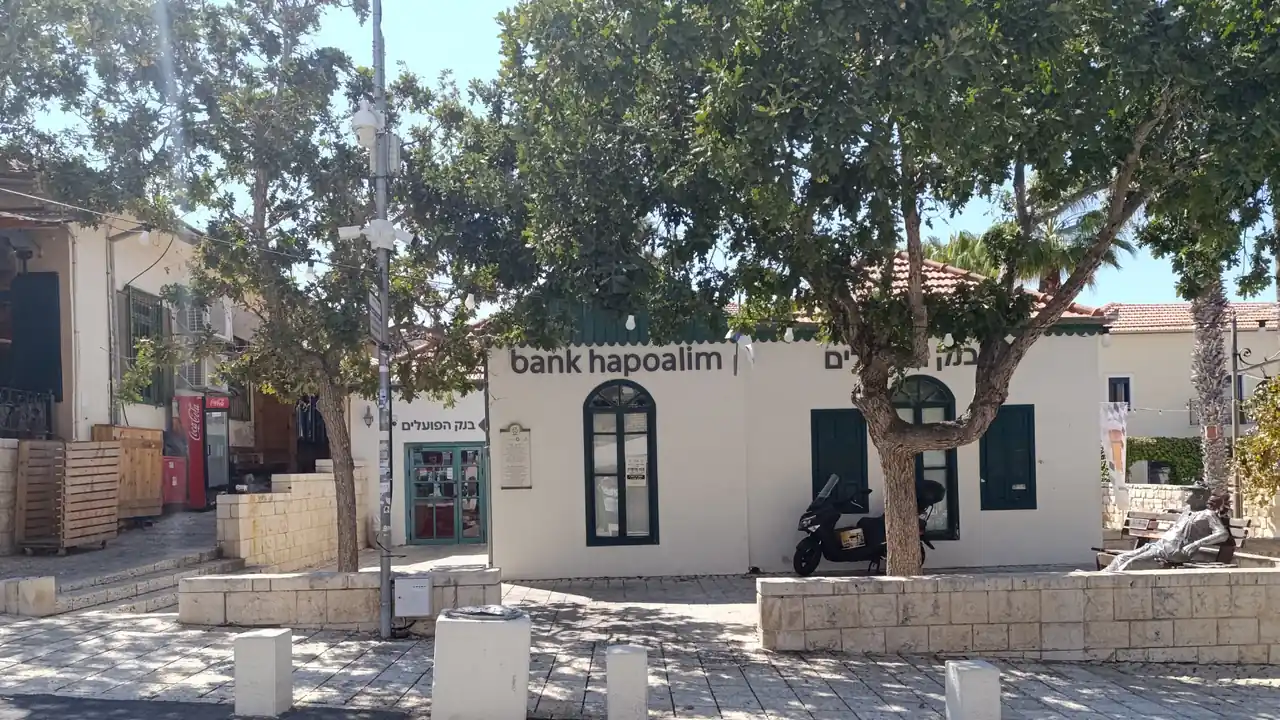
Among the most concerning findings, Bank Hapoalim collected account fees from deceased customers for producing and mailing statement documents as well as for credit allocation. Because the account holders had passed away, these routine charges continued without anyone being able to cancel them. Following regulatory intervention, Bank Hapoalim refunded about 800,000 shekels to roughly 4,000 accounts for statement fees, and about 42,000 shekels to some 1,900 accounts for credit allocation fees. The bank confirmed it has permanently discontinued charging these fees on deceased accounts.
In a separate issue, Bank Leumi charged negative interest on positive foreign currency current account balances without providing prior notice to customers. The regulator determined that even customers who received some form of notification could not clearly understand the nature of the charges. Bank Leumi subsequently returned approximately 7.9 million shekels to around 8,900 customers.
Fraud Handling and SMS Scams
Financial fraud emerged as a primary risk focus in the banking sector, generating roughly 850 complaints during the 2024 and 2025 period, with individual losses frequently ranging from tens of thousands to hundreds of thousands of shekels. More than half of all systemic refunds originated from regulatory corrections regarding how institutions handled fraud claims.
Bank Hapoalim and Max previously rejected compensation claims for unauthorized ATM withdrawals, arguing that customers either made the withdrawals themselves or transferred their cards and PINs to third parties. The regulator ruled that this interpretation violates the Payment Services Act and cannot serve as grounds for blanket claim rejections. Consequently, Bank Hapoalim reassessed cases and refunded about 11.5 million shekels to roughly 1,550 customers, while Max returned approximately 280,000 shekels to about 70 clients.
Similarly, Isracard and Max dismissed compensation requests from clients who entered details via links in SMS messages disguised as legitimate businesses. The regulator established that customers remain entitled to compensation under the Payment Services Act under such circumstances. Isracard returned about 1.8 million shekels to some 570 clients, while Max refunded approximately 1.7 million shekels to about 1,000 customers.
Supervisor of Banks Daniel Hahiashvili noted that during the review period, roughly 37 million shekels were returned to a quarter of a million clients, largely driven by systemic processes initiated by individual complaints.
Complaint Metrics Across Banks
The review also detailed public complaint volumes handled by bank ombudsmen, reflecting institutional size. Bank Hapoalim recorded 13,499 complaints, Bank Leumi logged 8,225, First International Bank registered 7,671, and Discount Bank handled 7,531. Adjusting for market share, First International stood out with a ratio of 1.5, followed by Discount at 1.3, Bank Hapoalim at 1.1, Mizrahi-Tefahot at 0.8, and Bank Leumi at 0.7.
Regarding the proportion of complaints deemed justified by the regulator, First International led the major banks at 34 percent, representing 30 out of 88 adjudicated complaints. Bank Leumi followed at 29 percent, Discount at 28 percent, Bank Hapoalim at 22 percent, and Mizrahi-Tefahot at 15 percent, against an average of 26 percent.