Bank of Israel Faces Complex Rate Decision Amid Inflation and Currency Shifts
The Bank of Israel faces a complex interest rate decision as low inflation favors monetary easing while a weakening shekel and shifting US policies complicate the outlook.

The Monetary Committee of the Bank of Israel is scheduled to announce its benchmark interest rate decision. This upcoming ruling presents a uniquely complex dilemma for policymakers, who must weigh cooling domestic inflation figures against escalating pressures from global financial markets, a weakening shekel, and shifting monetary expectations in the United States.
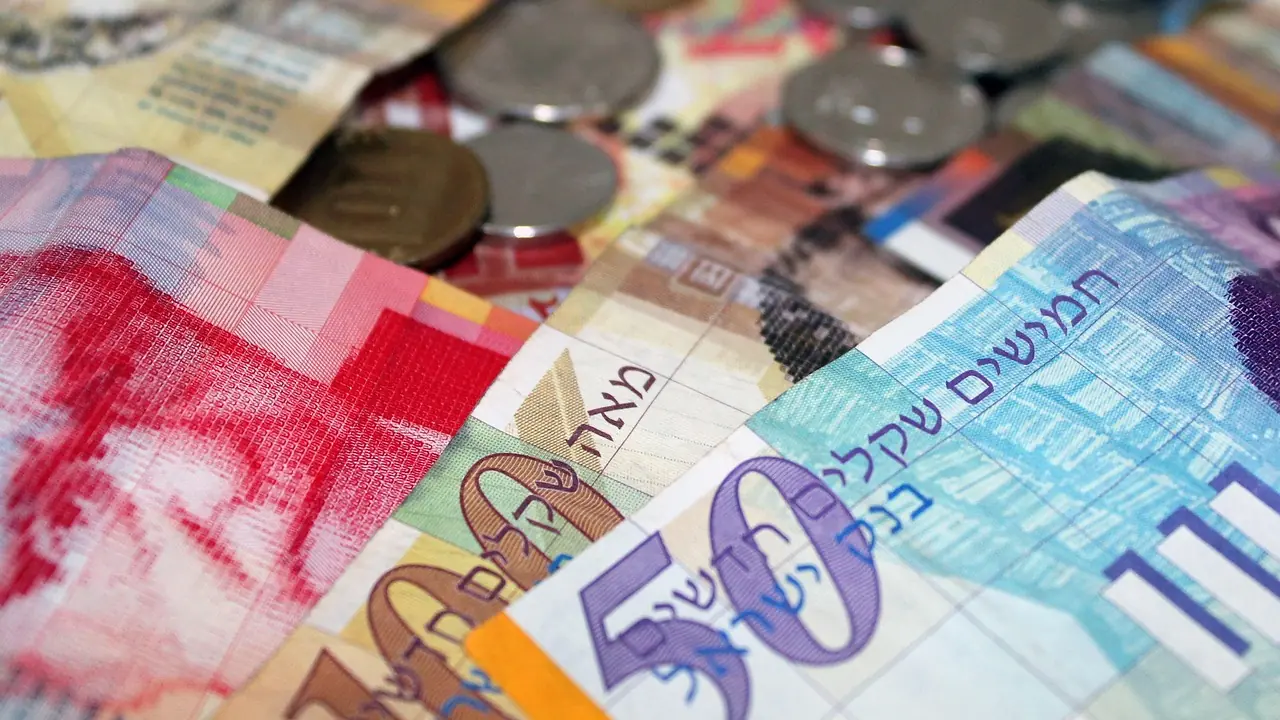
On the inflation front, consumer price index readings for October ticked down by 0.1%, placing annual inflation at a modest 1.1%—the lowest level recorded since April 2021. However, opposing pressures have mounted rapidly in the currency exchange markets, where the US dollar strengthened by approximately 6.7% over a three-week span, moving from an exchange rate of 3.12 shekels at the end of October to around 3.33 shekels. This notable appreciation of the dollar directly drives up import costs and threatens to reignite inflationary momentum throughout the domestic economy.
International Divergence and Banking Sector Impact
Contrasting monetary trajectories between jurisdictions complicate the central bank's calculus even further. While the Bank of Israel contemplates easing borrowing costs, financial markets price in a probability exceeding 90% that the US Federal Reserve will raise interest rates during its upcoming December meeting. A widening interest rate differential resulting from a domestic rate cut alongside an overseas hike could exert intense depreciation pressure on the shekel, leaving market analysts deeply divided on the eventual outcome.
The repercussions of prior monetary easing are already clearly visible in corporate financial statements. The five largest banking institutions in Israel reported a combined net profit of roughly 8.1 billion shekels for the third quarter, marking a 6% decline compared to the same period in the previous year. Four out of the five major lenders registered profit contractions, largely driven by lower net interest income stemming from earlier reductions in the benchmark interest rate.
For instance, Bank Hapoalim reported a 4% drop in ordinary financing income compared to the corresponding quarter last year. These figures underscore the far-reaching influence of monetary policy, which extends far beyond mortgage borrowers and corporate balance sheets to impact bank profitability and equity investors.
Direct Consequences for Mortgages and Real Estate
The pending policy decision carries direct implications for capital markets and the residential real estate sector. Lowering borrowing costs would reduce financing expenses for corporations, particularly construction firms, while easing the burden on mortgage holders. A quarter-percentage-point reduction would lower the prime interest rate from 4.75% to 4.5%. For a standard 25-year mortgage of one million shekels tied to the prime track, such an adjustment translates to a monthly savings of approximately 140 shekels in repayments.
Conversely, maintaining the interest rate at its current level risks disappointing investors who anticipated imminent relief in credit conditions. Ultimately, the Bank of Israel must navigate a delicate balance between benign domestic inflation that favors monetary relaxation and mounting concerns over currency depreciation and renewed price pressures.