Writer Claims Azerbaijani President Prioritizes Ties with Israel Over Turkey
Azerbaijani writer Abbas Ahadov has criticized President Ilham Aliyev, claiming he prioritizes ties with Israel and the US over Turkey, threatening bilateral relations.
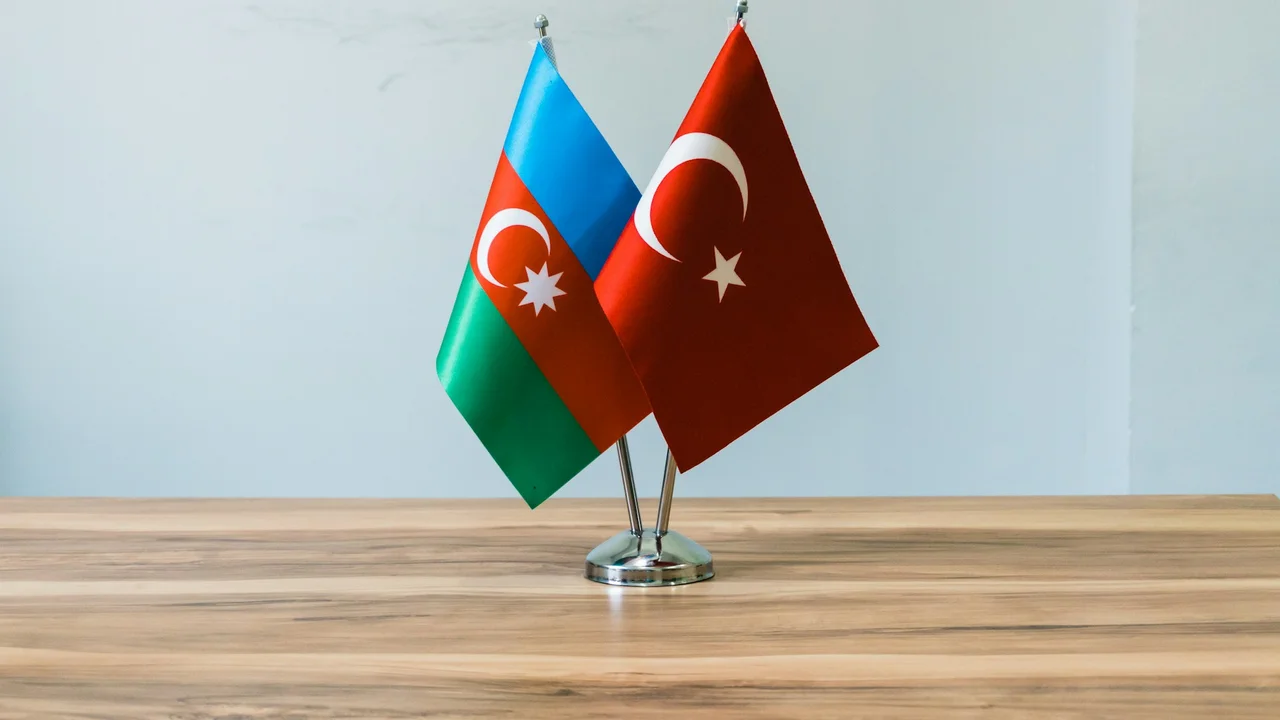
The close alliance between Turkey and Azerbaijan, often described as "two states, one nation," is facing sharp domestic and regional criticism following claims by Azerbaijani writer Abbas Ahadov. According to statements published on the social media account of the TÜRK AVAZ network, Ahadov asserted that Azerbaijani President Ilham Aliyev harbors deep reservations about Turkey and its leadership, prioritizing strategic ties with Israel and the United States instead.
Ahadov pointed to previously leaked diplomatic cables published by WikiLeaks, which allegedly revealed that Aliyev expressed discomfort during a meeting with an American official regarding the Islamist identity of Turkish President Recep Tayyip Erdogan, as well as Ankara's staunch support for Palestinians in the Gaza Strip. The writer argued that this purported friction was concealed for nearly two decades solely due to pragmatic political and economic interests of the Azerbaijani leadership.
Furthermore, the criticism addresses the outcome of the 2020 Nagorno-Karabakh war. While international observers widely acknowledge that Turkish military backing was crucial to Baku's victory, Ahadov claimed that Aliyev sought to claim sole credit for the military success while marginalizing Ankara's contributions. Concurrently, Baku has deepened its defense and technological cooperation with Israel, a major arms supplier, utilizing these ties to strengthen its standing with Washington.
Ahadov warned that Aliyev's policies risk inflicting long-term damage on fraternal relations between the two nations for short-term political gains. "Aliyev is jeopardizing Azerbaijani-Turkish relations just to protect his power in the short term," he was quoted as saying. He added that healing the diplomatic and social fissures caused by this strategic realignment will require considerable time even beyond the current administration.