Ayala Hasson and Kan Broadcaster Clash Escalates Over Censorship Row
The dispute between journalist Ayala Hasson and the Kan public broadcaster escalated after a heated radio interview and social media disclosures. Kan condemned her remarks, while Hasson published WhatsApp leaks alleging management imposed a dictated apology.
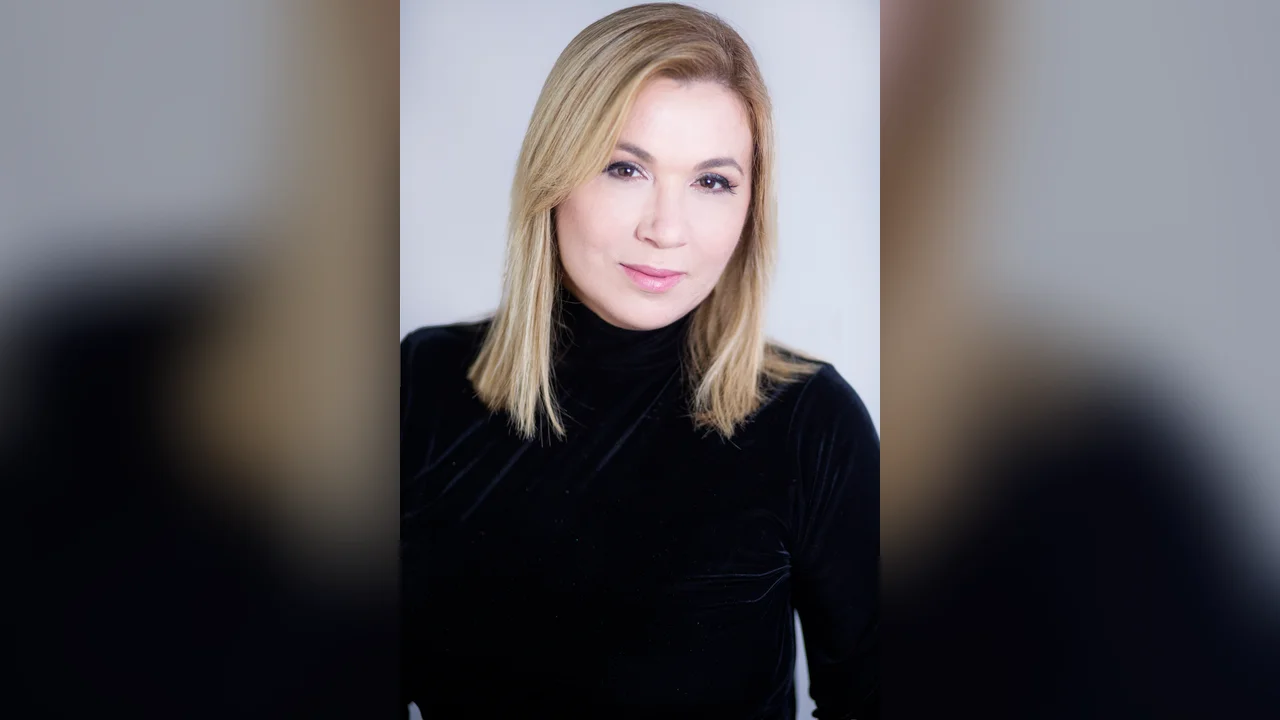
The public dispute between prominent journalist Ayala Hasson and the Israeli Public Broadcasting Corporation (Kan) escalated significantly over the weekend. The rift deepened following a Friday interview on Galei Yisrael radio, a sharp rebuttal from Kan, and subsequent social media disclosures by Hasson featuring WhatsApp exchanges.
The Radio Broadcast and Emotional Appeal
Speaking on Galei Yisrael on Friday morning, Ayala Hasson delivered a passionate defense of her journalistic independence. "This is the struggle, and this voice will not be silenced, my voice will not be silenced," Hasson declared on air, breaking down in tears as she recalled her three-year daily advocacy for soldiers, hostages, and bereaved families. "No bolshevik will silence me, and no politicization will silence me."
Kan Corporation's Response
In a strongly worded statement released on Saturday night, the public broadcaster condemned Hasson's remarks and allegations against management. Kan asserted that no one dictated an apology to her, explaining that drafts were exchanged until Hasson voluntarily announced on social media that she would not appear on air. The corporation emphasized its commitment to free speech and professional independence while offering full backing to News Division Deputy CEO Lior Landenberg following severe threats and incitement directed at him over the weekend.
WhatsApp Evidence and Accusations
Rejecting the corporation's stance, Hasson published screenshots of her WhatsApp correspondence with Landenberg to substantiate her claims. The messages show Landenberg writing: "If you do not intend to read this apology, I ask that you notify me as soon as possible so I can prepare a broadcast alternative." Hasson argued this proves management imposed a dictated script rather than a mutually agreed text.
"The response distributed today by the Israeli Public Broadcasting Corporation is false, and the matters are backed by explicit correspondence," Hasson wrote, accusing management of selective enforcement and double standards.
Background of the Crisis
The crisis erupted following two controversial statements made by Hasson regarding Bedouin women and alleged voting irregularities in the Arab sector. Although the internal ethics committee accepted her public apology, tensions peaked when Landenberg demanded an on-air retraction in Israeli media to uphold professional and ethical standards, leading to the current standoff.