Ariel Daycare Abuse Scandal Exposes Systemic Oversight and Camera Failures
Parents of toddlers at an Ariel daycare center reveal severe oversight flaws and surveillance gaps after an indictment detailing hundreds of assaults by staff members.
Uncovering Systematic Failures at an Ariel Daycare Center
Parents whose children attended the Lutsik day care center in Ariel are speaking out about systemic oversight failures following the filing of a severe indictment against the facility's management and staff. Last year, parent Leon Faigin recalled being told by the daycare director that an inspector was scheduled to visit on a specific Thursday. At the time, Faigin welcomed the check, but in hindsight, he questions the effectiveness of inspections announced days in advance.
Another parent, Korel Engel Habusha, enrolled her daughter based on glowing recommendations from friends. While initial behavioral signs like night wakings and separation anxiety seemed normal for her daughter's age, reading the specific charges in the indictment left her questioning how warning signs were missed. The criminal case was initiated after an animal-assisted therapy instructor witnessed a caregiver placing a toddler into a dark room and reported it, eventually leading to police intervention.
Indictment and Regulatory Oversight Gaps
On November 8, the prosecution filed an indictment against the daycare director and two caregivers, detailing hundreds of alleged assaults and abuses involving 17 infants and toddlers. Following the exposure, parents expressed shock that routine supervisory visits were regularly coordinated in advance rather than conducted as unannounced spot checks. According to a state comptroller report published in June, the Ministry of Education failed to mandate a fixed frequency for inspection visits. During the 2023-2024 academic year, zero supervisory visits were conducted at 329 out of approximately 2,400 inspected daycares across the Tel Aviv, Haifa, and Jerusalem districts.
Inspectors possess the legal authority to enter facilities and demand documentation, and the law requires the immediate issuance of an administrative shutdown order if children face imminent danger. However, staffing shortages severely limit oversight capabilities. Faigin emphasized that staffing quotas must be expanded, and urged authorities to incorporate random checks of surveillance footage into routine supervision even before a formal complaint is lodged.
Surveillance Vulnerabilities and Legal Limits
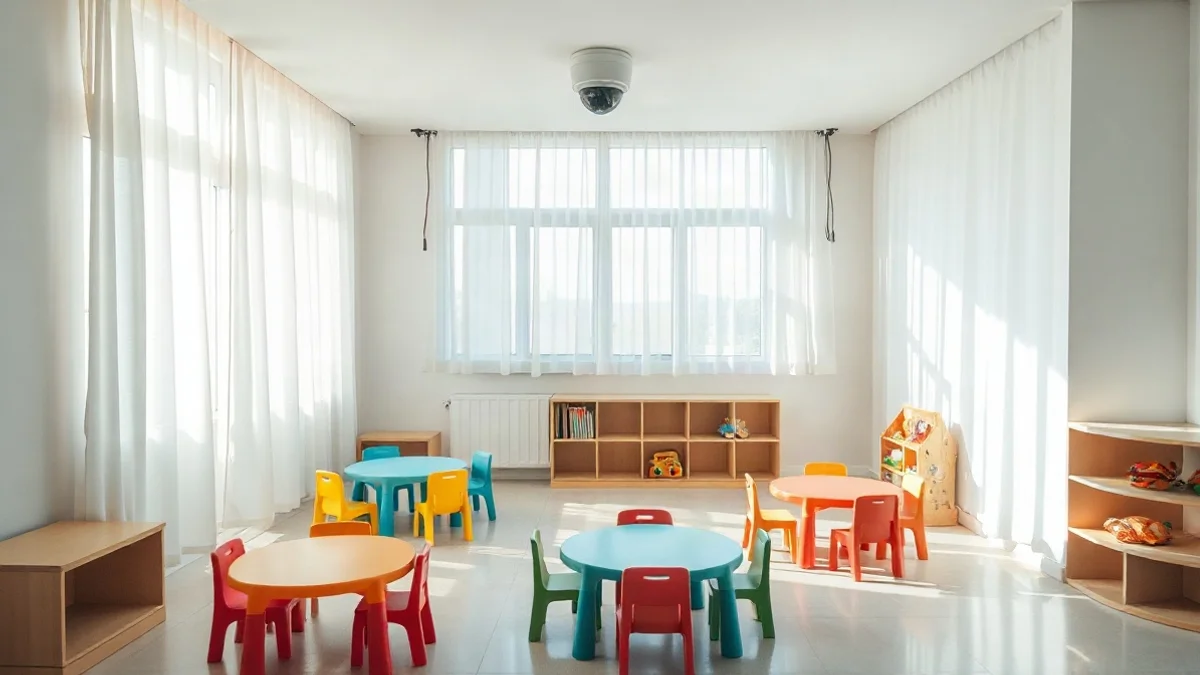
Under Israel's daycare cameras law, operators must install recording systems to document daily activities. While these cameras serve as a vital protective tool, compliance audits from the 2023-2024 academic year revealed at least one technical malfunction impacting video documentation in 27 percent of the 3,321 facilities examined. Furthermore, roughly 14 percent of inspected daycares failed to retain recordings for the statutory 30-day period.
Existing legislation mandates that surveillance footage be deleted automatically after 30 days to balance child safety with employee and infant privacy rights. A legislative amendment proposed in 2024 seeks to extend retention to 60 days. Parents point out that a 30-day window creates a dangerous loophole, as complaints filed more than a month after an incident occur after evidence has vanished. In the Ariel case, investigators managed to retrieve footage from January, a fortunate exception that enabled prosecutors to build a robust indictment.
Demands for Enhanced Staff Training
In addition to tougher surveillance rules, parents are calling for comprehensive improvements in pedagogical training and operational standards. Current regulations require four hours of monthly guidance led by an educational mentor, but parents argue that training must address fundamental daily interactions. Engel Habusha stressed that basic caregiving practices, such as respectful feeding and diaper changing techniques, must be explicitly taught.
Reflecting on the emotional toll of the scandal, parents admit that trust in institutional oversight has collapsed. Faigin noted that he is considering taking unpaid leave to care for future children at home, adding that he has no comforting reassurances to offer other anxious parents.