"After the ship sank, we came to rebuild it": IDF fights for the future of the Bedouin battalion
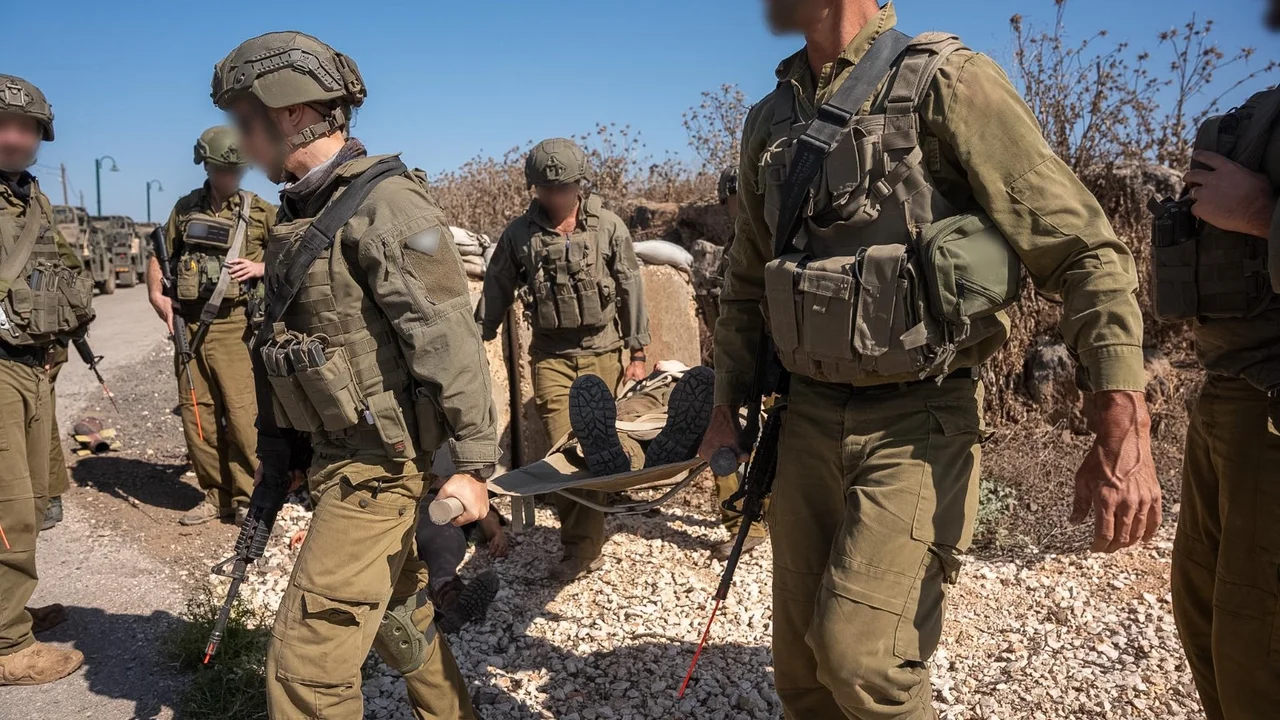
For the first time since October 7, the Bedouin Reconnaissance Battalion (585) has begun intensive six-week field training. The IDF is working to restore the unit's image following a period of disciplinary decline and a lack of permanent leadership.

Restoring the Battalion
The heavy heat of the firing ranges in Tze'elim is well known to the fighters of the Bedouin Reconnaissance Battalion (585), but this week, the scorching air in the Negev brought a feeling of a new beginning. For the first time since October 7, the Bedouin battalion, composed entirely of members of the community, has gone out for six weeks of intensive field training. The IDF is making a concerted effort to restore the battalion's image as part of a strategy to implement deep conceptual changes.
The battalion was effectively left without a permanent commander for seven months after the previous commander was wounded. During this period, operational discipline collapsed, culminating in a serious affair involving smuggling into the Gaza Strip, which led to the battalion's relocation. Now, the senior command is investing significant resources to lift the unit from the ground.
The new commander, Lieutenant Colonel Sh., is an officer with extensive combat experience from the Givati Brigade. Having served in the Gaza Strip and Judea and Samaria, where he was wounded in action, he brings a pragmatic approach and a firm command style to the unit.
Mental and Disciplinary Support
"When you are in a continuous cycle of activity, you don't get excited, but when you come home, it meets you," Lieutenant Colonel Sh. said regarding the psychological toll of the war. He emphasized that Bedouin fighters, who have been in continuous combat since October 7, require culturally adapted mental health support. A mental health officer (KABAN) who speaks the language has been assigned, and the training program now includes sessions for processing combat experiences.
Regarding discipline, the commander is taking an iron-fist approach. Personnel involved in misconduct have been dismissed, and cooperation with the Military Police and the Shin Bet has been strengthened. Lieutenant Colonel Sh. addressed recent allegations of sexual harassment, dismissing them as a biased presentation of isolated disciplinary issues that have since been resolved.
Social Challenges and Future Outlook
The battalion's challenges are deeply linked to the complex relationship between the Bedouin community and the state, including issues regarding housing and post-service employment. The command has launched a project to assist soldiers with civil matters, including land rights and job placement through the Histadrut. These efforts are already showing results, with 75 new recruits expected in the next cycle, a significant increase from previous years.
The soldiers themselves note that the training is vital for fostering a sense of belonging to the IDF. "There is a new reality here, attention to detail and order that haven't been here for years. It's no longer the same battalion," concludes Sergeant First Class A. from the commander's staff.