Apple Introduces Software Face ID Alternative for iPhone Duo in iOS 27.3
Apple introduces a temporary software-based facial recognition feature for the foldable iPhone Duo in iOS 27.3 beta, addressing user complaints regarding missing Face ID.
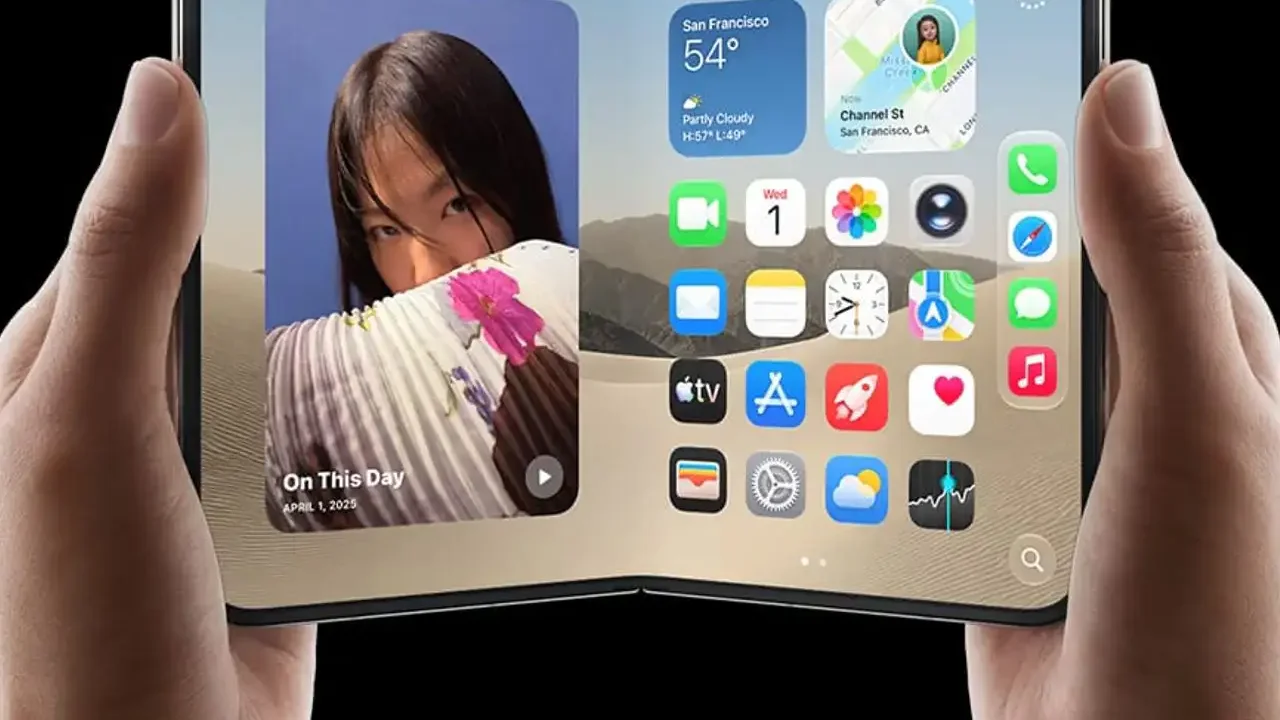
Apple has introduced a temporary software solution for the iPhone Duo, its priciest smartphone to date, following widespread user complaints regarding the absence of Face ID. Priced at $2,000 and starting at 9,249 shekels at iDigital, the foldable device initially dropped Apple's signature facial recognition system due to engineering constraints. The central hinge and multilayer display left no physical room for depth-sensing hardware, forcing the company to rely exclusively on a Touch ID fingerprint sensor that users criticized as slow and cumbersome in daily use.
New Software-Based Facial Recognition
Released in the second developer beta of iOS 27.3, a new feature allows users to unlock the device using facial recognition via the standard front-facing camera. The update is slated for a public rollout by mid-December. This temporary workaround marks a rare security compromise for the technology giant, addressing user friction while maintaining hardware limitations.
Key operational boundaries define the new feature:
-
External Screen Only: The capability functions solely when the device is closed, as the under-display camera on the inner screen lacks the necessary resolution.
-
Restricted Access: The system is limited to unlocking the lock screen. Authenticating Apple Pay, accessing stored passwords, or launching sensitive apps still requires Touch ID or a passcode.
-
Forty-Five Minute Limit: If the device remains unlocked by fingerprint or passcode for over 45 minutes, facial recognition is temporarily disabled.
-
Smart Home Technology Adaptation: The mechanism adapts person-identification protocols from Apple's HomeView smart home interface, secured within the Secure Exclave memory space of the A20 Pro processor rather than the dedicated Secure Enclave chip used by traditional Face ID.
-
Auto-Lock Feature: The update introduces a toggle that automatically locks the iPhone Duo the moment the device is closed.
Security Trade-Offs and Competitive Pressure
Apple explicitly warns users during setup that the new feature prioritizes convenience over the robust security of Touch ID or Face ID. Unlike the infrared 3D mapping of standard facial recognition, this system borrows identification algorithms from the HomeView interface, which uses camera and voice recognition for up to six household members. Initial testing indicates the system unlocks the device quickly and handles low-light conditions effectively, though it fails in complete darkness.
Apple's willingness to deploy a diluted authentication method highlights consumer demand for facial unlocking, particularly in light of rival offerings. Google's foldable Pixel devices provide high-security facial verification in the US market, while Samsung relies on basic facial recognition for its Galaxy foldables. Industry reports suggest Apple aims to integrate full TrueDepth sensors into the second-generation iPhone Duo next year, though tight schedules may delay the upgrade until the third generation in 2028.
Meanwhile, app developers are actively adapting interfaces for the new foldable form factor. Instagram head Adam Mosseri noted on Threads that designing applications for the iPhone Duo presents significant layout challenges, pointing out that navigation buttons overlap with Reels interaction elements when the device is closed.