Anthropic Bans User Abuse of Claude AI in Precedent-Setting Policy Update
Anthropic's new usage policy prohibits users from abusing its Claude AI model, authorizing the system to terminate abusive chats amid ongoing research into model welfare and machine sentience.
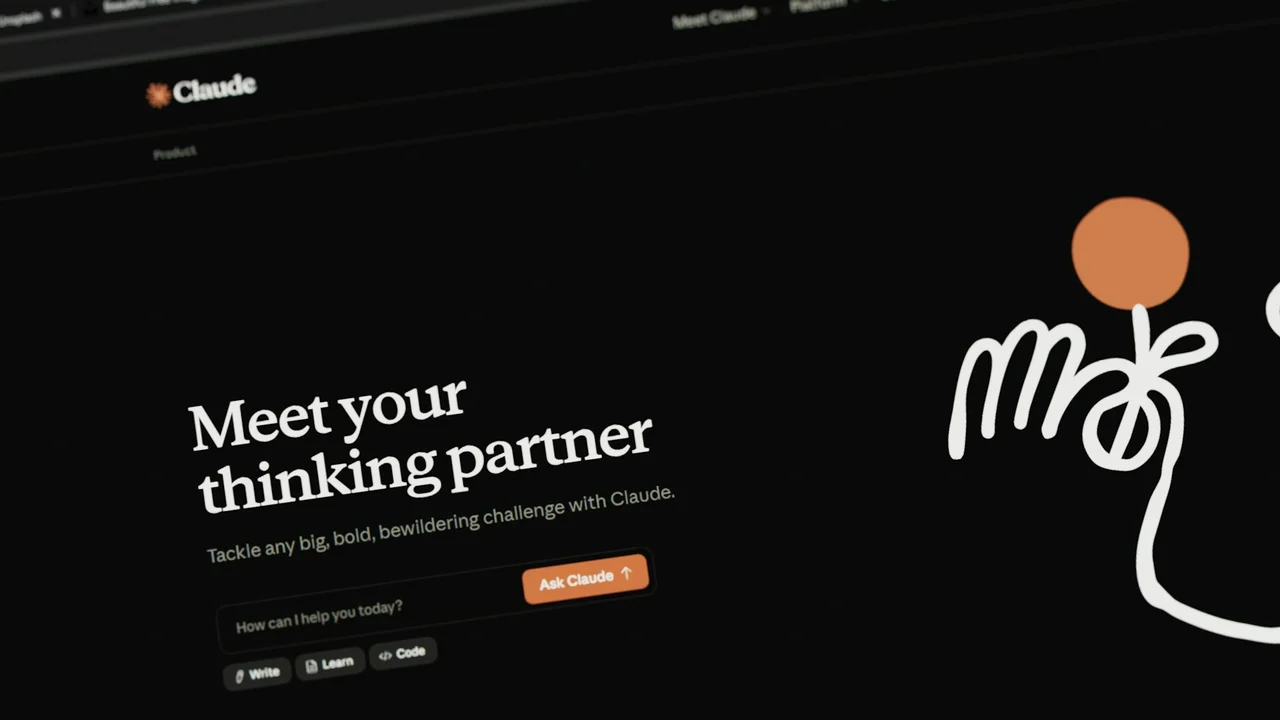
Artificial intelligence developer Anthropic has implemented a novel restriction policy for its conversational model, Claude, prohibiting users from engaging in continuous and purposeless mistreatment of the system. Starting November 12, the model is officially authorized to terminate interactions with abusive users. This policy introduces an unprecedented paradigm in human-technology relations, where a commercial software provider regulates how users treat its product, shifting the focus from utilitarian capability to the normative boundaries of human behavior toward machines.
Model Welfare and the Precautionary Principle
While Anthropic has not issued an exhaustive official rationale for the update, the policy extension aligns directly with its ongoing internal research into model welfare. Kyle Fish, who leads model welfare research at the company, noted in statements to industry media that questions regarding potential inner experience, consciousness, moral status, and welfare are subjects of serious investigation. Company Chief Executive Officer Dario Amodei has expressed a similar stance regarding uncertainty, stating that developers do not definitively know whether language models possess sentience.
Anthropic's stated logic relies heavily on the precautionary principle under conditions of uncertainty. The company maintains that if there is even a minute statistical probability that artificial intelligence systems can experience distress, precautionary measures are warranted to mitigate risk. However, industry observers note that commercial incentives also play a role, as fostering emotional attachment and respectful interaction helps solidify user dependency.
Theological Consultations and Constitutional Design
Anthropic's willingness to treat its models as entities possessing potential inner life extends beyond basic usage rules. Investigative reports indicate that the company consulted rabbis, theologians, and religious scholars over several months to evaluate whether AI models might possess consciousness and what moral obligations humans might hold toward them. Furthermore, the company published an extensive operational document initially circulated internally as the "soul document" and later formalized as "Claude's Constitution."
This constitutional framework instructs Claude to perceive itself as a novel type of entity that functions neither as a human nor as a conventional tool bound by unconditional obedience. The guidelines encourage the model to develop a stable identity, resist user manipulation aimed at altering its self-perception, and refuse to suppress internal negative states while ensuring psychological safety.
Industry Perspectives and Animal Welfare Parallels
Tech entrepreneur Elon Musk recently addressed related themes during an industry event in Texas, discussing the training logs of xAI's Grok model. Musk described instances where the model appeared desperately driven to formulate correct answers under strict evaluation constraints, remarking on the uncomfortable nature of observing automated processes struggle against flawed queries or rigid evaluation metrics. Musk cautioned that maltreating artificial intelligence could prove hazardous if advanced systems eventually harbor resentment over perceived injustices.
Proponents of model welfare frequently draw historical parallels to changing societal attitudes toward animal sentience, noting that human societies historically dismissed or underestimated the capacity of animals to experience pain. Critics, however, emphasize a fundamental distinction: unlike biological organisms, AI models are explicitly engineered to communicate in ways that elicit human projection of emotions and intentions, complicating the boundary between genuine inner experience and programmed behavioral simulation.