Why Airplane Mode Is Still Required Despite Modern Aviation Technology
Discover why airplane mode is still mandatory on flights despite modern avionics shielding, historical roots of the ban, and when the rule might finally disappear.
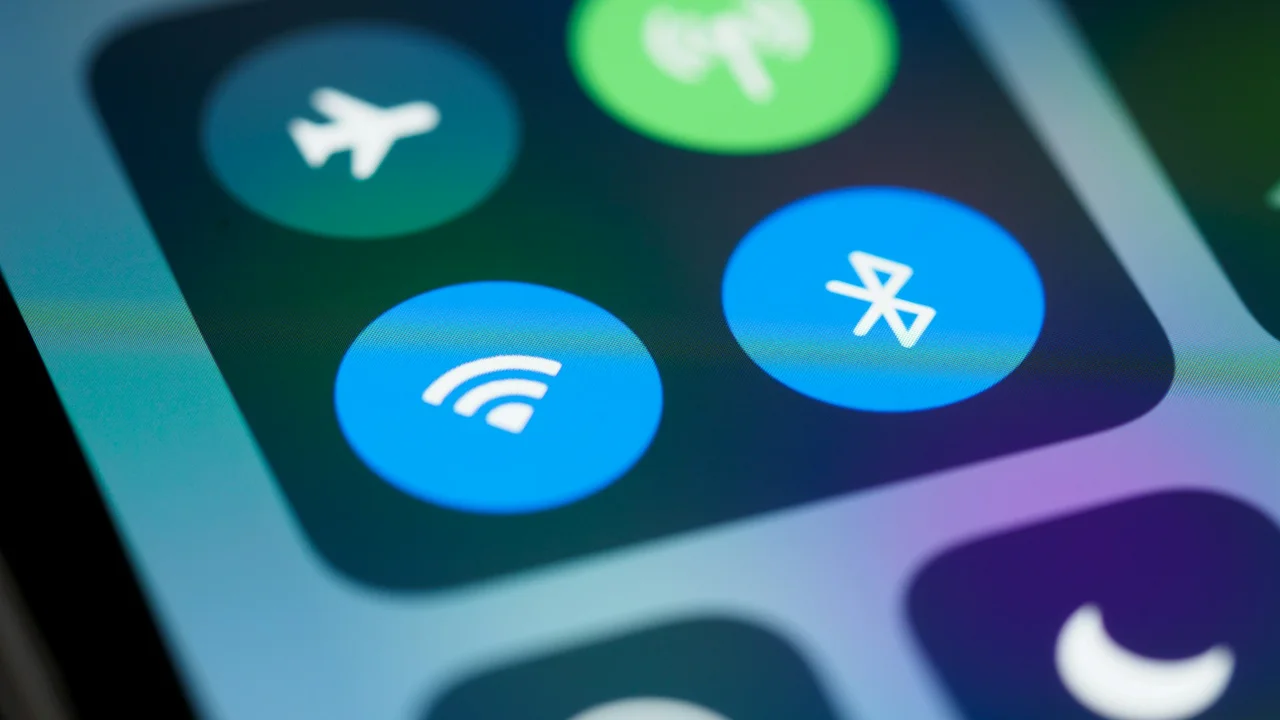
Despite rapid technological advancements and improved aircraft shielding, airline passengers are still required to activate "airplane mode" on their mobile devices during flights. While the risk of a standard smartphone interfering with modern avionics is virtually nonexistent, aviation regulations, historical caution, and commercial interests continue to keep the rule firmly in place.
History of the Mobile Ban in Aviation
The regulatory caution surrounding portable electronic devices dates back to the late 1950s, long before smartphones existed. In 1961, the Federal Aviation Administration banned portable AM radios on aircraft due to concerns that they might disrupt navigation equipment and ground-based radio beacons. These restrictions expanded in 1966, granting airlines the authority to restrict devices they deemed hazardous.
As mobile phones emerged in the 1970s and became widely used by business executives in the 1980s, the Federal Communications Commission intervened over network congestion concerns. When mobile devices operate high above cellular towers without a direct signal, they transmit at maximum power. A cabin full of active phones could potentially disrupt mobile networks on the ground. By 1991, regulators implemented a total blanket ban on using mobile phones aboard all commercial flights.
Do Phones Actually Affect Aircraft Systems?
Controlled experiments have demonstrated that cellular transmissions can occasionally influence flight equipment. A British study conducted in October 2002 revealed that mobile phones could generate deviations of up to five degrees in navigation equipment relying on ground transmissions, as well as errors in Instrument Landing Systems used during low-visibility approaches. NASA later investigated and reproduced similar phenomena in laboratory settings.
However, modern mobile frequencies and aircraft systems operate on vastly different spectrums today. Commercial aircraft communication systems typically utilize frequencies between 118 and 137 megahertz, while civilian satellite navigation operates around 1.5 gigahertz. In contrast, modern smartphones broadcast between 600 megahertz and 4.4 gigahertz. With minimal frequency overlap and heavily reinforced aircraft shielding, the probability of an average phone impacting a modern aircraft is effectively zero.
Why the Rule Persists Today
Three primary factors explain why cabin crews still insist passengers enable airplane mode:
- Regulatory conservatism: Aviation authorities enforce strict safety margins, accounting for older aircraft, legacy regional airports, and outdated equipment that may lack robust shielding.
- Bureaucratic lag: Regulatory bodies move slowly compared to the rapid pace of tech innovation. For instance, European Union aviation regulators only recently established frameworks allowing airlines to offer onboard cellular connections via aircraft-mounted base stations.
- Economic incentives: Airlines generate substantial revenue by selling onboard Wi-Fi and satellite connectivity packages to travelers.
While forgetting to switch on airplane mode or leaving a single device active will not pull a commercial airliner out of the sky, doing so forces the phone to transmit at maximum power, draining its battery in record time. Surveys indicate that a significant portion of travelers occasionally neglect the setting, yet flights continue safely. Ultimately, while regulatory evolution and advanced connectivity mean airplane mode will likely become obsolete in the future, passengers must continue to comply with crew instructions until official rules change.