airBaltic and Lufthansa Sign New Wet-Lease Deal Amid Deep Capacity Cuts
Latvian airline airBaltic and Lufthansa Group signed a new wet-lease agreement, drastically cutting capacity by over 70% amid financial restructuring and a Chapter 11 process in the USA.
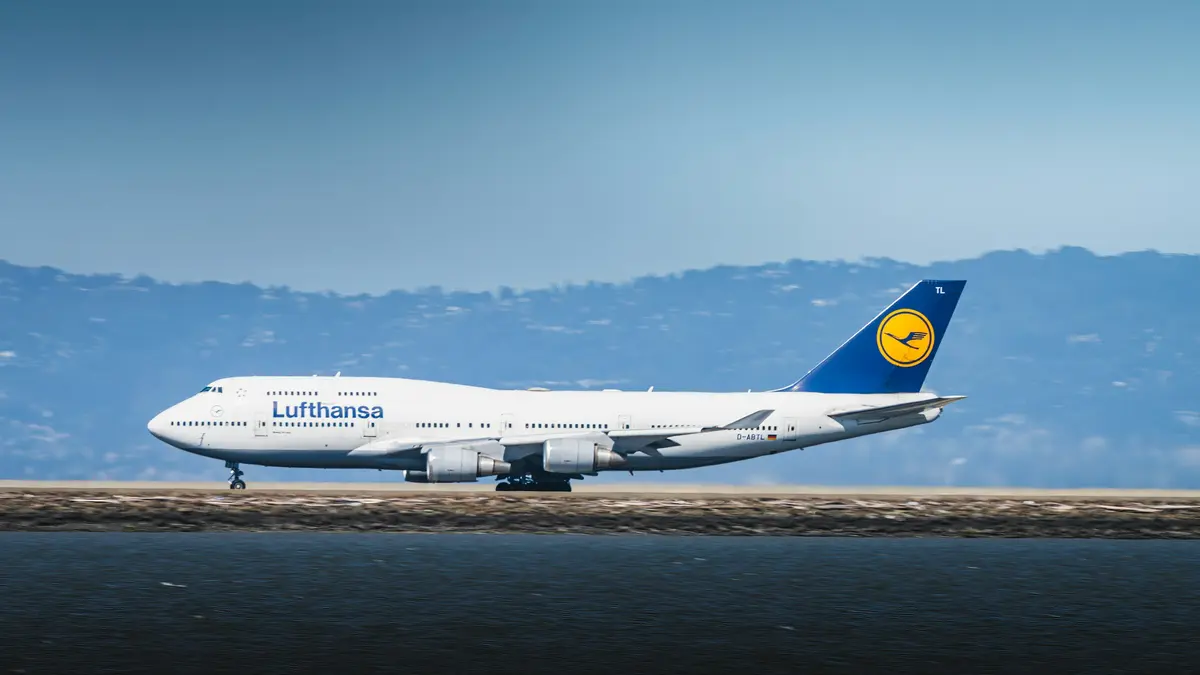
The cooperation between Latvian airline airBaltic and Lufthansa Group continues, though new economic realities have forced a sharp shift in strategy. The two companies have signed a new long-term wet-lease agreement under which airBaltic will continue to supply the German group with Airbus A220-300 aircraft alongside complete flight crews and maintenance services. However, the scope of joint operations has shrunk dramatically compared to previous contracts.
Over 70% Cut in Summer Capacity
Under the terms of the updated contract, airBaltic will provide Lufthansa with up to six aircraft only during the summer season and four aircraft during the winter season. The gap with the previous agreement, signed just in September 2024, reflects a fundamental change in activity scale: that previous arrangement involved operating up to 21 A220 aircraft for Lufthansa during peak summer months and five in winter. This marks a reduction of more than 70% in the number of aircraft allocated to the European group during peak periods.
The primary reason for the shrinking operations is not a drop in demand from Lufthansa, but rather airBaltic's precarious financial standing. Over the past year, the company has fallen into heavy deficits and severe liquidity distress, casting serious doubt on its stability and threatening to push it toward bankruptcy and operational collapse.
To address the crisis and protect itself from creditors, the Latvian carrier entered a financial restructuring process under Chapter 11 protection in the USA. The procedure is designed to allow the company to stop the financial bleeding, restructure obligations, and secure recovery sources.
Rescue Plan and Fleet Reduction
As part of the rescue program, the airline secured a financing commitment of 350 million euros, alongside a demanding efficiency plan. This program mandates a reduction in operational scale, sharp cuts to operating expenses, and fleet sizing adjustments: while airBaltic previously pursued aggressive expansion, its updated target now stands at a streamlined fleet of just 36 aircraft by 2027.
Despite the severe crisis and reduced operations, the continued partnership underscores the importance of airBaltic to Lufthansa, which relies on fuel-efficient, medium-capacity aircraft to bolster its European routes. The relationship between the parties, which began back in 2019, goes beyond a standard supplier-client agreement: Lufthansa Group holds a 10% stake in airBaltic, while the primary controlling shareholder remains the government of Latvia, holding 88.37% of the shares and closely involved in national recovery efforts.
Alongside the Lufthansa agreement, airBaltic continues to provide wet-lease services to other carriers, though also on a measured scale tailored to its limited fleet. The company will continue to operate four aircraft for Air Serbia during the summer season and two during winter. For the Latvian carrier, third-party leasing will remain a critical revenue anchor, though grandiose growth ambitions have given way to a fight for survival and stabilization.