Advanced AI WhatsApp Phishing Campaign Targets Israeli Users With Personal Scams
Cybersecurity experts warn of sophisticated AI-driven WhatsApp scams targeting Israeli users with personalized messages from acquaintances to steal credentials and hijack accounts.
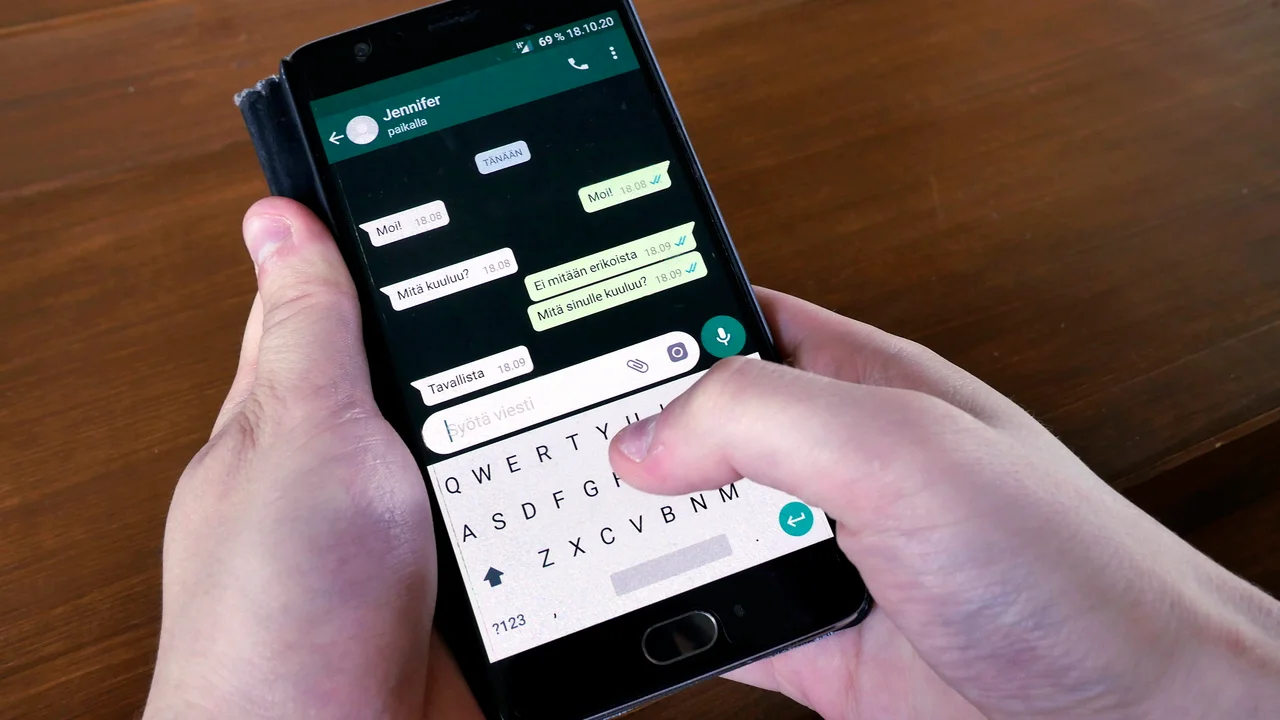
Cybersecurity experts warn that malicious threat actors are deploying highly sophisticated artificial intelligence tools to execute personalized WhatsApp phishing campaigns targeting Israeli users. While consumers have grown accustomed to generic fraudulent messages, recent attacks leverage precise personal data, including the target's first name and phone number, to build immediate trust and manipulate recipients into handing over sensitive credentials.
Anatomy of AI-Driven WhatsApp Phishing
Recent attacks feature personalized messages appearing to originate from trusted acquaintances. A typical fraudulent text reads: "[First Name], wonderful morning! Could you spare a moment to vote for Maya? She is the daughter of a dear friend of mine, and the grand prize is funding for her studies—every vote truly matters. Thanks!". The attached link directs users to a fraudulent website featuring images of a young girl where victims are prompted to cast a vote. Although authorities have already taken down the malicious domain, the incident underscores a dramatic leap in cybercriminal methodology.
Gil Messing, Chief of Staff at Check Point Software Technologies, detailed the mechanics behind the evolving threat landscape in statements to the press. "The new generation of scams takes everything we knew about consumer fraud several steps further," Messing explained. "An enormous stream of data reaches attackers through various channels, unprecedentedly leveraged by artificial intelligence capabilities to generate scams with unprecedented levels of forgery and sophistication."
Messing noted that these campaigns rely on prior knowledge of the victim's mobile number, personal identity, and social network. While the fraudulent website appeared polished and legitimate, it contained hidden elements designed to harvest personal information entered by unsuspecting users. Although general public awareness regarding phishing remains high, attackers bypass these defenses by exploiting established communication channels and tailoring the context to fit the specific recipient. Unlike drive-by download attacks where merely clicking a link injects malware, credential theft in these incidents typically occurs only when the user actively inputs names, email addresses, or credit card details.
Official Warnings and Defensive Measures
Earlier in November, the Israel National Cyber Directorate issued a nationwide alert regarding a parallel wave of fraudulent messages. Those scams solicited votes for a talented ballet dancer in a fictional contest named Dance Awards, directing users to external portals demanding a phone number and subsequent WhatsApp verification code confirmation.
The Israel National Cyber Directorate emphasized that entering a verification code grants threat actors complete access to the victim's messaging application, enabling them to propagate malicious messages to entire contact lists. Consequently, even messages received from known acquaintances can be part of an automated trap.
To safeguard against account takeover and data theft, cybersecurity authorities recommend observing several key defensive protocols:
- Never connect or link a messaging account to external platforms for voting purposes, and avoid entering verification codes or scanning QR codes on unfamiliar websites.
- Verify unusual requests by contacting the sender through an independent communication channel rather than replying directly via the same chat thread.
- Inspect suspicious links using official verification tools such as the Israel National Cyber Directorate's "Click Check" service available at portal.cyber.gov.il/clickcheck.
- Review linked sessions immediately by navigating to Linked Devices within application settings, disconnecting unrecognized sessions, and alerting personal contacts if a breach occurs.
Individuals who suspect their accounts have been compromised or require additional assistance can contact the Israel National Cyber Directorate emergency hotline by dialing 119.