Israeli Researchers Win Tel Aviv Innovation Prize for Ficus Scent Solution
Israeli researchers won a Tel Aviv innovation prize for developing a biological method to prevent sticky ficus fruit on sidewalks by using scent deception to trick pollinating wasps.
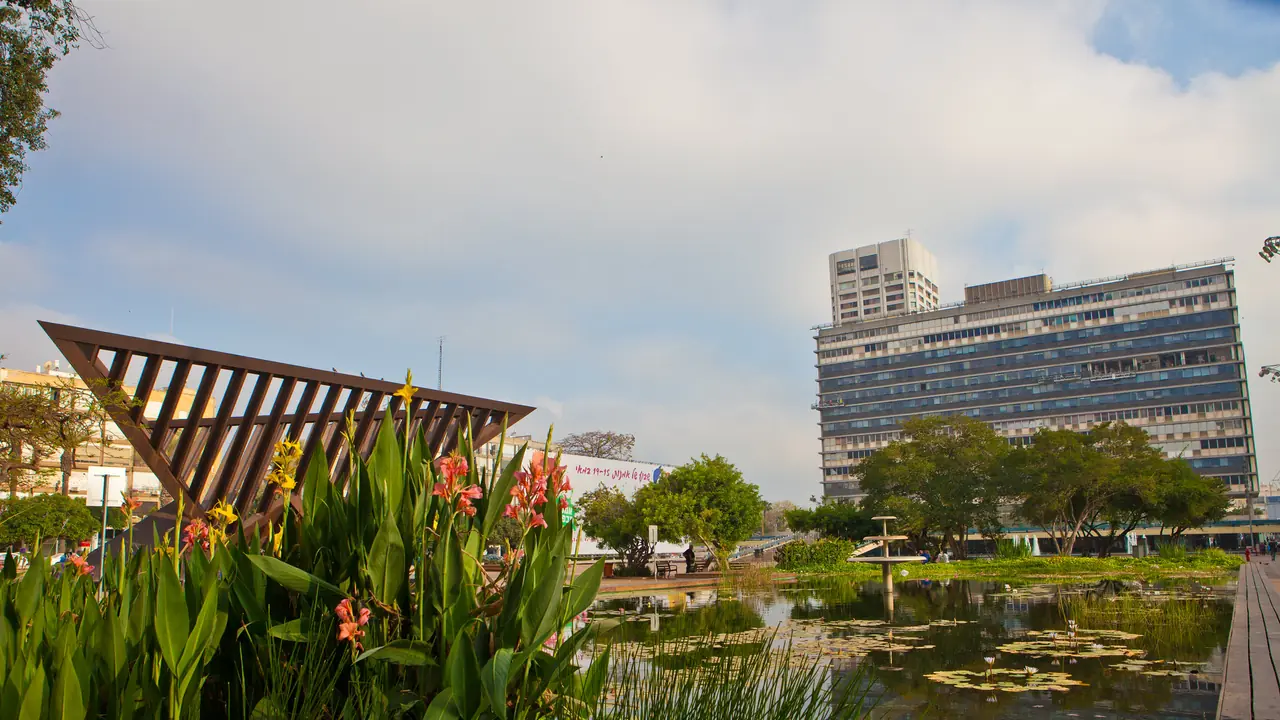
A multi-institutional research team has won first place in the Tel Aviv-Yafo Municipality innovation competition by proposing an innovative biological method to eliminate the persistent nuisance of sticky ficus fruit on city sidewalks.
Ficus trees, particularly the Indian laurel fig, line many boulevards in Tel Aviv and provide essential natural shade and heat mitigation in the dense urban environment. However, their falling fruits stick to footwear, stain vehicles, and create slippery pedestrian hazards for several months each year. Traditional remedies have relied on heavy pruning, chemical pesticides, or tree removal, all of which compromise urban greenery.
Disrupting Pollination via Olfactory Deception
To address the problem without harming the trees, the researchers from Tel-Hai College, MIGAL Galilee Research Institute, Northern R&D, and the Vulcani Institute focused on the pollination process. Ficus fruit, scientifically known as a syconium, is a closed structure containing hundreds of tiny flowers that require entry by a tiny pollinating wasp to mature and produce fruit.
Wasps locate these syconiums by detecting unique volatile chemical scents. Once pollination occurs, the fruit changes its chemical profile to signal to other wasps that fertilization is complete.
The research team proposes dispersing the natural scent of already-pollinated syconiums around urban trees to trick incoming wasps into believing no pollination opportunity exists. Concurrently, they plan to develop traps releasing attractive scents to divert the insects, thereby significantly reducing the volume of sticky fruit.
Proven Methodology and Upcoming Trials
Led by Dr. Liora Shaltiel-Harpaz, Dr. Muwafaq Ibdah, Yuval Cohen, and Rika Kadosh, the team builds on previous studies conducted in commercial fig orchards. In that research, scientists identified 91 volatile compounds emitted by figs, isolating 20 that changed concentration between fertilized and unfertilized fruit.
An experimental trial in a commercial orchard successfully reduced the fertilization rate from 86% in the control group to 54%—a 37% decline achieved with an efficacy matching chemical pesticides.
Following their victory in the municipal competition, the Tel Aviv-Yafo Municipality will fund applied research to isolate the specific volatile compounds of the urban ficus and develop a controlled-release delivery system. Field trials on city streets will test the environmental safety and effectiveness of the solution, with agricultural technology firm Rimi already expressing interest in the initiative.
"Instead of harming trees or using pesticides, we want to make the wasp think the syconium has already been pollinated," Dr. Liora Shaltiel-Harpaz said.
The researchers estimate that a viable commercial product could emerge by the end of the decade, potentially transforming urban environmental maintenance in Israel and worldwide by 2030.