Ahead of the Attorney General's response: Levin prepares the ground for implementing the DIU law
On Sunday, Attorney General Gali Baharav-Miara will submit her response to the Supreme Court regarding the DIU law. She is expected to support an interim injunction against the Ministry of Justice's efforts to paralyze the department's operations.
On Sunday, Attorney General Gali Baharav-Miara is expected to submit her response to the Supreme Court, supporting the demand for an interim injunction filed by the petitioners against the DIU (Department of Internal Investigations) law. Although the law is set to take effect in February 2027, Minister of Justice Yariv Levin and his associates have already begun actions on the ground to paralyze the work of the current department and deter investigators and prosecutors from performing their duties. Consequently, the Attorney General is expected to determine that the Supreme Court judges should issue an interim injunction to prevent these actions.
The law, which critics describe as a tool to intimidate investigators and prosecutors, introduces full politicization into the DIU, as its director will be chosen by the Minister of Justice through a committee mostly composed of the minister's appointees. The law could allow journalists to be summoned to interrogation rooms without the approval of the Attorney General and grants politicians the power to influence who is investigated, with the goal of deterring criminal investigations against the government.
Last Monday, as reported on Channel 13 News, the Director General of the Ministry of Justice, Itamar Donenfeld, convened a meeting with professional staff regarding the DIU law. During the discussion, Donenfeld instructed the staff to begin preparing for the implementation now and to update him on developments every month.
This move has drawn criticism within the judicial system. Sources claim that Donenfeld is seeking to signal that the current DIU is no longer relevant, attempting to weaken the unit and cease providing them with services even before the new law enters into force. Donenfeld refused to comment.
About two weeks ago, it was reported that the DIU is in a state of unprecedented paralysis. According to sources in the judicial system, the Ministry of Justice is actively blocking the department's access to critical technologies required for cracking mobile phones — tools essential for conducting criminal investigations.
"The DIU uses Cellebrite to crack phones, but the Ministry of Justice is not allowing the license to be renewed, allegedly to rule out the use of spyware," sources noted.
On the ground, this paralysis leads to a complete freeze: investigators cannot open new cases, and existing investigations have stopped completely. Among the cases that remain stuck without progress is a sensitive investigation concerning the head of Lahav 433, which is currently awaiting a response.
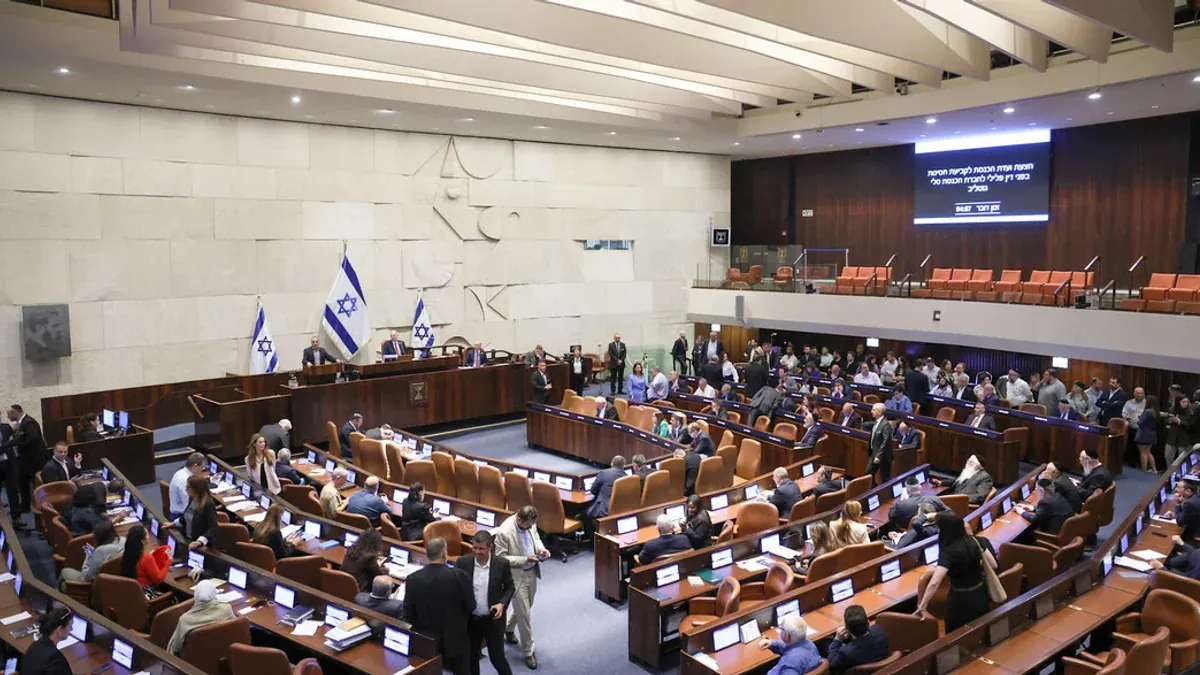
A source in the organization claimed that this is a deliberate policy on the part of Minister of Justice Yariv Levin and Director General Itamar Donenfeld, aimed at "drying out" the department until it is removed from the State Attorney's Office. This move constitutes one of the focal points of the judicial reform, which was approved by the Knesset last month.