Incoming Agriculture Minister Faces Food Security and Trade Challenges
Israel's incoming Minister of Agriculture faces major challenges, including establishing a national food security plan, lowering production costs, and navigating potential trade boycotts that threaten food prices and local farming.
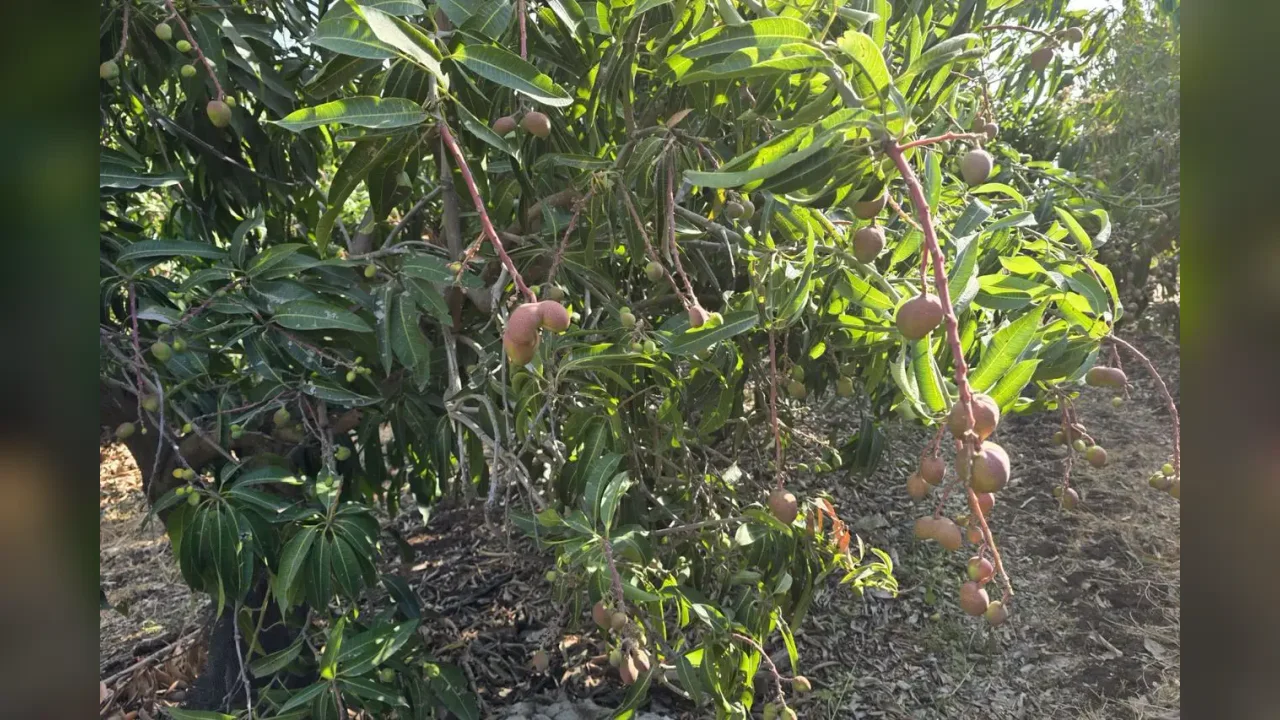
The incoming Minister of Agriculture faces a complex web of economic, strategic, and geopolitical challenges that directly impact food security and the high cost of living in Israel. Imported agricultural produce, whether fresh like vegetables, fruits, eggs, meat, and fish, or processed items, has long been a contentious issue for local farmers. Every imported item carries the risk of gradually displacing domestic production and threatening the viability of local agriculture.
While certain goods are imported year-round to balance consumption shortfalls, others require special seasonal authorizations triggered by widespread crop diseases, pest outbreaks, or extreme weather events such as hail and intense heat. Although imports are essential during shortages, they frequently cause severe financial losses for local growers. Experts emphasize that addressing these vulnerabilities requires a comprehensive strategy that prioritizes domestic production while maintaining fair trade mechanisms.
Formulating a National Food Security Strategy
A primary task for the incoming minister is implementing a multi-year national food security plan designed to determine which crops must be grown domestically, such as tomatoes and potatoes, and which can rely on import supplements. Former Minister of Agriculture and Knesset Member Avi Dichter pursued strategic planning during his tenure, halting a previous reform framework championed by Oded Forer that had relied on lowering tariffs and eroding domestic production.
Agricultural leaders stress that strengthening local farming requires lowering input costs, expanding water quotas, easing regulatory burdens, and increasing the number of foreign workers. Meir Tzur, former secretary-general of the Moshavim Movement and head of the Tamar Regional Council, praised Dichter's efforts regarding water allocations and foreign labor while calling for expanded direct support for farmers in the Negev and the Galilee.
"We need a national multi-year food security plan that forms the basis for deciding what we primarily grow in Israel alongside import supplements, and which crops we do not insist on cultivating domestically."