Why Aging Changes Digestion: The Science Behind Age-Targeted Foods
The international Eat4Age project is developing age-specific foods to counter age-related digestive slowdowns, protein absorption challenges, and microbiome shifts.
The Science of Aging and Digestion
When a midday plate of hummus induces sudden fatigue, the digestive system is signaling the natural passage of time. Food processing changes drastically across different life stages, prompting international initiatives such as the Eat4Age project to track these shifts and engineer targeted dietary solutions. As people age, intestinal motility slows down, extending transit times through the digestive tract. These physiological processes begin during menopause in women, around the age of fifty for men, and experience a significant decline between the ages of sixty and seventy, according to Prof. Uri Lesmes from the Faculty of Biotechnology and Food Engineering at the Technion, who participates in the European Union-funded project.
Changes extend far beyond mere digestion speed. Enzyme arrays shift over time, meaning younger and older adults process different proteins with varying efficiency. If a young person and an older adult consume the exact same steak, the older body may struggle to break it down properly, leaving the food lingering uncomfortably for hours without providing nutritional value. Nutritional science is actively working to establish precise quality evaluation methods for proteins so consumers do not have to wait decades to determine the efficacy of a specialized product.
Nutritional Challenges and Hidden Health
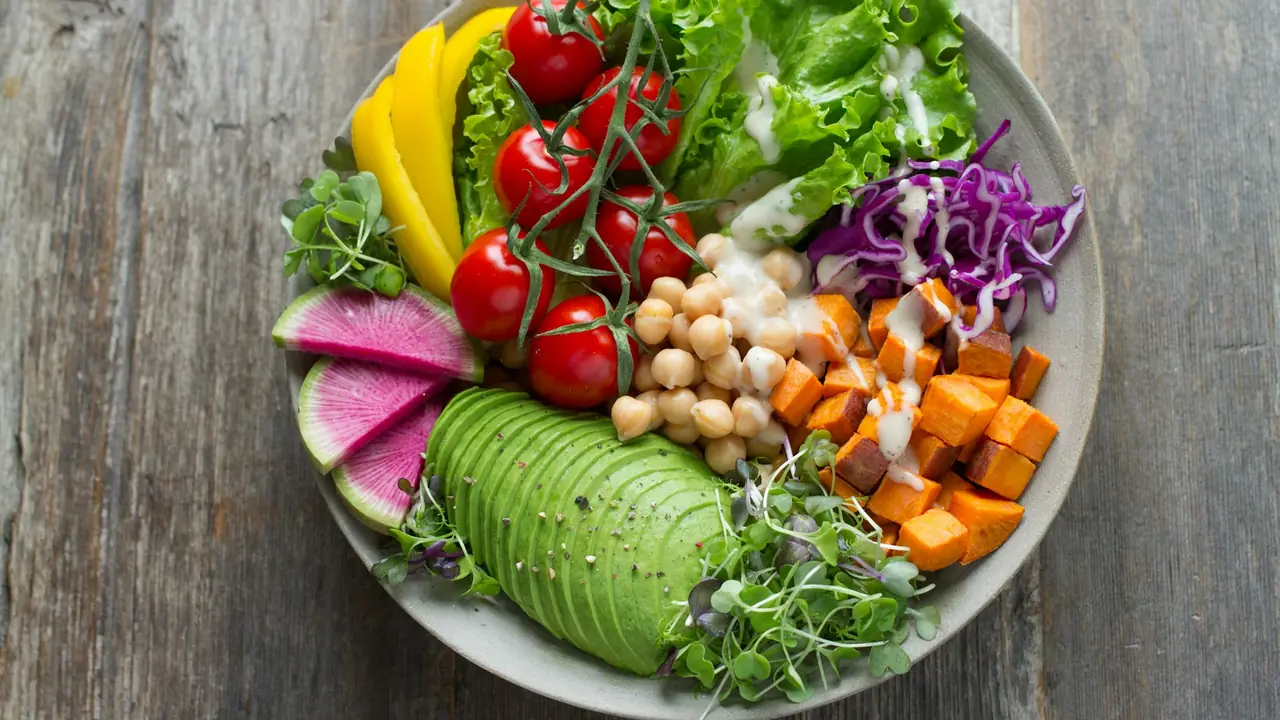
Older adults frequently contend with constipation, driven by diminished intestinal motility, specific medications, lower physical activity, and challenges in maintaining adequate fluid intake. While dietary fiber remains vital for nourishing beneficial gut bacteria, certain fibers require abundant water consumption, making seniors particularly sensitive. Legumes like chickpeas offer exceptional nutritional benefits but demand proper preparation, including thorough soaking and increased water intake, which become non-negotiable with age.
As individuals transition from the third to the fourth age, nutritional hurdles intensify. Seniors often experience reduced appetites, chewing difficulties, and shifting taste perceptions, which can lead to malnutrition and diminished muscle mass. To counter this, Lesmes's research group champions a "Health by Stealth" approach, encouraging food manufacturers to integrate healthy components into culturally familiar and accessible foods. For example, the team engineered cereal pillows packed with dietary fiber and antioxidants, featuring a tahini-based filling that supplies necessary calories for older consumers. Other project groups developed softened meats and protein-enriched cheeses that remain easy to digest without reducing food to unappealing purees.
Microbiome Diversity and Practical Advice
Aging also alters the composition of gut bacteria. Prof. Ilan Youngster, director of the Pediatric Infectious Diseases Unit and the Microbiome Research Center at Shamir Medical Center, notes that between the ages of sixty-five and seventy, the gut microbiome reverts to a composition resembling that of infants. This shift may explain why certain illnesses are more prevalent among infants and seniors than among healthy prime-age adults. Maintaining a functional microbiome requires expanding dietary variety and enriching menus with fermented and pickled foods. Clinical research on a green Mediterranean diet supplemented with Mankai duckweed demonstrated that participants achieved greater gut bacteria diversity compared to standard Mediterranean diet controls. Furthermore, regular aerobic exercise promotes specific beneficial bacteria that feed on lactic acid produced during physical exertion, which in turn supports improved sleep quality.