From Eretz Nehederet to the Desert: Screenwriter Adar Mirom Debuts Novel
Screenwriter Adar Mirom releases his debut novel Limbo, exploring desert escapism, tech burnout, and the shifting boundaries of modern Israeli satire and literature.
After two decades of writing for television, Israeli screenwriter and satirist Adar Mirom is stepping out from behind the scenes with his debut novel, Limbo, published by Modan. Best known for his work on hit shows like Eretz Nehederet and Buba shel Layla, Mirom reflects on the challenges of putting his own name on a cover rather than channeling lines through actors or institutions.
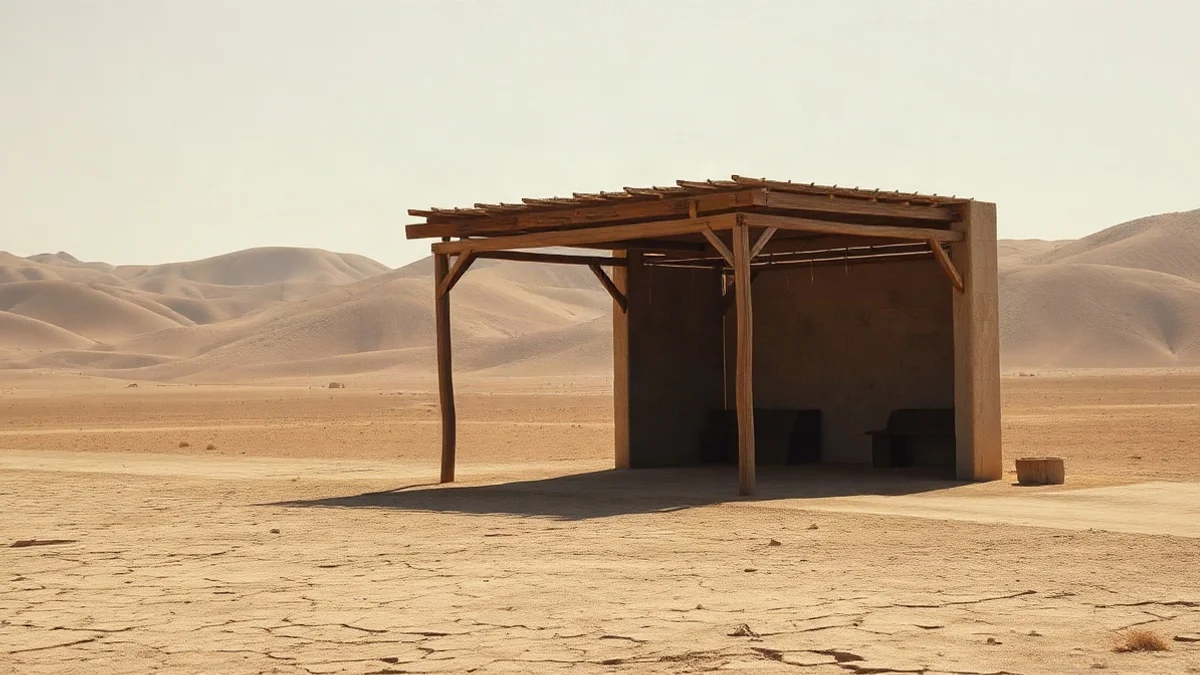
Limbo tells the story of Yehuda, a tech worker in his thirties who abandons his apartment in Tel Aviv to build an independent community in the southern desert. Mirom began writing the manuscript during the 2011 Rothschild social protests, initially seeking to capture a Kafkaic absurdity. Today, he feels the themes of bureaucratic exhaustion, constant alerts, and the overwhelming cost of living resonate more than ever for Israelis seeking a hard reset.
Breaking the Nice-Guy Mold
Reflecting on his protagonist, Mirom notes that Yehuda struggles with the necessity of abandoning his polite nature to lead. Describing himself as a recovering nice guy, Mirom observes that society rarely rewards compliance, forcing individuals to embrace a degree of toughness to be taken seriously. This tension between gentle internal instincts and harsh external realities forms the core of the narrative.
Mirom also discusses the realities of literary production in Israel, pointing out that fiction often functions as a luxury for those cushioned against financial instability. Sharing a life with his partner, writer and commentator Maggie Ozeri, Mirom acknowledges the delicate balance required to support a loved one managing bipolar disorder. He emphasizes that their relationship demands active communication and constant vigilance rather than passive drifting.
The Limits of Modern Satire
Having spent years shaping political humor on programs like Gav HaUma, Mirom has grown critical of contemporary satire's effectiveness. He argues that mocking prominent figures like Itamar Ben-Gvir often normalizes them rather than undermining their influence, turning pointed critique into harmless entertainment. By shifting toward long-form fiction and dramatic television like Tezeret Bayit, Mirom seeks more nuanced avenues for social commentary.
Despite the exposure that comes with public writing and his partner's prominent presence on X (Twitter), Mirom remains committed to creative independence. Limbo offers an open-ended conclusion, reflecting his belief that life-altering journeys rarely resolve in radical transformations, but rather in subtle, hard-won shifts in perspective.