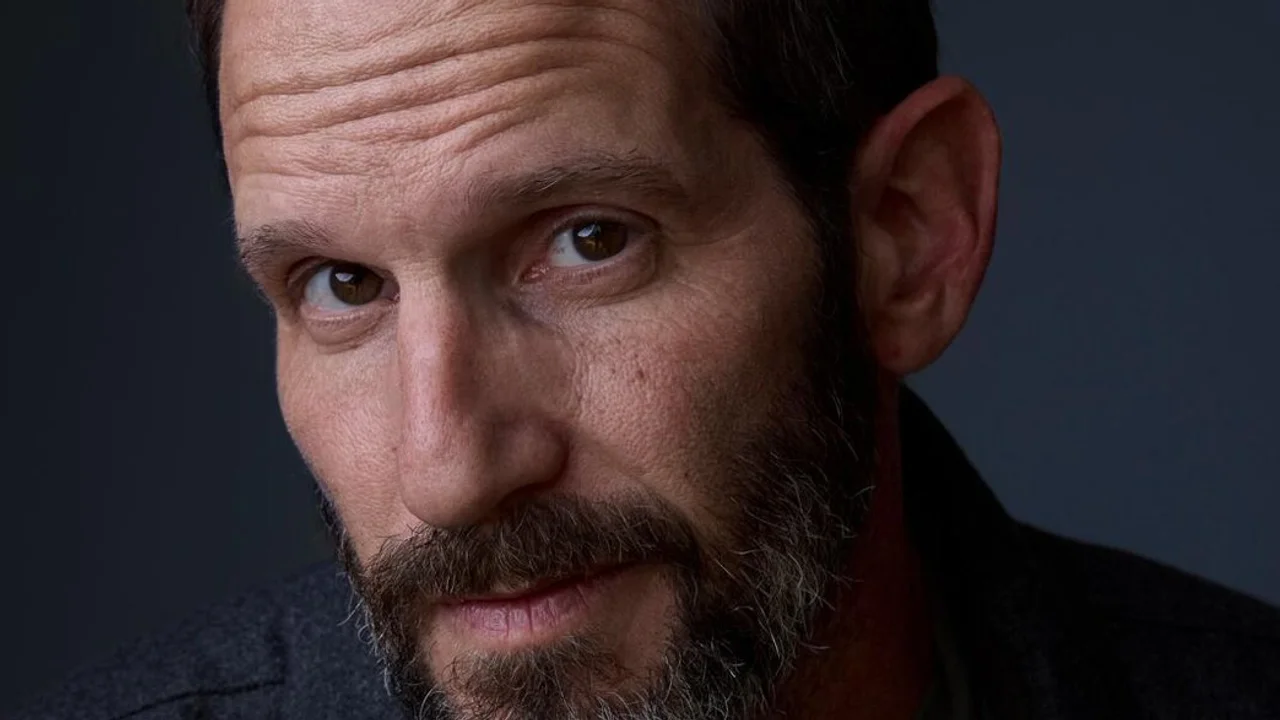
Ehud Banai Explores Time and Transcendence in 'The Eighth Sound'
Israeli singer-songwriter Ehud Banai reflects on time, spirituality, and mortality in his new album, 'The Eighth Sound,' exploring the delicate boundary between transcendent consciousness and everyday reality.

As Ehud Banai approaches his 74th tour around the sun during Passover, the celebrated Israeli singer-songwriter has released a new album titled "The Eighth Sound." Rather than merely marking his age, the title draws inspiration from Rabbi Israel Taub, the first Rebbe of Modzitz, who viewed the "eighth sound" as an elusive melody transcending the seven fundamental musical notes and the seven days of the week. Banai describes this state as an expanded consciousness where human perception stretches beyond ordinary time and space, echoing Rabbi Abraham ibn Ezra's biblical commentary on a supreme song.
Throughout a career that burst forth in the 1980s, Banai has continually bridged reality and imagination, the sacred and the profane, the physical and the metaphysical. From busking at desolate European railway stations to selling posters in Dutch villages, his lyrics map borderless journeys. Whether invoking the memory of his father's old home on HaAgas Street, conversing with Beat poet Allen Ginsberg, or channeling the tragic visions of Francisco Goya, Banai's songs cross communal and artistic boundaries with remarkable ease.
The Ultrasound Behind the Melody
One of the standout tracks on the new album, "Wrapped in Mercy," holds a surprising origin story tied to a different title and a 46-year-old memory. Originally dubbed "Ultrasound," the song was conceived when a young Banai, then working odd jobs clearing weeds outside a synagogue courtyard, heard a lecture by Rabbi Avraham Haphuta. The rabbi discussed a Talmudic legend about an unborn infant who perceives the world from end to end before a visiting angel strikes its mouth, causing it to forget its divine knowledge and cry out upon entering harsh earthly reality.
Years later, during his wife's first pregnancy, Banai attended an ultrasound examination. The visual data on the monitor, combined with the rabbi's ancient lecture, inspired the poetic lyrics of a newborn's transition into worldly existence. Banai reflects on the delicate balance between transcendent spiritual awareness and the grounding demands of daily life, reminding listeners that while humanity dreams of utopian absolutes, we ultimately navigate the tangible ground beneath our feet.
Navigating Time and Eternity
Banai's lyrical landscape frequently explores the tension between mortal transience and eternal longings. In tracks like "After Our Death at the Holon Cemetery," set to the words of poet Pinhas Sde, he contemplates the afterlife with stark honesty, questioning where love goes when physical existence ceases. Similarly, his song "Hour of Mystery" introduces larger-than-life figures like Yitzhak Shan Zahav, a legendary operative reportedly spotted simultaneously in Texas, Bat Yam, and Haifa, defying the laws of gravity and time.
Drawing further from Rabbinic literature, Banai examines the story of Honi the Circle-Maker, who slept for seventy years and woke up isolated in a changed world. Banai interprets Honi's deep slumber as an aspiration to break free from temporal constraints and sing a new song of redemption prematurely. Yet, such mystical journeys remain fleeting; humanity must return to the present moment to survive and meaningfully experience daily life.
Embracing the Present Moment
Ultimately, Banai's music confronts the illusion of rigid boundaries and the passage of time. In his recent track "Independence Day Eve," angry activists shout that his time has passed, yet audiences continue to yearn for his soulful melodies. Banai remains an essential voice in Israeli culture, reminding us that even as temporary guests in this world, we are fully immersed in the celebration of life right now.